U.S.-Iran Talks Open in Switzerland; Nuclear Issue Off
The 30-Second Skim7 points
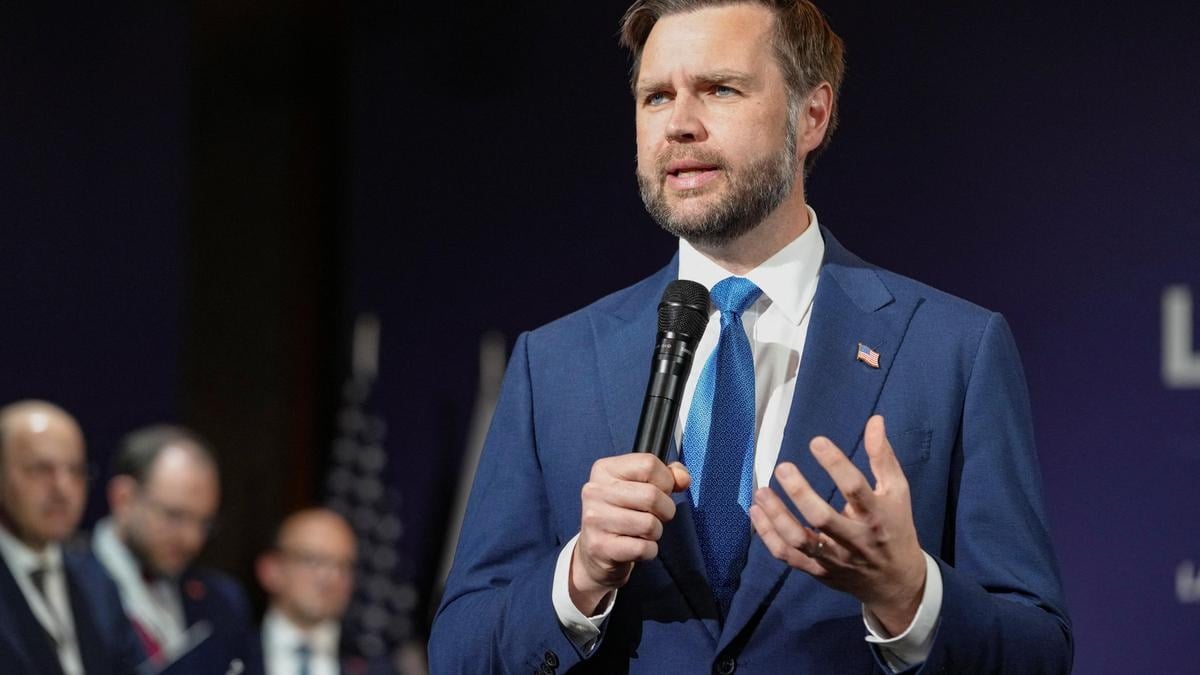
- What happenedU.S. Vice-President J.D. Vance opened the first round of U.S.-Iran negotiations in Switzerland on June 21, 2026, calling the 80-minute session "historic," though Iran's state broadcaster reported nuclear issues were not discussed and the talks remain shadowed by renewed Lebanon fighting and Iran's closure of the Strait of Hormuz.
- Key facts & numbersJ.D. Vance, flanked by Jared Kushner and Steve Witkoff at Switzerland's Burgenstock resort, called the 80-minute first round of U.S.-Iran talks "a historic meeting" and asked whether the two sides "can turn over a new leaf," even as renewed Lebanon fighting and lack of consensus rendered a permanent deal elusive. Iran's state broadcaster reported that no nuclear negotiations took place during Sunday's session, with the focus limited to implementing the June memorandum of understanding and the Lebanon situation; President Masoud Pezeshkian said Tehran would not relinquish uranium enrichment but would state in writing it has no intention of building a bomb. Benjamin Netanyahu reiterated that Israeli troops would remain in south Lebanon "as long as necessary" and repeated his vow not to allow Iran to acquire nuclear weapons, while military chief Eyal Zamir said Hezbollah had suffered a "severe and significant blow."
- What happens nextBuried lede: the 'historic' 80-minute meeting didn't even touch nuclear talks. The fix-the-relationship track is running while the actual flashpoints keep exploding.
- J.D. Vance, flanked by Jared Kushner and Steve Witkoff at Switzerland's Burgenstock resort, called the 80-minute first round of U.S.-Iran talks "a historic meeting" and asked whether the two sides "can turn over a new leaf," even as renewed Lebanon fighting and lack of consensus rendered a permanent deal elusive.
- Iran's state broadcaster reported that no nuclear negotiations took place during Sunday's session, with the focus limited to implementing the June memorandum of understanding and the Lebanon situation; President Masoud Pezeshkian said Tehran would not relinquish uranium enrichment but would state in writing it has no intention of building a bomb.
- Benjamin Netanyahu reiterated that Israeli troops would remain in south Lebanon "as long as necessary" and repeated his vow not to allow Iran to acquire nuclear weapons, while military chief Eyal Zamir said Hezbollah had suffered a "severe and significant blow."
- Donald Trump threatened to strike Iran if it did not "immediately stop their highly paid PROXIES in Lebanon from causing trouble," underscoring the gap between the diplomatic track in Switzerland and Trump's pressure posture.
Why It Matters
The omission of Iran's nuclear program from the first 80-minute round is a significant procedural signal: the issue both Netanyahu and Trump publicly insist is non-negotiable went undiscussed, even as Iran re-closed the Strait of Hormuz — a chokepoint for global oil and gas — in retaliation for Israeli strikes in Lebanon where the death toll now exceeds 4,100. With a 60-day window now triggered and mediators from Pakistan and Qatar in the room, the next round will test whether the Lebanon front or the nuclear file dominates.
Sources Cited
Related Coverage
Ask SkimNews
The day’s news in one short email, every morning.
Free. One email a day. Unsubscribe in one click.