What the New China-North Korea Bridge Really Means
The 30-Second Skim
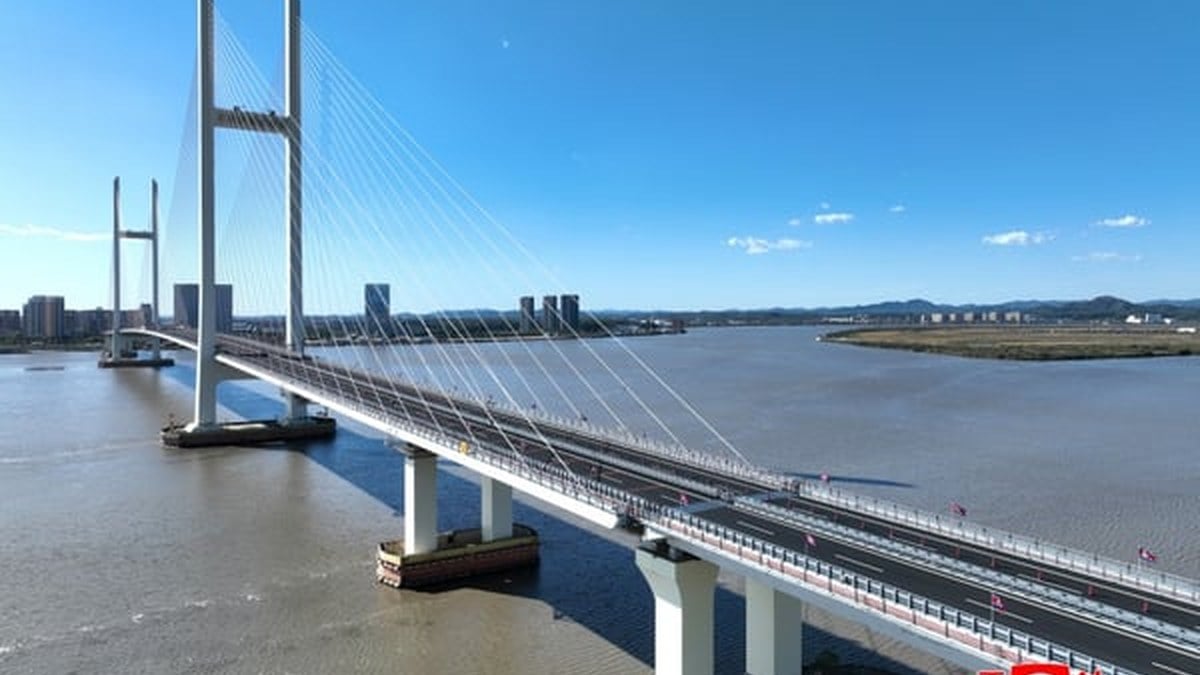
- What happened: After sitting finished since 2014, the New Yalu River Bridge linking China's Dandong to North Korea's Sinuiju opened to cargo traffic on October 15, twelve years late, in a move that could expand bilateral trade and deepen Pyongyang's economic reliance on Beijing.
- Key facts & numbers: The New Yalu River Bridge opened to cargo trucks on October 15 after construction finished in 2014, with the article blaming the 12-year delay on Pyongyang's failure to build connecting roads and customs facilities, bilateral frictions, sanctions, and the COVID-19 border closure. North Korea has reportedly pitched Chinese businesspeople on developing roughly 40 square kilometers of southern Sinuiju into a logistics, processing, and trade hub, though UN sanctions on industrial equipment imports, processed-goods exports, and joint ventures will constrain the project. State-run stores, grain shops, and distribution agencies in North Korea are likely to capture new import flows first, with the article arguing the traditional model of private merchants supplying general markets may give way to one where the state manages import and allocation.
- What happens next: The bridge sat finished for a decade because Pyongyang wouldn't build the road on its side. Now it's open — and state stores, not markets, are set to win.
- The New Yalu River Bridge opened to cargo trucks on October 15 after construction finished in 2014, with the article blaming the 12-year delay on Pyongyang's failure to build connecting roads and customs facilities, bilateral frictions, sanctions, and the COVID-19 border closure.
- North Korea has reportedly pitched Chinese businesspeople on developing roughly 40 square kilometers of southern Sinuiju into a logistics, processing, and trade hub, though UN sanctions on industrial equipment imports, processed-goods exports, and joint ventures will constrain the project.
- State-run stores, grain shops, and distribution agencies in North Korea are likely to capture new import flows first, with the article arguing the traditional model of private merchants supplying general markets may give way to one where the state manages import and allocation.
- North Korea's "20×10" local-factory push could benefit from steadier Chinese raw material supplies, but greater reliance on Chinese inputs widens the gap between the regime's self-reliance rhetoric and its actual dependence on Beijing.
Why It Matters
After a 12-year wait, the Yalu Bridge becomes a working trade artery that could deliver cheaper Chinese goods and factory inputs to North Korean markets — but the article makes clear that state trading companies and distribution agencies, not private merchants, will likely capture most of the gains, while deepening Pyongyang's structural dependence on Beijing.
Sources Cited
- The Diplomat — What the New China-North Korea Bridge Really Means
Related Coverage
- New Yalu River Bridge officially opens after decade-long delayStraits Times Asia
- China Opens Yalu Bridge to North Korea After 12 YearsChannel News Asia
- New China-North Korea bridge to open on Oct 15: Chinese state mediaStraits Times Asia
- China-North Korea border bridge may do little to spur trade, experts sayAl Jazeera
Ask SkimNews