Xi Wants US Oil, Trump Agrees Hormuz Must Stay Open
The 30-Second Skim7 points
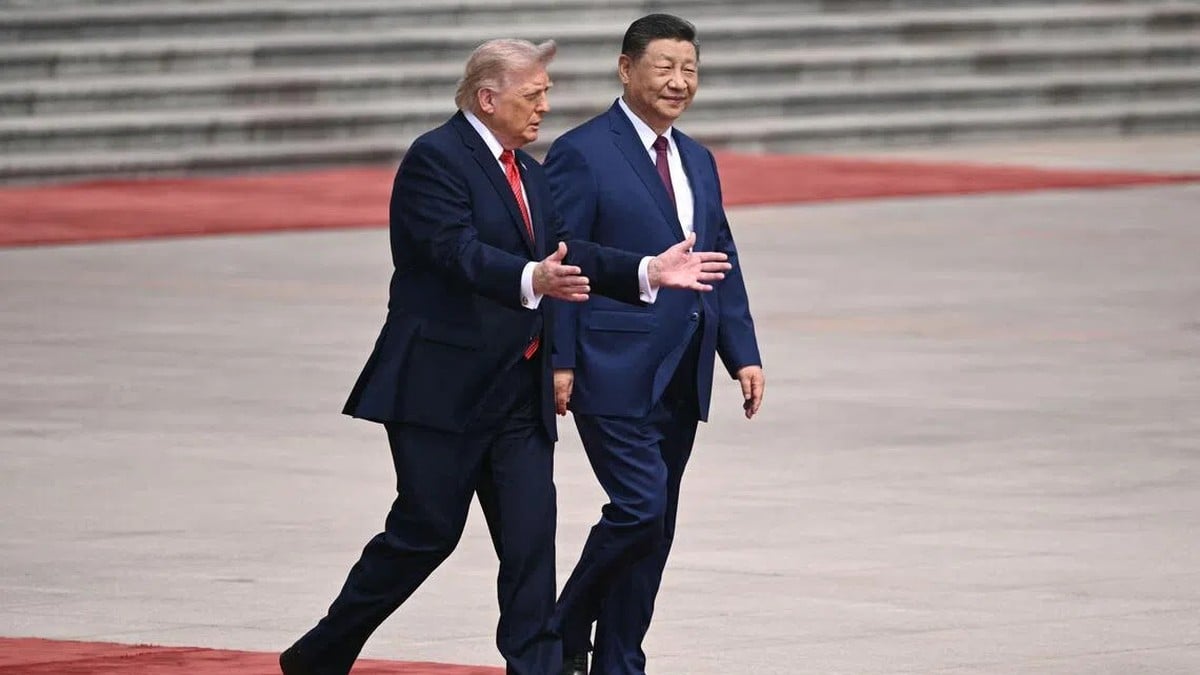
- What happenedAt a Beijing summit on May 14, President Xi told President Trump he wants to buy more U.S. oil to lessen reliance on the Hormuz Strait, and both leaders agreed the waterway must stay open and free of tolls. The White House called the meeting “good,” a view echoed by The Hindu, while the Globe and Mail noted Trump’s invitation to Xi for a September White House visit, hinting at a tentative thaw in U.S.–China ties despite lingering tariff barriers.
- Key facts & numbersXi expressed interest in buying more U.S. oil to cut China’s reliance on the Strait of Hormuz, per a White House readout of his May 14 summit with Trump. Trump and Xi agreed the Strait of Hormuz must stay open for free energy flow and opposed any militarisation or tolls. China has not imported any U.S. crude since May 2025 because of a 20 % tariff, making U.S. light sweet crude uncompetitive despite the expressed interest.
- What happens nextXi’s oil pitch and Trump’s invite hint at a rare U.S.–China détente, but the 20 % tariff still blocks the deal.
- Xi expressed interest in buying more U.S. oil to cut China’s reliance on the Strait of Hormuz, per a White House readout of his May 14 summit with Trump.
- Trump and Xi agreed the Strait of Hormuz must stay open for free energy flow and opposed any militarisation or tolls.
- China has not imported any U.S. crude since May 2025 because of a 20 % tariff, making U.S. light sweet crude uncompetitive despite the expressed interest.
- White House called the Trump‑Xi meeting “good,” a view echoed by The Hindu.
Why It Matters
Background & Timeline
Sources Cited
- Straits Times AsiaChina’s Xi expressed interest in buying US oil, White House says
Related Coverage
Ask SkimNews
The day’s news in one short email, every morning.
Free. One email a day. Unsubscribe in one click.