Scientists find deadly virus DNA hidden in 1,000-year-old manuscripts
The 30-Second Skim7 points
- What happenedScientists have found that ancient manuscripts can preserve a sheep virus’s history across millennia, with the surviving viral evidence showing remarkably little change and offering a long-term record of pathogen persistence.
- Key facts & numbersYork Gospels, a 1,000-year-old manuscript, revealed traces of a deadly sheep virus. Sheep virus has a history stretching back more than 3,700 years. Scientists found that the virus remained remarkably unchanged for millennia.
- What happens nextThe buried gem: this isn’t just viral DNA in a 1,000-year-old book—the virus’s history stretches beyond 3,700 years with remarkably little change.
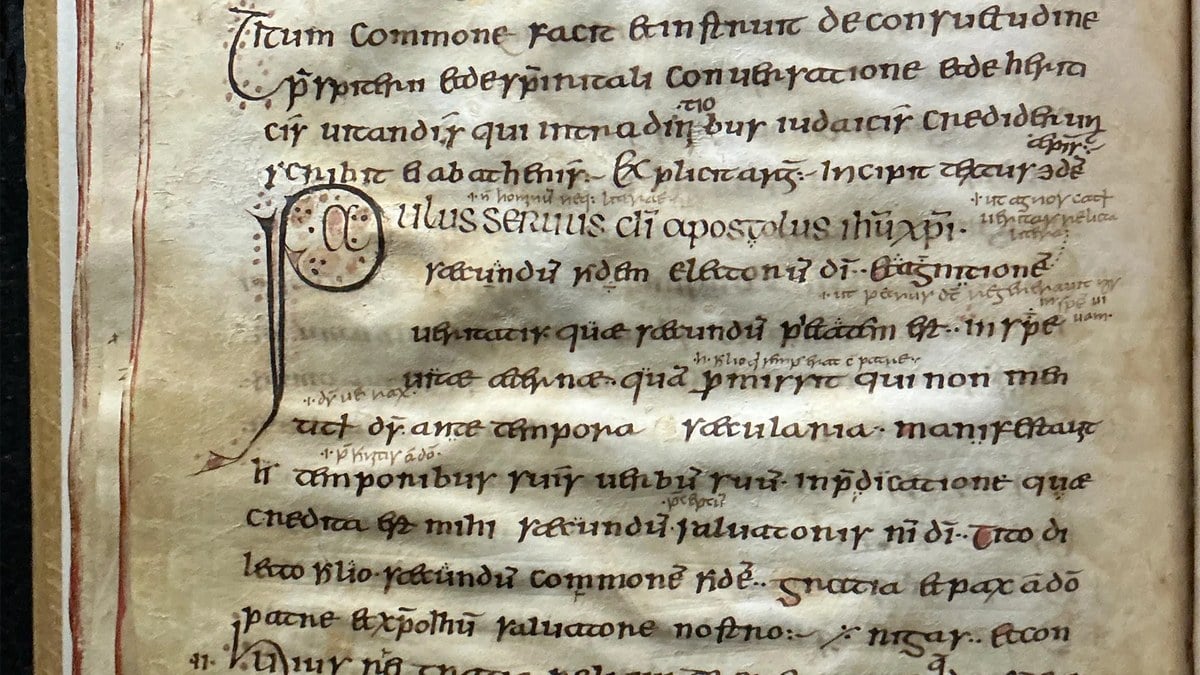
- York Gospels, a 1,000-year-old manuscript, revealed traces of a deadly sheep virus.
- Sheep virus has a history stretching back more than 3,700 years.
- Scientists found that the virus remained remarkably unchanged for millennia.
- Ancient manuscripts preserved viral DNA on historic parchment, turning the documents into an unexpected scientific record.
Why It Matters
Researchers gain a physical archive of pathogen history: manuscript traces document a sheep-virus history reaching back more than 3,700 years, alongside evidence of remarkable stability across millennia. The York Gospels contributes 1,000-year-old evidence to that longer record of viral continuity over time.
Sources Cited
Related Coverage
Ask SkimNews
The day’s news in one short email, every morning.
Free. One email a day. Unsubscribe in one click.