Ancient Virus Shaped Human Brain Evolution, Study Finds
The 30-Second Skim
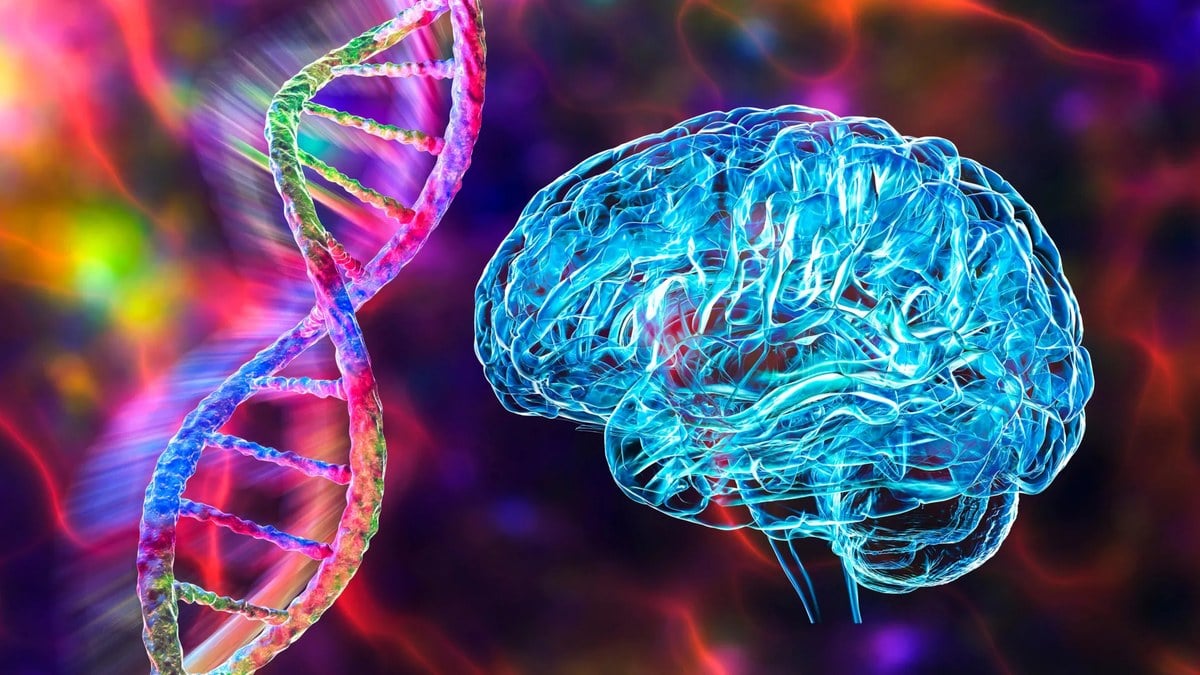
- What happened: Scientists discovered that an ancient viral infection in chimpanzees millions of years ago inserted DNA that silenced a gene crucial for brain development. In humans, the gene remains active, suggesting viral-driven gene regulation differences contributed to human brain evolution.
- Key facts & numbers: The gene LINC00662 is active in human brain organoids but fully silenced in chimpanzee models due to PTERV1 viral DNA insertions. CRISPR removal of the viral sequence in chimp cells reactivated the gene, confirming its regulatory role (Lund University, Nov 15, 2026).
- What happens next: Researchers plan to investigate whether other ancient viral remnants influenced human brain evolution and if these sequences contribute to neurological diseases, potentially opening new avenues in neurodevelopmental disorder research.
Why It Matters
This discovery reshapes understanding of how viral infections millions of years ago may have driven human cognitive evolution by altering gene regulation. It suggests that so-called 'junk DNA' from ancient viruses could be instrumental in defining uniquely human traits, influencing future research in evolutionary biology and genetics.
The findings may also impact neuroscience and medicine by linking endogenous retroviruses to neurodevelopmental pathways. If similar viral remnants affect brain function, they could be implicated in disorders like autism or schizophrenia, offering new targets for diagnosis or therapy grounded in our evolutionary past.
How Outlets Are Framing It
- Science Daily / Evolutionary Biology Lens: Focuses on the mechanism of gene regulation via viral DNA, emphasizing the role of methylation and CRISPR validation in organoid models as key scientific breakthroughs.
- SciTechDaily / Science Innovation Lens: Highlights the use of brain organoids and gene editing as cutting-edge tools that enabled the discovery, framing it as a triumph of modern biotechnology in evolutionary research.
- News-Medical / Medical Implications Lens: Stresses potential links between ancient viral elements and neurological diseases, suggesting these findings could inform future studies on brain disorders.
Background & Timeline
- November 15, 2026: Lund University team publishes findings in Science Advances showing PTERV1 viral remnants silence LINC00662 in chimpanzee brain organoids.
- Millions of years ago: PTERV1 retrovirus infected chimpanzee ancestors, embedding viral DNA that was inherited and eventually silenced nearby brain development genes.
Sources Cited
Related Coverage
Ask SkimNews