Astronaut Gut Bacteria Shift to Protein Fermentation in Space
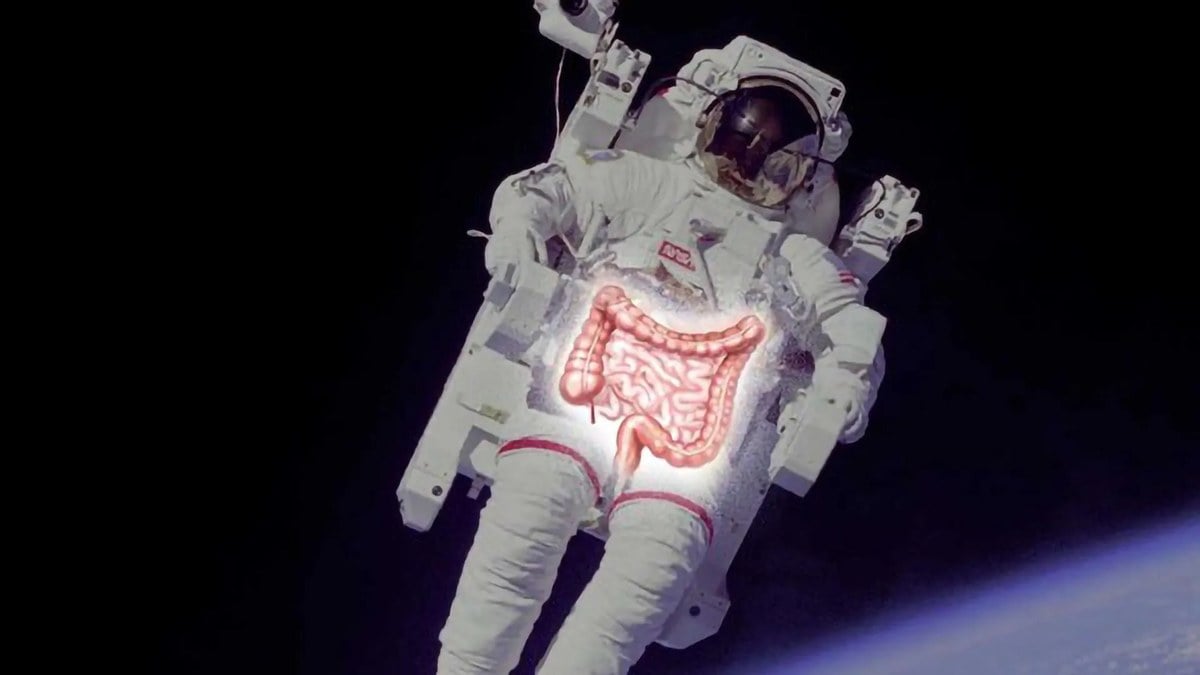
The 30-Second Skim
- What happened: Blood tests from 52 astronauts aboard the International Space Station reveal gut bacteria shift toward protein fermentation within weeks of entering microgravity, offering a new explanation for space constipation and pointing toward interventions for longer Moon and Mars missions.
- Key facts & numbers: University of Copenhagen researchers, working with NASA, analyzed blood samples from 52 astronauts across multiple ISS missions and found gut bacteria begin fermenting protein at elevated rates within weeks of arriving in space, a shift that persists until return to Earth. Microgravity likely slows intestinal transit, giving gut bacteria extra time to break it down after available fiber runs out — a mechanism the team says explains the high rates of constipation astronauts report. Protein fermentation byproducts circulating in the bloodstream have been linked to kidney damage, mood effects, and reduced concentration via the gut-brain axis, according to researchers Lars Ove Dragsted and Henrik Roager.
- What happens next: The constipation headline buries the real story: the same protein-fermentation shift likely hits bedridden patients on Earth too.
- University of Copenhagen researchers, working with NASA, analyzed blood samples from 52 astronauts across multiple ISS missions and found gut bacteria begin fermenting protein at elevated rates within weeks of arriving in space, a shift that persists until return to Earth.
- Microgravity likely slows intestinal transit, giving gut bacteria extra time to break it down after available fiber runs out — a mechanism the team says explains the high rates of constipation astronauts report.
- Protein fermentation byproducts circulating in the bloodstream have been linked to kidney damage, mood effects, and reduced concentration via the gut-brain axis, according to researchers Lars Ove Dragsted and Henrik Roager.
- NASA scientists Sara R. Zwart and Scott M. Smith contributed to the study, published in Nature Communications, which used a non-targeted metabolomics scan across blood samples drawn from three separate ISS investigations over many years.
Why It Matters
For upcoming Moon and Mars missions lasting far longer than current ISS stays, the researchers explicitly call for countermeasures — dietary fiber, prebiotics, or peristalsis-boosting treatments — to mitigate digestive-system damage during transit. The same protein-fermentation pattern appears in bedridden patients on Earth, pointing to a translational payoff from space biology to hospital care.
Sources Cited
- Science Daily — Blood tests reveal why astronauts get constipated in space
- discovermagazine.com — Astronauts Tend to Get Constipated in Space, a Blood Test May Reveal Why
- Euronews.com — Astronauts get constipated in space. Scientists may now know why
- Phys.org — Constipation is common in astronauts—blood tests provide new answers
- Live Science — Scientists finally know why astronauts struggle to poop in space — and reveal a hidden risk of long-haul spaceflight
Related Coverage
Ask SkimNews