Exercise — and echocardiograms — in space protected astronauts’ hearts in study
The 30-Second Skim
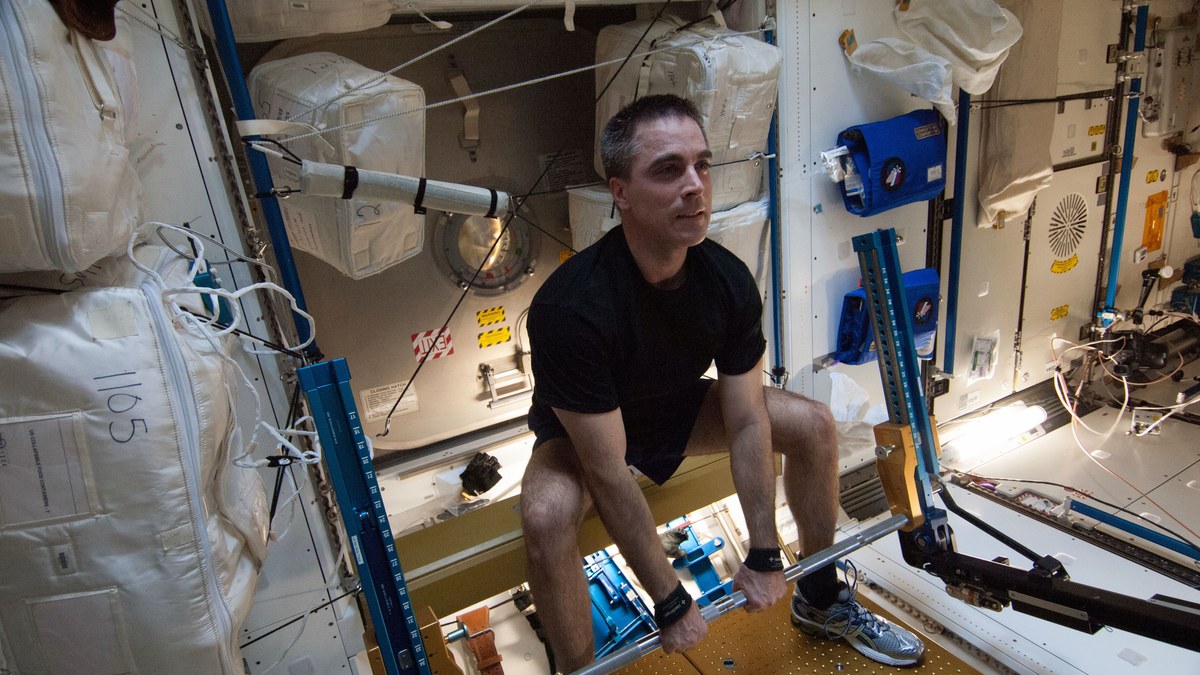
- What happened: A Circulation study of 13 astronauts who performed their own echocardiograms during six months in space found that exercise regimens preserved cardiac structure and function, with researchers calling the results 'really reassuring' for planned Mars missions.
- Key facts & numbers: Thirteen astronauts performed their own onboard echocardiograms during six months in space, with ground-based sonographers remotely guiding probe placement in real time, in a study published Tuesday in Circulation. Lead author Benjamin Levine, director of the Institute for Exercise and Environmental Medicine at Texas Health Presbyterian Dallas, reported that initial changes in heart structure and function stabilized over six months and returned to normal after returning to Earth, with exercise regimens credited for the protection. The researchers observed that no astronaut had a cardiovascular response more stressed than upright posture on Earth before flight, even after exposure to a simulated Mars-like gravity of three-eighths of Earth's, which Levine called 'really reassuring.'
- What happens next: Astronauts literally did their OWN heart ultrasounds in space, guided by a sonographer yelling 'rotate 10 degrees counterclockwise.' And it actually worked.
- Thirteen astronauts performed their own onboard echocardiograms during six months in space, with ground-based sonographers remotely guiding probe placement in real time, in a study published Tuesday in Circulation.
- Lead author Benjamin Levine, director of the Institute for Exercise and Environmental Medicine at Texas Health Presbyterian Dallas, reported that initial changes in heart structure and function stabilized over six months and returned to normal after returning to Earth, with exercise regimens credited for the protection.
- The researchers observed that no astronaut had a cardiovascular response more stressed than upright posture on Earth before flight, even after exposure to a simulated Mars-like gravity of three-eighths of Earth's, which Levine called 'really reassuring.'
- Levine warned the findings may not hold for injured astronauts who cannot exercise, saying they 'might be more compromised when they land,' since some study participants received IV infusions and extensive medical support on return.
Why It Matters
With a 2035 Mars mission on the horizon and a first-ever astronaut medical evacuation in January, cardiovascular safety has become a concrete design constraint for long missions — forcing NASA to decide how much exercise equipment must fit on a vehicle smaller than the ISS.
Sources Cited
Related Coverage
Ask SkimNews