Bacteria Burst Open to Share Resistance Genes
The 30-Second Skim
- What happened: John Innes Centre researchers identified a three-gene system called LypABC that makes bacteria burst open and release virus-like DNA couriers — a repurposed immune mechanism that helps spread antibiotic resistance.
- Key facts & numbers: John Innes Centre researchers identified a three-gene control hub called LypABC that triggers bacterial cells to burst open and release gene transfer agents (GTAs) — virus-like particles that shuttle DNA, including antibiotic resistance genes, to neighboring bacteria. Using deep sequencing-based screening in the model bacterium Caulobacter crescentus, the team found that deleting lypABC prevented cells from lysing, while overexpressing the genes caused widespread cell rupture. LypABC closely resembles a bacterial anti-phage immune system, containing protein domains typically used to defend against viruses, yet bacteria have repurposed it to instead enable DNA release and horizontal gene transfer.
- What happens next: The headline says bacteria 'explode' but the real twist is buried: their own anti-virus defense system got weaponized into a DNA-sharing grenade.
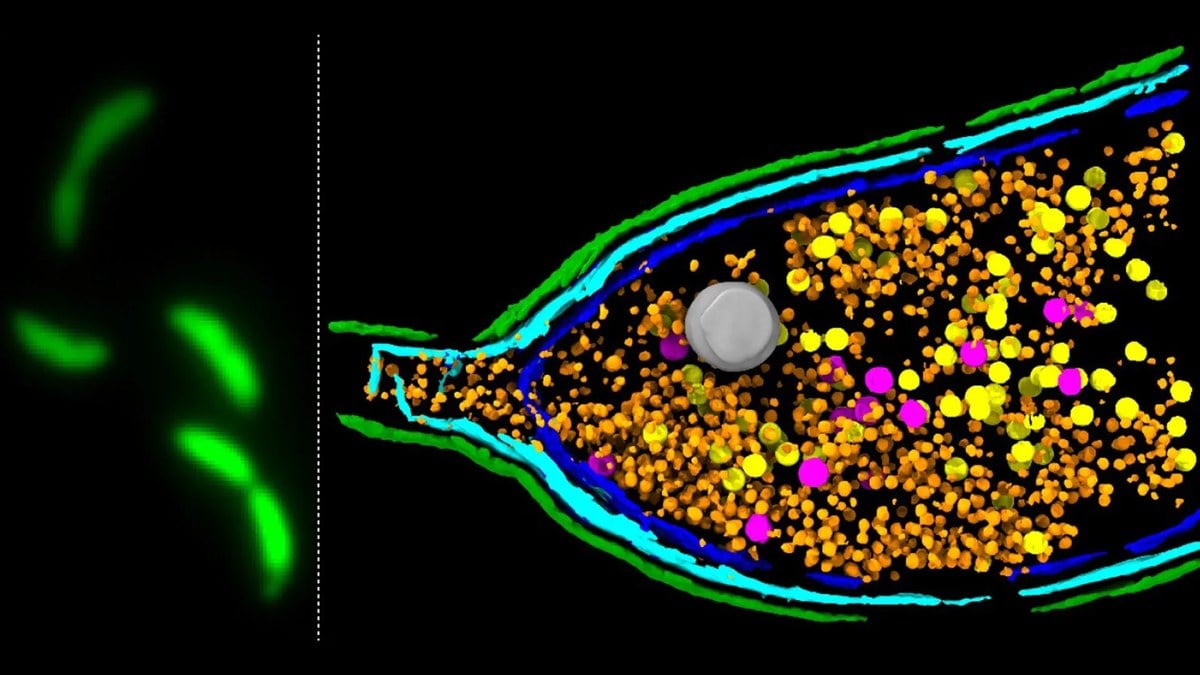
- John Innes Centre researchers identified a three-gene control hub called LypABC that triggers bacterial cells to burst open and release gene transfer agents (GTAs) — virus-like particles that shuttle DNA, including antibiotic resistance genes, to neighboring bacteria.
- Using deep sequencing-based screening in the model bacterium Caulobacter crescentus, the team found that deleting lypABC prevented cells from lysing, while overexpressing the genes caused widespread cell rupture.
- LypABC closely resembles a bacterial anti-phage immune system, containing protein domains typically used to defend against viruses, yet bacteria have repurposed it to instead enable DNA release and horizontal gene transfer.
- Published in Nature Microbiology with collaborators at the University of York and the Rowland Institute at Harvard, the study also identified a regulatory protein that keeps GTA activity in check, since misregulation of LypABC is highly toxic to cells.
Why It Matters
The discovery gives researchers a specific molecular target — the LypABC hub — for tackling antimicrobial resistance, which the John Innes Centre calls 'a growing global health threat.' The study pinpoints exactly how bacteria trigger their own explosive DNA release, providing a concrete entry point for disrupting gene sharing between cells.
Sources Cited
Related Coverage
Ask SkimNews