Virus Enzyme Triggers Bacterial Self-Destruct Defense
The 30-Second Skim7 points
- What happenedUniversity of Utah researchers discovered that a virus-produced protease enzyme cuts a bacterial sensor protein, triggering the CBASS immune self-destruct response — a mechanism distinct from known antiviral pathways that sense viral genetic material.
- Key facts & numbersUniversity of Utah Health researchers identified a new bacterial immune trigger: a phage-produced protease enzyme cuts a bacterial sensor protein, activating the CBASS antiphage defense system. CBASS, described as one of the most common forms of bacterial immunity, triggers infected bacteria to kill themselves before phages can spread to neighboring cells. Sam Hobbs, PhD, assistant professor of biochemistry at University of Utah Health and first author, called the discovery a 'eureka moment' and said he 'never would have guessed' this mechanism.
- What happens nextPhages use a protease to break bacterial sensors — and that very break IS the alarm bell. Bacteria detect the damage, not the virus. Wild.
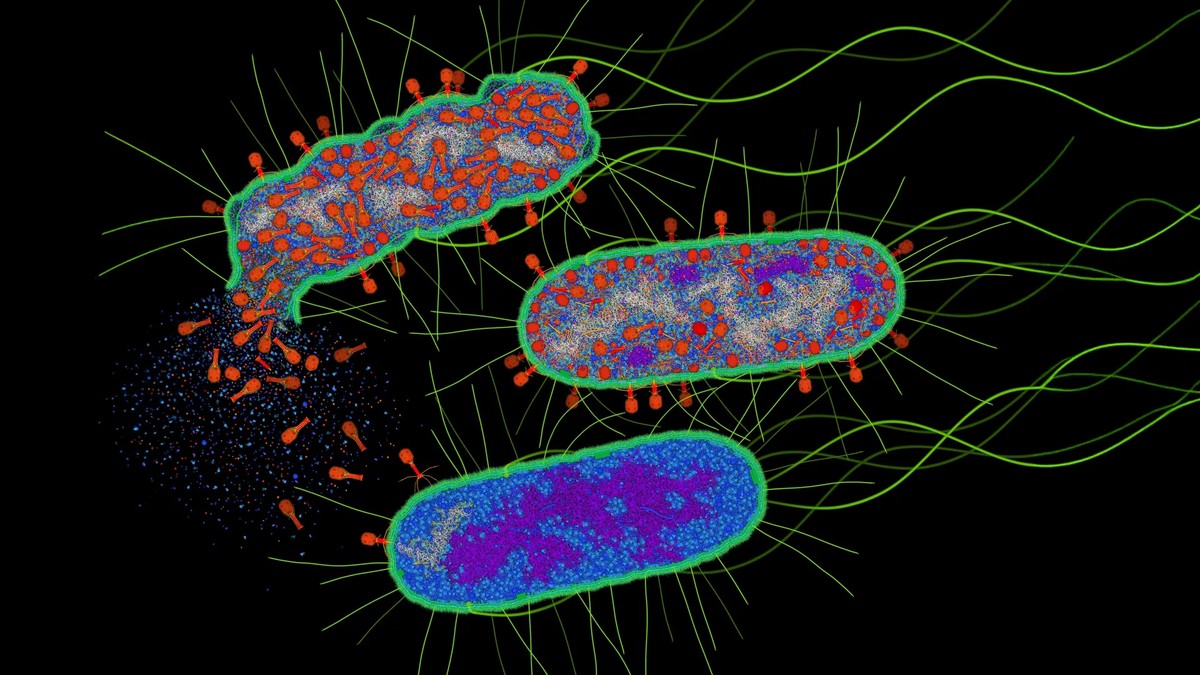
- University of Utah Health researchers identified a new bacterial immune trigger: a phage-produced protease enzyme cuts a bacterial sensor protein, activating the CBASS antiphage defense system.
- CBASS, described as one of the most common forms of bacterial immunity, triggers infected bacteria to kill themselves before phages can spread to neighboring cells.
- Sam Hobbs, PhD, assistant professor of biochemistry at University of Utah Health and first author, called the discovery a 'eureka moment' and said he 'never would have guessed' this mechanism.
- The CBASS detection pathway differs from related antiviral systems because it senses a viral protein's activity on a bacterial host protein rather than recognizing viral genetic material directly.
Why It Matters
Phage therapy is being pursued as an alternative to antibiotics for drug-resistant infections, but bacterial immune defenses have limited its effectiveness. By revealing exactly how CBASS detects phages, this work gives phage engineers a concrete molecular target to design around, potentially making phage-based treatments more viable against resistant bacteria.
Sources Cited
- Science DailyBacteria turn a virus’ own weapon against it
- Quanta MagazineThe Ancient Weapons Active in Your Immune System Today
- South China Morning PostHow Chinese scientists turn allergy into a powerful weapon against cancer
Related Coverage
Ask SkimNews