Myotis Bat Genomes Reveal Cell-Death Longevity Trick
The 30-Second Skim
- What happened: First genomic analysis of eight Myotis bat species, published in Nature, finds that the longest-lived bats combat cancer and aging by killing damaged cells rather than repairing them — a strategy also seen in elephants.
- Key facts & numbers: UC Berkeley researchers published the first comparative analysis of eight Myotis bat genomes in Nature, finding that longer-lived species carry elevated levels of genes associated with fighting cancer. The little brown bat (Myotis lucifugus), the longest-lived North American bat, responded to lethal chemical exposure by triggering cell death rather than activating DNA repair — a strategy researchers also documented in elephants. Lead author Juan Manuel Vazquez and collaborator Elise Lauterbur found significant overlap between longevity-associated genes and viral interaction genes, far exceeding what random chance would predict.
- What happens next: The buried angle: bats evolved for DNA-virus defense, humans for RNA-virus defense. That's why spillovers hit us so hard.
- UC Berkeley researchers published the first comparative analysis of eight Myotis bat genomes in Nature, finding that longer-lived species carry elevated levels of genes associated with fighting cancer.
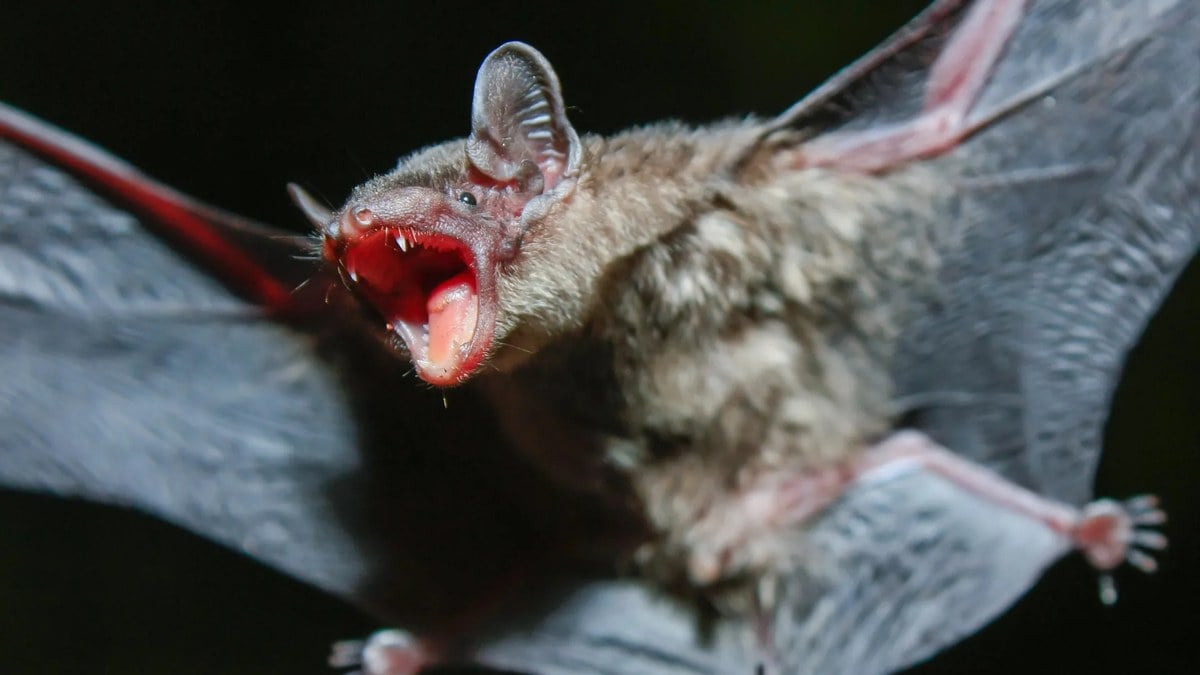
- The little brown bat (Myotis lucifugus), the longest-lived North American bat, responded to lethal chemical exposure by triggering cell death rather than activating DNA repair — a strategy researchers also documented in elephants.
- Lead author Juan Manuel Vazquez and collaborator Elise Lauterbur found significant overlap between longevity-associated genes and viral interaction genes, far exceeding what random chance would predict.
- Myotis bats possess an unusually large number of genes producing proteins that interact with DNA viruses like herpes, while humans and primates show enrichment for RNA virus interactions — an evolutionary mismatch that researchers say helps explain dangerous zoonotic spillovers.
Why It Matters
Researchers now have a concrete genomic roadmap — drawn from eight Myotis genomes — showing which genes bats use to suppress tumors and eliminate damaged cells. That same data exposes a stark mismatch: bats evolved defenses against DNA viruses, while humans evolved against RNA viruses, helping explain why bat-origin pathogens can devastate human populations.
Sources Cited
- Science Daily — The secret to longer life may be hidden in bat DNA
- University of Rochester — URochester researchers awarded up to $22M to study a hidden driver of aging
Related Coverage
Ask SkimNews