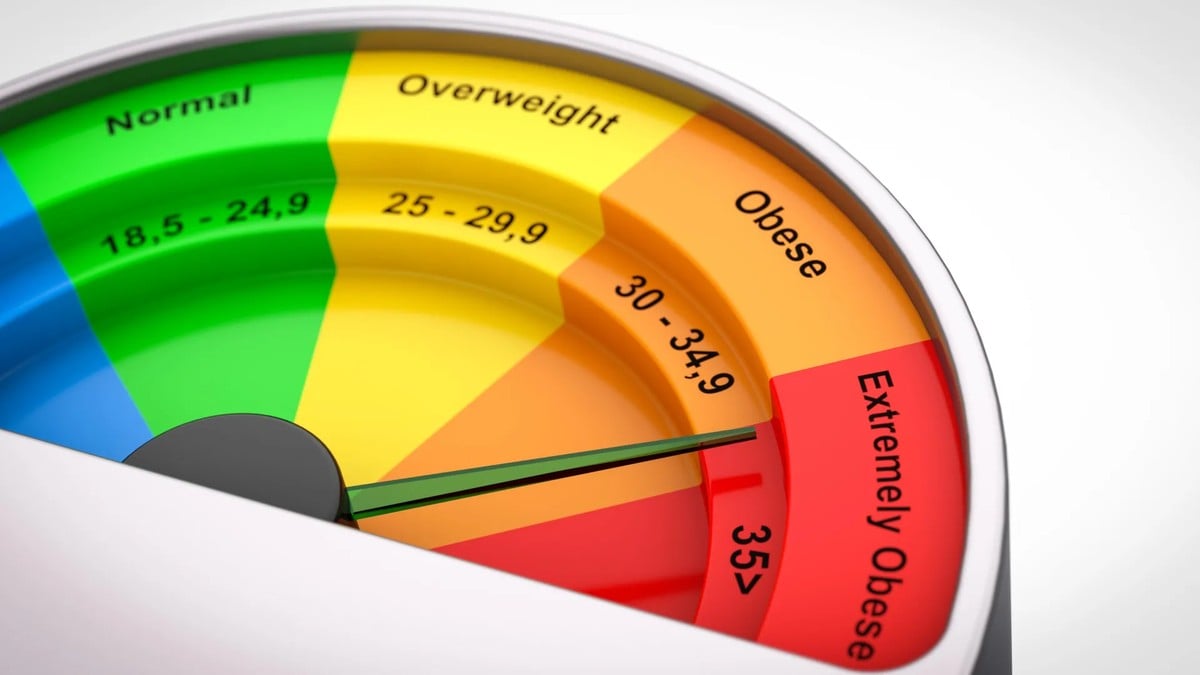
DXA Study Finds BMI Misclassifies 33% of Adults
The 30-Second Skim7 points
- What happenedA new Italian study using gold‑standard DXA scans finds that BMI misclassifies over one‑third of adults, overstating overweight and obesity rates and prompting calls to revise national public health‑assessment guidelines.
- Key facts & numbersEuropean Association for the Study of Obesity reported that BMI misclassifies more than one‑third of adults in an Italian cohort when benchmarked against DXA body‑fat percentages. Professor Marwan El Ghoch of the University of Modena and Reggio Emilia explained that BMI’s failure to measure fat directly leads to overestimation of underweight, overweight and obesity prevalence. University of Verona researchers measured 1,351 White Caucasian adults (60% female, ages 18‑98) with DXA, finding that 34% of those labeled obese by BMI were actually only overweight and 53% of those labeled overweight were mis‑categorized.
- What happens nextTurns out BMI’s way off for a third of Italians – DXA says many ‘overweight’ folks are actually normal weight.
- European Association for the Study of Obesity reported that BMI misclassifies more than one‑third of adults in an Italian cohort when benchmarked against DXA body‑fat percentages.
- Professor Marwan El Ghoch of the University of Modena and Reggio Emilia explained that BMI’s failure to measure fat directly leads to overestimation of underweight, overweight and obesity prevalence.
- University of Verona researchers measured 1,351 White Caucasian adults (60% female, ages 18‑98) with DXA, finding that 34% of those labeled obese by BMI were actually only overweight and 53% of those labeled overweight were mis‑categorized.
- DXA results showed a combined overweight‑obesity prevalence of 37% (23.4% overweight, 13.2% obese), compared with 41% using BMI, indicating a systematic over‑estimate by the BMI system.
Why It Matters
Clinicians and policymakers gain a clearer picture of true adiposity, while individuals mislabelled as overweight or obese avoid unnecessary interventions; the findings could shift Italian health‑policy to incorporate direct body‑composition measures, reducing misallocation of resources and improve targeting of prevention programs.
Sources Cited
Related Coverage
Ask SkimNews