Brain Implant Patients Demand Control Over Trials and Data
The 30-Second Skim
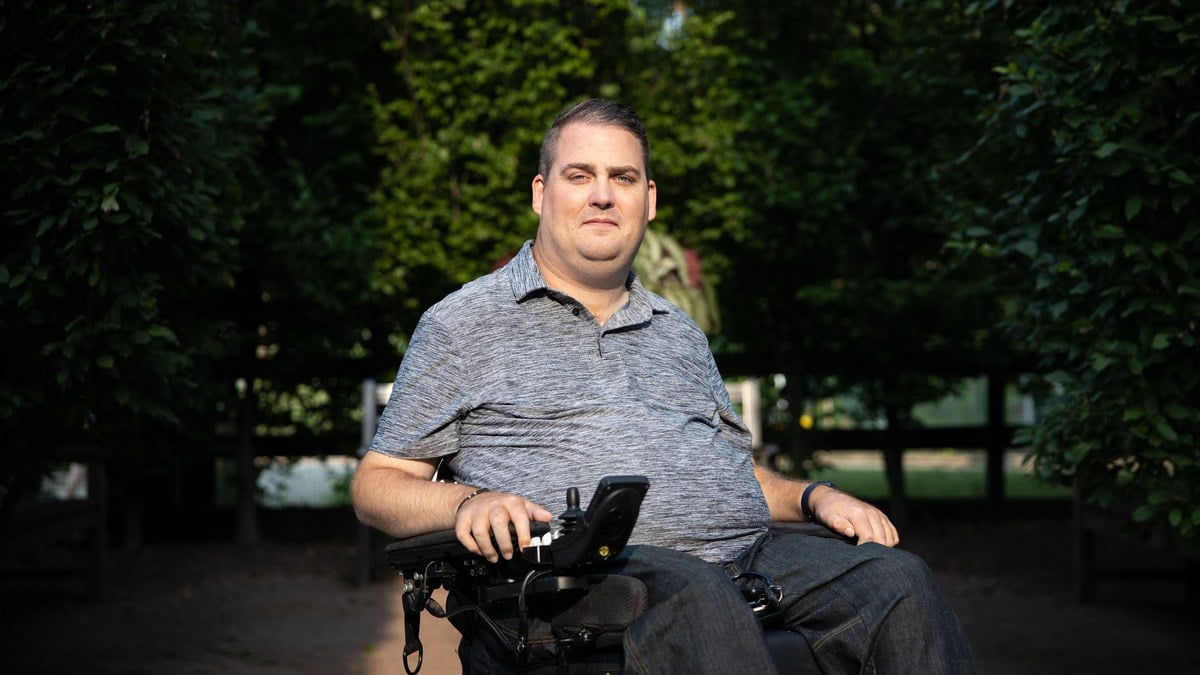
- What happened: The BCI Pioneers Coalition released a report with 13 recommendations to improve patient involvement in brain-computer interface trials, focusing on informed consent, long-term care, and neural data rights. Ian Burkhart, a tetraplegic former implant user, criticized current practices that treat participants like lab subjects.
- Key facts & numbers: The report was published in November 2026 by the BCI Pioneers Coalition, co-founded by Ian Burkhart, who received a brain implant at Ohio State University in 2014. Nathan Copeland has used a BCI device for 11 years, highlighting long-term trial challenges.
- What happens next: Regulators and neurotech startups are expected to review the coalition’s recommendations in early 2027, potentially shaping FDA guidance on implanted BCI trials and post-trial support frameworks.
Why It Matters
As neurotechnology startups attract investor interest and move toward commercialization, the lack of standardized post-trial care and data governance risks exploiting vulnerable patients. Without safeguards, participants may face repeated surgeries or psychological harm when studies end abruptly, undermining trust in the field.
The report’s push for data ownership and interoperable device support could reshape clinical trial design, forcing companies to plan for long-term maintenance and data access. This may influence future FDA regulations and set precedents for patient rights in emerging medical technologies, particularly for those with ALS or spinal cord injuries.
How Outlets Are Framing It
- STAT News / Patient Advocacy Lens: Focuses on Ian Burkhart’s personal experience and the ethical imperative to treat BCI participants as partners, not subjects, emphasizing psychological impacts of trial termination.
- IEEE Spectrum / Tech Ethics Lens: Highlights technical and logistical challenges in sustaining implanted BCIs, including device obsolescence and data portability across research institutions.
- BCI Pioneers Coalition / Policy Reform Lens: Positions the report as a foundational step toward systemic change, urging regulators and developers to embed patient input in trial design and data governance.
Background & Timeline
- 2014: Ian Burkhart received the first FDA-approved implanted brain-computer interface at Ohio State University, enabling hand movement after tetraplegia.
- November 2026: The BCI Pioneers Coalition released a report with 13 recommendations to improve patient autonomy in BCI clinical trials.
Sources Cited
Related Coverage
Ask SkimNews