Early Tadpole Immunity Lets Some Frogs Survive Deadly Fungus
The 30-Second Skim7 points
- What happenedThe immune system timing of tadpoles determines whether midwife toad populations survive devastating chytrid fungus outbreaks, a UCL-led study found — survivors develop antimicrobial peptide defenses before metamorphosis, when the fungus becomes deadly.
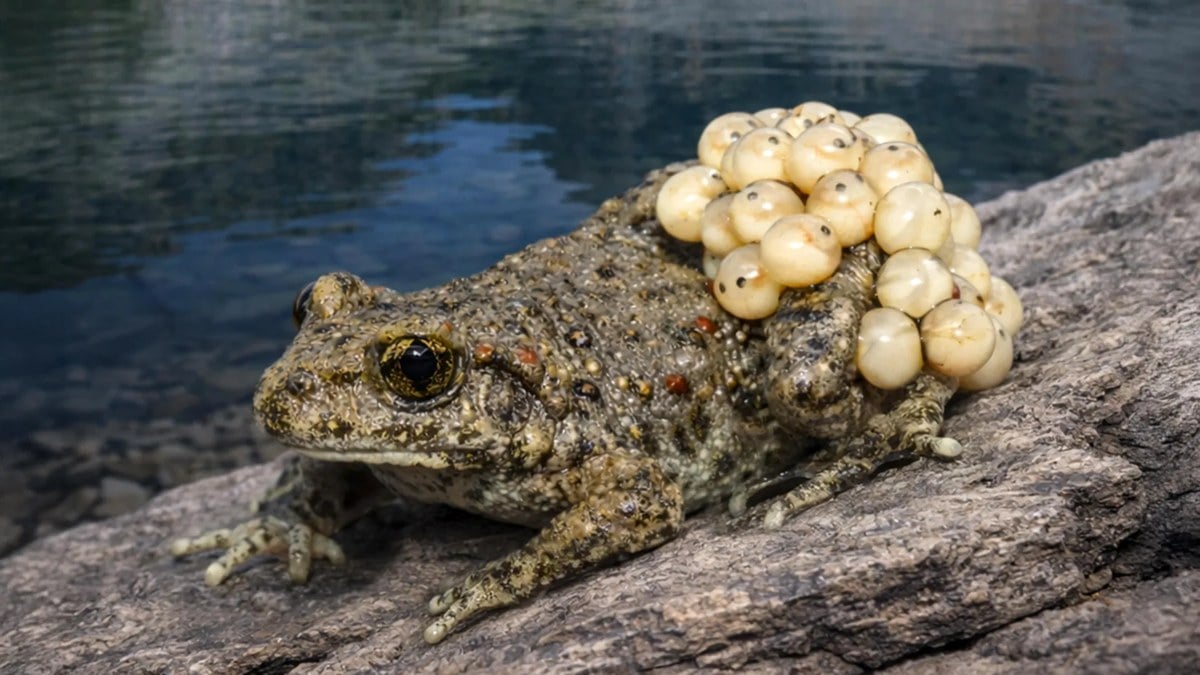
- Key facts & numbersUniversity College London led a study with ZSL and Imperial College London, published in Nature Chemical Biology, showing that midwife toad populations which survived chytrid fungus outbreaks had developed antimicrobial peptide defenses while still tadpoles — before metamorphosis made them vulnerable. Researchers studied four lakes in the Pyrenees of France and Spain that had all experienced severe outbreaks of Batrachochytrium dendrobatidis (Bd); toads at three lakes rebounded while one lake's population continued collapsing, with survivors showing far higher peptide output during the tadpole stage. Mass spectrometry analysis at UCL Chemistry identified 1,152 antimicrobial peptides in the toads' skin secretions, of which only 7 had been previously documented — and populations producing a wider peptide variety during the tadpole stage were far more likely to persist.
- What happens nextTadpoles that prep their immune defenses early survive the deadly fungus — 1,145 of the 1,152 peptides found are brand new to science.
- University College London led a study with ZSL and Imperial College London, published in Nature Chemical Biology, showing that midwife toad populations which survived chytrid fungus outbreaks had developed antimicrobial peptide defenses while still tadpoles — before metamorphosis made them vulnerable.
- Researchers studied four lakes in the Pyrenees of France and Spain that had all experienced severe outbreaks of Batrachochytrium dendrobatidis (Bd); toads at three lakes rebounded while one lake's population continued collapsing, with survivors showing far higher peptide output during the tadpole stage.
- Mass spectrometry analysis at UCL Chemistry identified 1,152 antimicrobial peptides in the toads' skin secretions, of which only 7 had been previously documented — and populations producing a wider peptide variety during the tadpole stage were far more likely to persist.
- The chytrid fungus targets adult amphibians because tadpoles lack the keratin-rich skin that Bd feeds on; once amphibians metamorphose and their skin keratinizes, they become vulnerable to chytridiomycosis, a disease that disrupts water and salt regulation.
Why It Matters
This gives the first mechanistic explanation for why some amphibian populations rebound from chytrid outbreaks while others collapse, and identifies 1,145 previously unknown antimicrobial peptides. Professor Tabor cited penicillin as precedent for natural-compound drug discovery, tying this ecological finding directly to the antimicrobial resistance crisis.
Sources Cited
Related Coverage
Ask SkimNews
The day’s news in one short email, every morning.
Free. One email a day. Unsubscribe in one click.