Glioblastoma Cells Adapt to Thick Fluid, Boosting Invasion
The 30-Second Skim
- What happened: Scientists discovered that high-viscosity fluid at glioblastoma tumor edges causes cancer cells to become smaller and more flexible, enhancing their ability to invade brain tissue. These physical changes persist even after cells leave the thick fluid, suggesting a lasting adaptive mechanism.
- Key facts & numbers: Fluid at the tumor's edge is approximately 8 times more viscous (7.1 cP) than at its center, and glioblastoma cell lines U-251 and LN-229 showed increased mobility after a month in viscous conditions. Adaptations persisted post-exposure, confirmed via Western blotting.
- What happens next: The open microfluidic platform will be used in upcoming trials to test CAR-T therapies and personalized vaccines, with clinical validation expected by late 2027 across institutions including Yale and WashU Medicine.
Why It Matters
This discovery shifts focus from purely biochemical to biomechanical drivers of cancer aggression, opening new avenues for therapies that target physical adaptation. The persistence of changes after exposure suggests that even transient environmental stress could have long-term oncological consequences, complicating treatment timing and delivery.
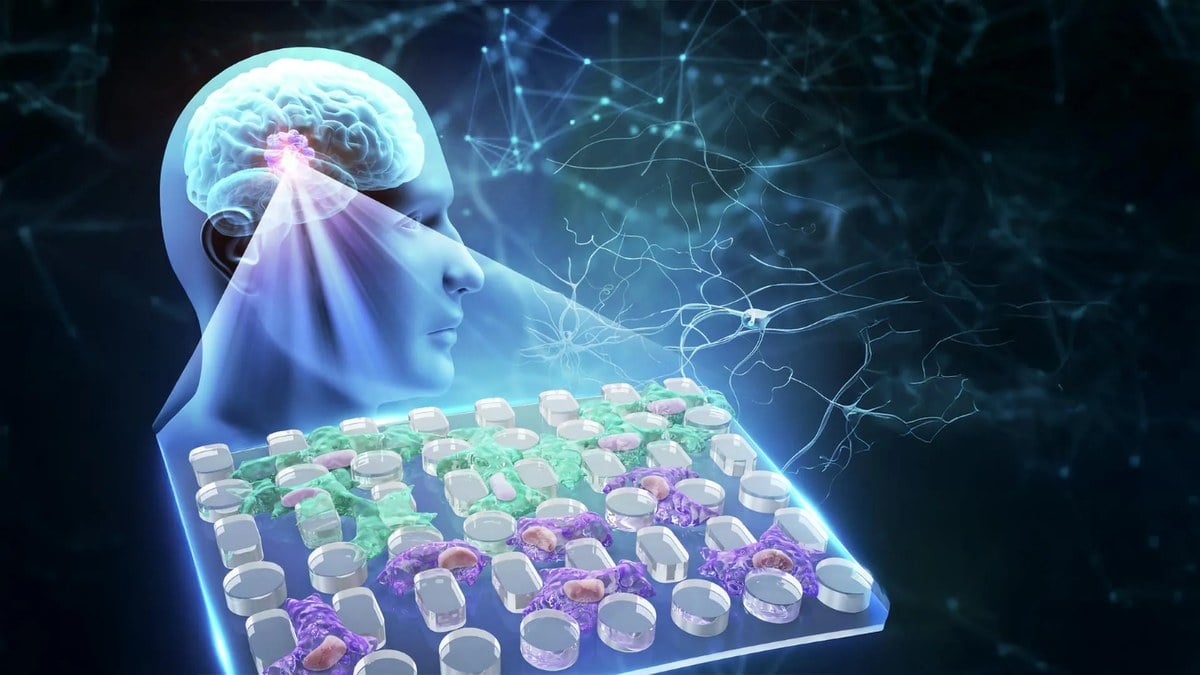
The microfluidic platform may become a standard tool for preclinical testing, especially for immunotherapies like CAR-T and personalized vaccines now being trialed at Yale and Utah. Understanding mechanical memory could also influence how clinicians assess tumor recurrence risk and design interventions to block invasive transformation before it spreads.
How Outlets Are Framing It
- Science Daily / Mechanistic Lens: Focuses on the biophysical innovation—how the open microfluidic device revealed viscosity-induced cellular memory, emphasizing experimental design and nuclear deformation.
- Yale School of Medicine / Therapeutic Lens: Frames the finding as a catalyst for improving T cell therapy by accounting for tumor microenvironment mechanics in treatment planning.
- News-Medical / Clinical Risk Lens: Highlights the danger of persistent cell changes, warning that current therapies may overlook mechanically primed, more invasive cancer populations.
Background & Timeline
- October 2026: Researchers from Chongqing General Hospital published findings in Microsystems & Nanoengineering on glioblastoma cell adaptation using a novel microfluidic platform.
- Prior to 2026: Conventional research emphasized chemical signals and tissue stiffness, largely ignoring fluid viscosity’s role in cancer progression despite known tumor microenvironment heterogeneity.
Sources Cited
- Science Daily — Glioblastoma breakthrough reveals how brain cancer cells become more aggressive
- Yale School of Medicine — T Cell Therapy Shows Promise in Treating Aggressive Brain Cancer
- WashU Medicine — Personalized vaccine shows promise against aggressive brain cancer
- News-Medical — CAR-T cell therapy shows potential to eliminate aggressive glioblastoma
- University of Utah Health — Breakthrough Trial Shows Promising Therapy for Aggressive Brain Cancer
Related Coverage
Ask SkimNews