Google invests millions in Mark Zuckerberg’s efforts to create a ‘virtual cell’
The 30-Second Skim7 points
- What happenedGoogle DeepMind, Meta, and Isomorphic Labs are jointly investing $300 million in Biohub's $1.8 billion effort to build an AI-powered 'virtual cell' that researchers can use to simulate biology and accelerate disease research.
- Key facts & numbersGoogle DeepMind, Meta, and Isomorphic Labs are jointly investing $300 million into Biohub's "Virtual Biology" initiative, which aims to create a "virtual cell" researchers can use to combat disease. The private investment is part of a broader $1.8 billion initiative to build AI datasets that let researchers "ask, predict, and answer biological questions digitally," according to Biohub. Biohub, a nonprofit founded in 2016 by Mark Zuckerberg and Priscilla Chan, aims to build a "high-accuracy predictive model of the cell" that enables simulations to help prevent and cure diseases.
- What happens nextBoth The Verge and the original frame this as "Google funds Zuckerberg's pet project" — but the feds are actually the biggest check-writer here ($500M+ DOE alone). Buried lede.
- Google DeepMind, Meta, and Isomorphic Labs are jointly investing $300 million into Biohub's "Virtual Biology" initiative, which aims to create a "virtual cell" researchers can use to combat disease.
- The private investment is part of a broader $1.8 billion initiative to build AI datasets that let researchers "ask, predict, and answer biological questions digitally," according to Biohub.
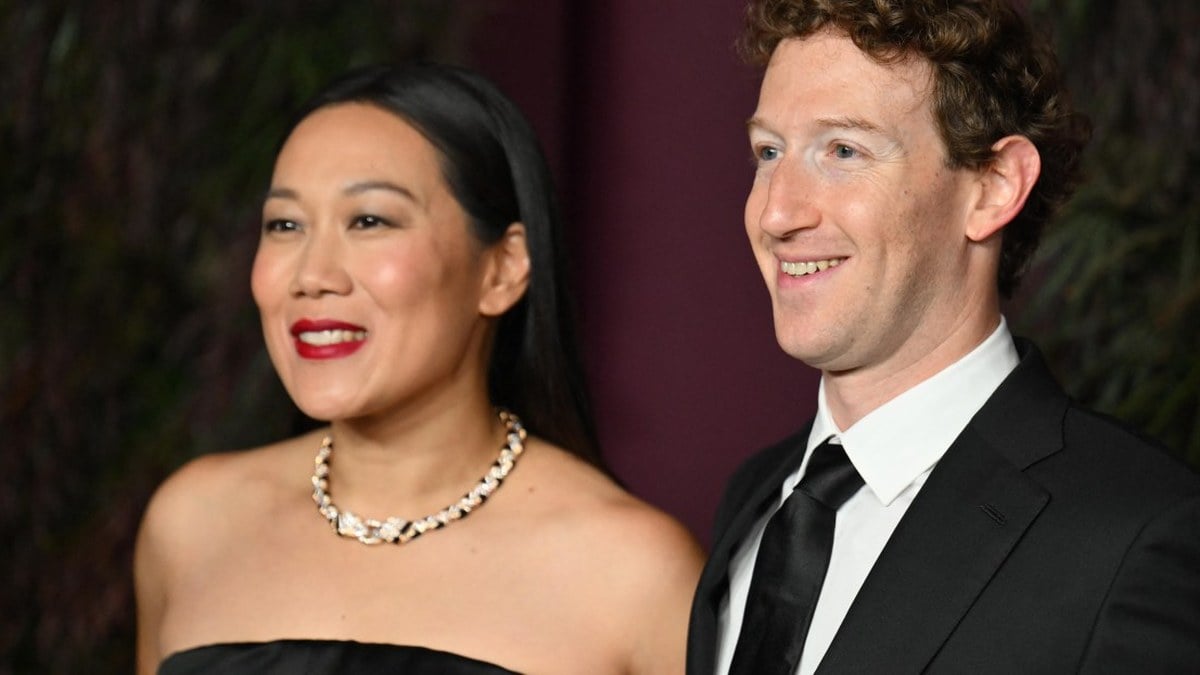
- Biohub, a nonprofit founded in 2016 by Mark Zuckerberg and Priscilla Chan, aims to build a "high-accuracy predictive model of the cell" that enables simulations to help prevent and cure diseases.
- The US Department of Energy will invest more than $500 million over the next five years, while the National Institutes of Health will contribute datasets, repositories, and knowledge bases stemming from over $500 million in prior federal investment.
Why It Matters
The $300 million from Google DeepMind, Meta, and Isomorphic Labs is a fraction of the $1.8 billion total initiative, with the DOE alone pledging $500 million over five years and NIH contributing datasets built from $500 million-plus in prior federal spending — meaning US taxpayers are the single largest financial backer of this push to simulate cellular biology computationally rather than in wet labs.
Sources Cited
Related Coverage
Ask SkimNews