Scientists found the brain doesn’t start blank, it starts full
The 30-Second Skim
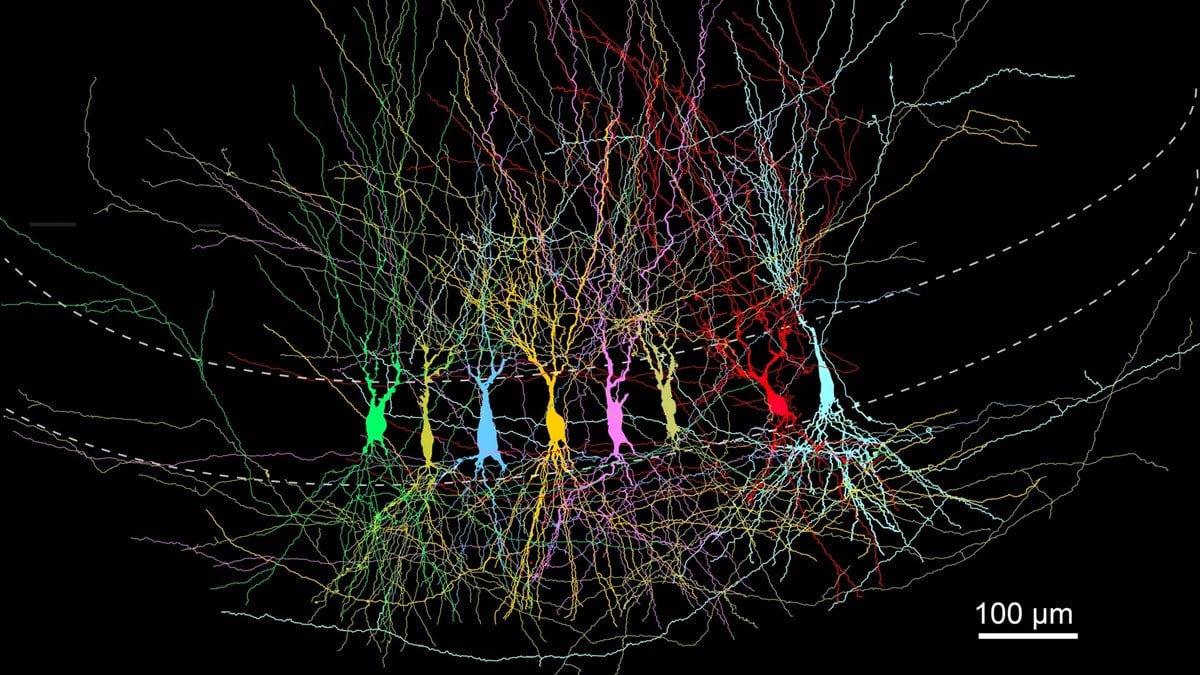
- What happened: Researchers at ISTA led by Peter Jonas and Magdalena Walz showed that newborn mice’s hippocampal CA3 network is initially a dense, random web of connections that later prunes itself into a streamlined, efficient circuit for memory, overturning the classic ‘blank‑slate’ view of brain development.
- Key facts & numbers: Peter Jonas led the ISTA team that published the findings in Nature Communications, revealing a dense CA3 network in mice at post‑natal days 7‑8. Victor Vargas‑Barroso recorded electrical activity from CA3 pyramidal neurons across three developmental windows—days 7‑8, 18‑25, and 45‑50—using patch‑clamp and laser imaging. CA3 pyramidal neurons transition from a crowded, random connectivity pattern at birth to a pruned, high‑efficiency wiring by adulthood, enabling faster memory encoding.
- What happens next: Turns out newborn brains are already buzzing with connections—no more blank‑slate myth.
- Peter Jonas led the ISTA team that published the findings in Nature Communications, revealing a dense CA3 network in mice at post‑natal days 7‑8.
- Victor Vargas‑Barroso recorded electrical activity from CA3 pyramidal neurons across three developmental windows—days 7‑8, 18‑25, and 45‑50—using patch‑clamp and laser imaging.
- CA3 pyramidal neurons transition from a crowded, random connectivity pattern at birth to a pruned, high‑efficiency wiring by adulthood, enabling faster memory encoding.
Why It Matters
Not enough in the article to say why this matters.
Background & Timeline
- Editor context: The brain's initial overabundance of connections suggests that developmental learning is less about forming new links and more about optimizing existing ones through selective removal.
Sources Cited
- Science Daily — Scientists found the brain doesn’t start blank, it starts full
Related Coverage
Ask SkimNews