Penn State study shows core motion moves brain fluid
The 30-Second Skim
- What happened: A Penn State study published in Nature Neuroscience shows that even tiny abdominal muscle contractions can shift the brain within the skull, driving cerebrospinal fluid flow that flushes waste. The findings link everyday movement to a hydraulic‑like brain cleaning mechanism, offering a new biological explanation for exercise’s brain‑health benefits.
- Key facts & numbers: Patrick Drew leads the Penn State team that reported the brain‑motion effect in a Nature Neuroscience paper on April 27, 2026. Penn State researchers used two‑photon microscopy and micro‑CT to image live mice, revealing that abdominal muscle tightening pushes blood through the vertebral venous plexus and nudges the brain. Abdominal muscle contraction creates a hydraulic pressure wave that moves cerebrospinal fluid across the brain, potentially clearing metabolic waste.
- What happens next: Turns out a simple core brace could be the brain’s built‑in vacuum cleaner—no wonder yoga feels so brain‑boosting!
- Patrick Drew leads the Penn State team that reported the brain‑motion effect in a Nature Neuroscience paper on April 27, 2026.
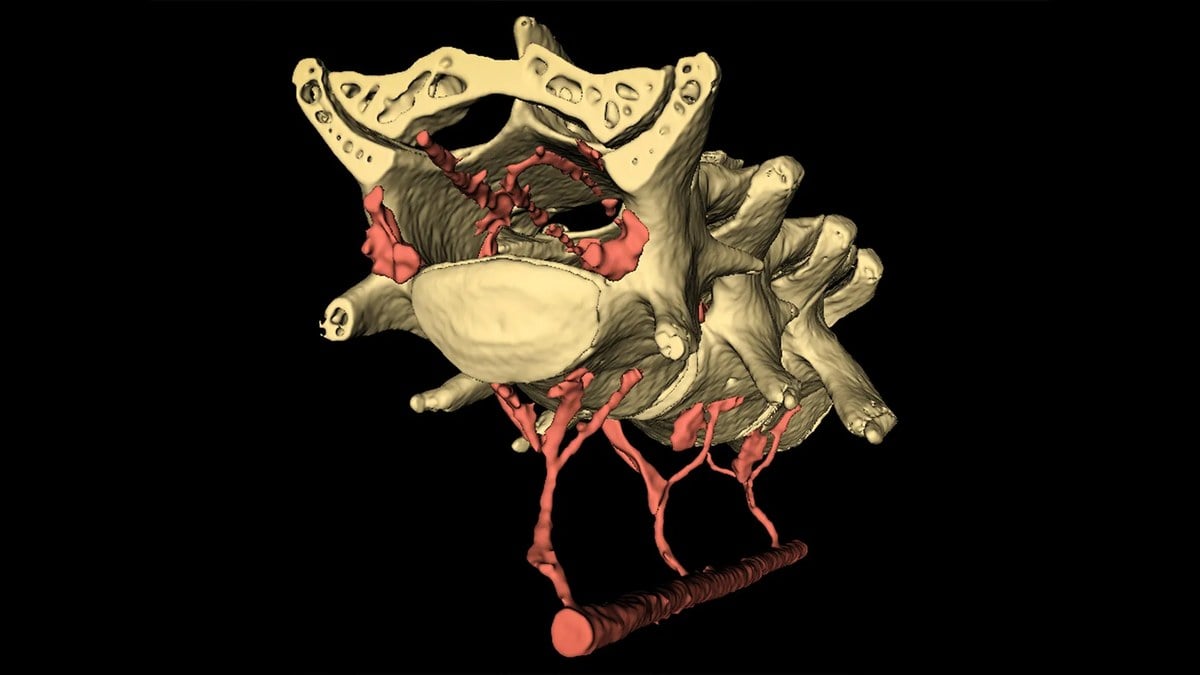
- Penn State researchers used two‑photon microscopy and micro‑CT to image live mice, revealing that abdominal muscle tightening pushes blood through the vertebral venous plexus and nudges the brain.
- Abdominal muscle contraction creates a hydraulic pressure wave that moves cerebrospinal fluid across the brain, potentially clearing metabolic waste.
- Huck Institute of the Life Sciences is mentioned as Drew’s affiliate, highlighting the interdisciplinary engineering‑biology collaboration behind the discovery.
Why It Matters
Not enough in the article to say why this matters.
Sources Cited
Related Coverage
Ask SkimNews