Leiden Papyrus X Documents Alchemy’s Practical Past
The 30-Second Skim3 points
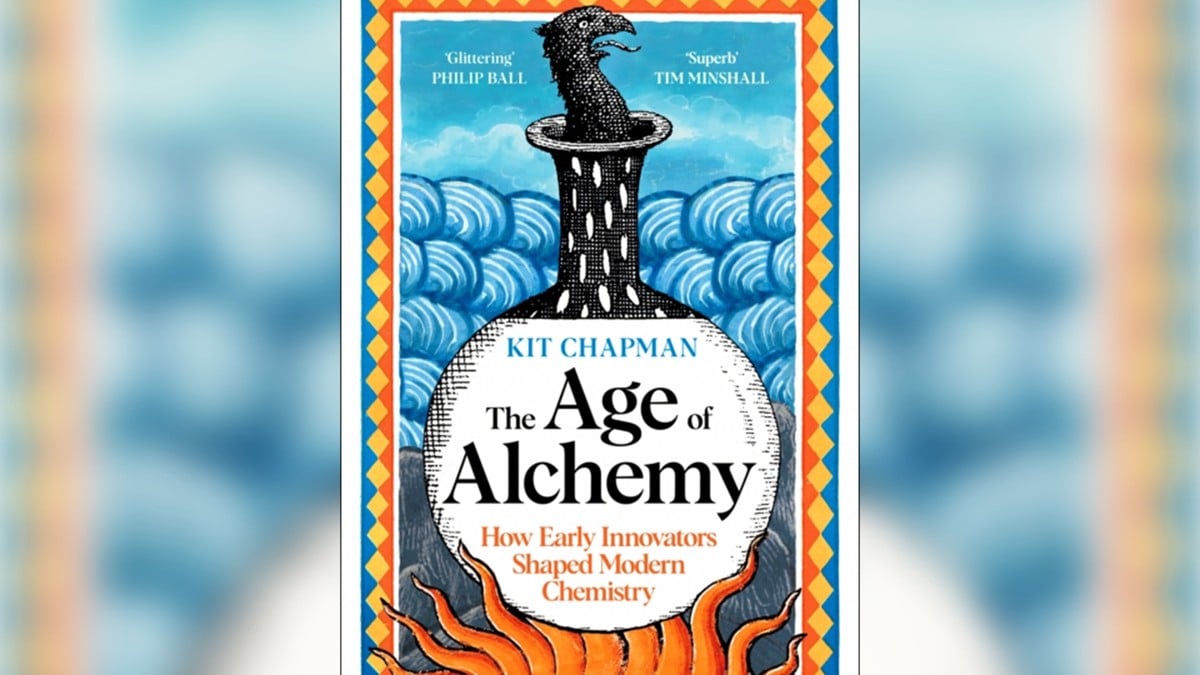
- What happenedThe book-club feature opens with the 1827 discovery of the Leiden Papyrus X and its practical recipes, then widens into Kit Chapman’s argument that chemistry developed gradually across societies rather than appearing suddenly in Europe.
- Key facts & numbersWritten around 300 CE, the Leiden Papyrus X is the oldest surviving alchemy book. Its sulfur-water recipe combines sulfur, lime and vinegar or urine, producing calcium polysulfides and a gold-like film on metal.
- What happens nextThe Age of Alchemy is the New Scientist Book Club’s December read, with a linked Discord discussion for Chapman’s three-part account of early chemistry’s path into modern science.
Why It Matters
Treating the papyrus as a working manual challenges the idea that pre-modern chemistry was merely superstition. Its sulfur-water formula links an ancient gold effect to modern pest control, while the manuscript’s journey through the antiquities trade exposes the greed and opportunism behind its discovery.
The global scope also widens the cast of chemistry’s history. Giving the Islamic world, China, the Indian subcontinent, the Americas and Europe distinct roles presents scientific development as cumulative and political, shaped by belief, rivalry, oppression, colonisation and religious fervour.
How Outlets Are Framing It
- New ScientistThe book-club feature and Chapman’s argument converge on practical, cumulative chemistry, anchored in the Leiden Papyrus X’s working recipes rather than a sudden European breakthrough.
Background & Timeline
- c. 300 CE: The Leiden Papyrus X was written in Greek as a recipe collection for Egyptian artisans, covering metal finishing, imitation purple and gold lettering.
- 1827: A graverobber found papyrus rolls near Thebes and sold them to Jean d’Anastasy, who shipped part of the collection to Stockholm and Leiden University.
Sources Cited
Related Coverage
Ask SkimNews
The day’s news in one short email, every morning.
Free. One email a day. Unsubscribe in one click.