Neurons Break Their DNA to Build the Brain
The 30-Second Skim
- What happened: Kyoto University researchers have found that neurons routinely suffer double-strand DNA breaks as they squeeze through tight spaces in the developing brain, with most damage repaired within 24 hours — a process that may go awry in certain neurological conditions.
- Key facts & numbers: Kyoto University researchers discovered that neurons migrating through the developing cerebral cortex routinely suffer double-strand DNA breaks, a severe form of genetic damage, publishing the finding in Nature on June 21, 2026 Topoisomerase IIβ is the enzyme responsible: mechanical stress during migration traps it mid-cut, leaving DNA strands severed before a repair mechanism called non-homologous end joining reconnects them, typically within 24 hours Neuronal DNA breaks differ from those seen in cancer cells traversing the same microchannels, concentrating in non-critical genome regions and sparing essential genes, which lets neurons maintain function through damage that would kill other cell types
- What happens next: The buried detail: the breaks concentrate in non-critical genome regions — that's why neurons survive what would kill cancer cells. Neat trick.
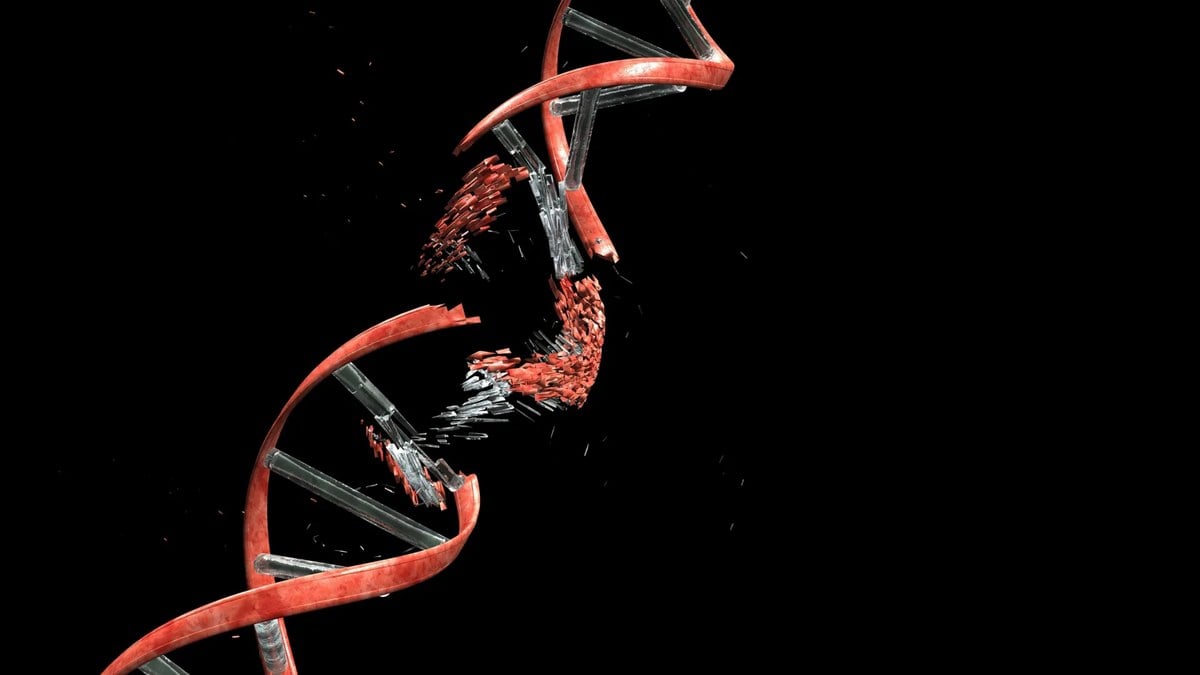
- Kyoto University researchers discovered that neurons migrating through the developing cerebral cortex routinely suffer double-strand DNA breaks, a severe form of genetic damage, publishing the finding in Nature on June 21, 2026
- Topoisomerase IIβ is the enzyme responsible: mechanical stress during migration traps it mid-cut, leaving DNA strands severed before a repair mechanism called non-homologous end joining reconnects them, typically within 24 hours
- Neuronal DNA breaks differ from those seen in cancer cells traversing the same microchannels, concentrating in non-critical genome regions and sparing essential genes, which lets neurons maintain function through damage that would kill other cell types
- Mice lacking Ligase 4, an enzyme required for repair, in newly formed cerebellar neurons developed normally as juveniles but developed mild, progressively worsening balance problems in adulthood — symptoms resembling human disorders tied to genome instability
Why It Matters
Kengaku's team reframes double-strand DNA breaks as a normal feature of brain development rather than purely a pathology. The Ligase 4 knockout mice's late-onset balance problems directly connect failed repair to human cerebellar disorders, giving researchers a concrete new mechanism to pursue in neurodevelopmental and degenerative disease research.
Sources Cited
- Science Daily — Scientists discover neurons must break their DNA to build the brain
- Asia Research News | — DNA in neurons is damaged and repaired during brain cortex formation
- IFLScience — New Breakthrough In Multiple Sclerosis Science Reveals Some Brain Cells Are Killed By Uncontrollable DNA Damage
- SciTechDaily — New Brain Signal Predicts Alzheimer’s Years Before Diagnosis
Related Coverage
Ask SkimNews