AP503 Strengthens Mouse Bones by Activating GPR133
The 30-Second Skim7 points
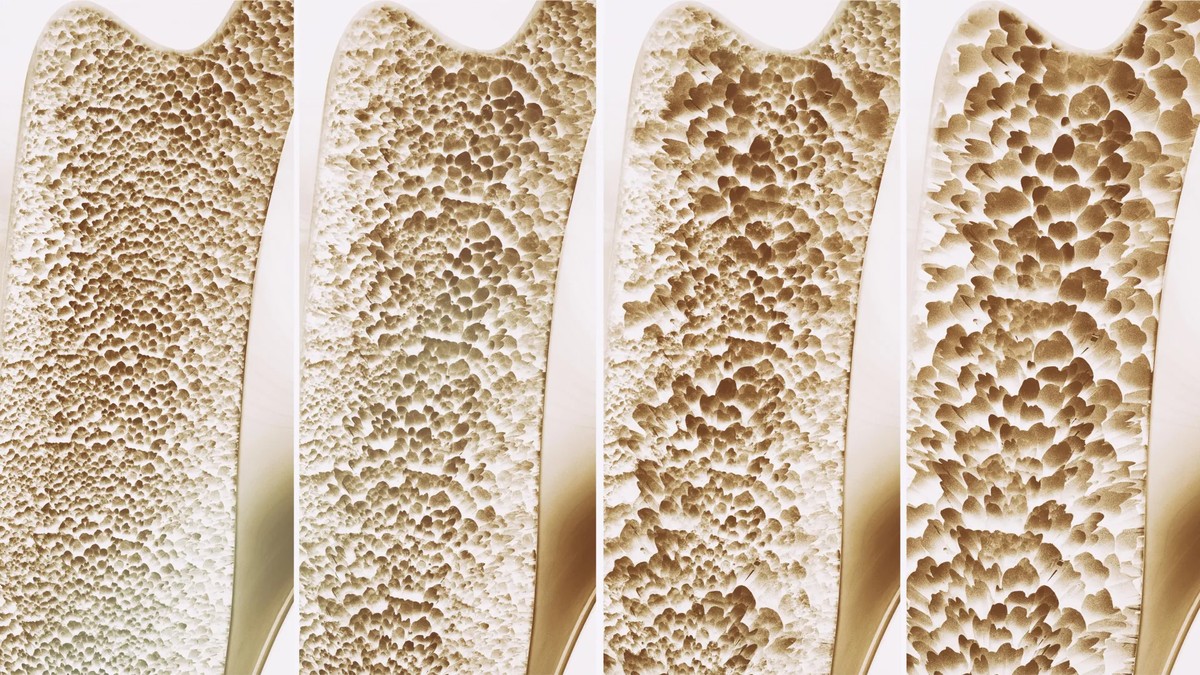
- What happenedLeipzig University researchers say AP503 strengthened bones in healthy and osteoporotic mice by activating GPR133, a receptor that supports bone formation and limits bone loss, with possible relevance to age-related decline.
- Key facts & numbersAP503 significantly increased bone strength in both healthy and osteoporotic mice by activating GPR133. GPR133 activation encouraged osteoblast activity while reducing osteoclast activity, shifting bone remodeling toward stronger, more durable bone. Ines Liebscher reported that mice with genetically impaired GPR133 developed early bone-density loss resembling osteoporosis.
- What happens nextThe overlooked angle: AP503’s earlier muscle-strengthening result pairs with its new bone-building effect, not just a bone-density signal.
- AP503 significantly increased bone strength in both healthy and osteoporotic mice by activating GPR133.
- GPR133 activation encouraged osteoblast activity while reducing osteoclast activity, shifting bone remodeling toward stronger, more durable bone.
- Ines Liebscher reported that mice with genetically impaired GPR133 developed early bone-density loss resembling osteoporosis.
- AP503 also strengthened skeletal muscle in an earlier Leipzig University study, adding a muscle-strengthening dimension to the bone findings.
Why It Matters
The finding gives researchers a defined target for a disease affecting six million people in Germany, most of them women: AP503 strengthened bones in healthy and osteoporotic mice, and earlier work found stronger skeletal muscle. The result remains mouse research rather than a demonstrated human treatment.
Sources Cited
Related Coverage
Ask SkimNews
The day’s news in one short email, every morning.
Free. One email a day. Unsubscribe in one click.