Scientists Identify SP Genes Driving Limb Regeneration
The 30-Second Skim7 points
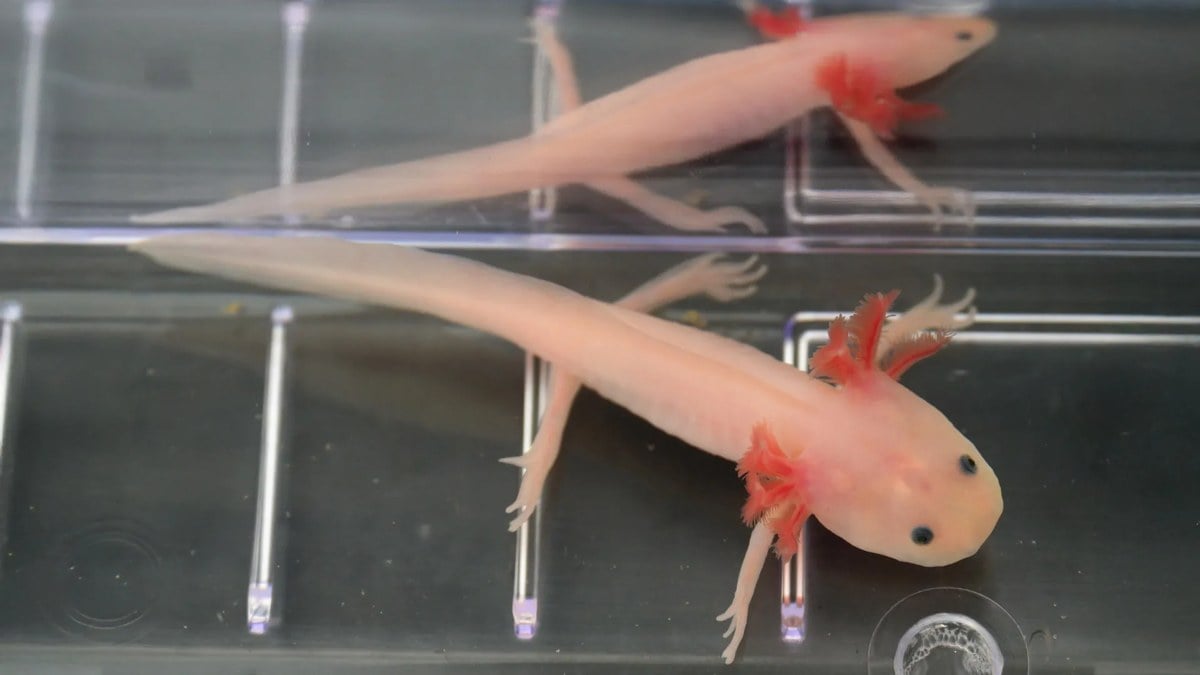
- What happenedResearchers from Wake Forest, Duke, and the University of Wisconsin‑Madison have identified a set of “SP genes” shared by axolotls, zebrafish and mice that are essential for limb regeneration. Knocking out these genes halts bone regrowth, while a zebrafish‑inspired gene therapy partially restores regeneration in mice, opening a path toward future human limb‑repair treatments. The work appears in the Proceedings of the National Academy of Sciences.
- Key facts & numbersSP genes are a shared set of regeneration‑related genes identified in axolotls, zebrafish and mice, and are essential for proper bone regrowth. SP gene knockout stopped proper bone regrowth in salamanders and mice, confirming the genes' functional role. Zebrafish‑inspired gene therapy partially restored limb regeneration in mice after SP gene loss.
- What happens nextTurns out the same genes that let salamanders grow back arms might soon let us ditch metal hooks for real limbs.
- SP genes are a shared set of regeneration‑related genes identified in axolotls, zebrafish and mice, and are essential for proper bone regrowth.
- SP gene knockout stopped proper bone regrowth in salamanders and mice, confirming the genes' functional role.
- Zebrafish‑inspired gene therapy partially restored limb regeneration in mice after SP gene loss.
- The research was published in the Proceedings of the National Academy of Sciences, reflecting a collaboration among Wake Forest, Duke, and University of Wisconsin‑Madison labs.
Why It Matters
Patients facing amputation could eventually receive biologically regrown limbs, reducing reliance on prosthetics and associated costs, while biotech firms may gain a new market for regenerative gene‑therapy products.
Sources Cited
- National GeographicScientists just found an evolutionary holy grail
Related Coverage
Ask SkimNews
The day’s news in one short email, every morning.
Free. One email a day. Unsubscribe in one click.