SpaceX to Catch Starship With Launch Tower on Next Flight
The 30-Second Skim
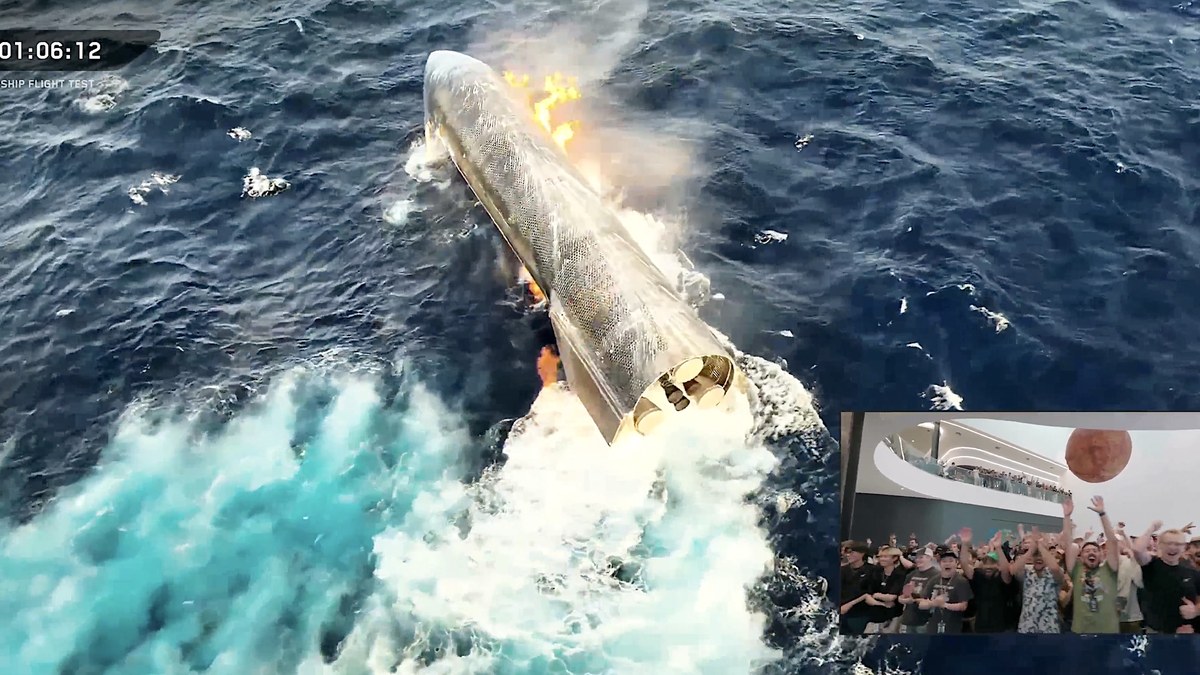
- What happened: SpaceX's 13th Starship test flight achieved its first intact splashdown in the Indian Ocean on July 24, 2026, and Elon Musk announced the next launch will attempt to catch the ship with the launch tower's mechanical arms.
- Key facts & numbers: Starship completed its 13th full-scale test flight on July 24, 2026, splashing down intact in the Indian Ocean west of Australia — a first, with prior water landings ending in fire — and later relit one Raptor engine in space for approximately 14 seconds, visible from South Africa SpaceX engineers got their best look yet at Starship's 18,000+ ceramic heat shield tiles, which withstood 2,600°F reentry temperatures; the intact vehicle could potentially be towed to shore for more detailed inspection Elon Musk announced on X that SpaceX will attempt to catch the next Starship with mechanical arms on the launch tower — a maneuver already proven with the Super Heavy booster — unless post-flight data review surfaces problems
- What happens next: Two-for-one flight: Starship nailed the ocean landing, but the booster slammed into the Gulf for the second straight mission. Tower-catch mania might be premature.
- Starship completed its 13th full-scale test flight on July 24, 2026, splashing down intact in the Indian Ocean west of Australia — a first, with prior water landings ending in fire — and later relit one Raptor engine in space for approximately 14 seconds, visible from South Africa
- SpaceX engineers got their best look yet at Starship's 18,000+ ceramic heat shield tiles, which withstood 2,600°F reentry temperatures; the intact vehicle could potentially be towed to shore for more detailed inspection
- Elon Musk announced on X that SpaceX will attempt to catch the next Starship with mechanical arms on the launch tower — a maneuver already proven with the Super Heavy booster — unless post-flight data review surfaces problems
- Super Heavy booster on Flight 13 suffered a hard splashdown in the Gulf of Mexico after some Raptor engines failed to restart for the landing burn, marking the second consecutive flight with booster recovery trouble
Why It Matters
Starship's first intact water landing gives SpaceX its first real post-flight look at how 18,000+ ceramic tiles held up to 2,600°F reentry — data critical to the rapid reuse cadence that unlocks operational Starlink V3 launches and NASA Artemis lunar missions. But the Super Heavy booster's second consecutive hard splashdown shows the V3 booster-recovery problem isn't solved yet.
Sources Cited
- Google News Business — SpaceX eyes tower catch for next Starship after auspicious end to 13th flight - Ars Technica
Related Coverage
- Starship Flight 13 Succeeds Despite Booster Engine FailuresGoogle News Business
- SpaceX's 13th Starship Test Flight Ends in Soft SplashdownBBC Environment
- SpaceX launches massive Starship rocket in first test flight since IPOCNBC
- SpaceX Catches Starship Upper Stage for the First TimeThe Guardian Science
Ask SkimNews