Cancer breaks its own DNA to keep growing
The 30-Second Skim7 points
- What happenedResearchers found that super-enhancers driving intense gene activity in cancer cells cause double-strand DNA breaks, and the repeated repair cycles introduce mutations that may fuel tumor evolution while exposing a therapeutic vulnerability.
- Key facts & numbersHebrew University of Jerusalem researchers found that super-enhancers — powerful DNA control regions driving unusually intense activity in cancer-promoting genes — can cause double-strand breaks in the cell's own DNA, a previously overlooked source of genetic instability in tumors. PhD student Osama Hidmi, under the guidance of Prof. Rami Aqeilan, led the study published in Science Advances (2026, Vol. 12, Issue 4; DOI: 10.1126/sciadv.aeb6379). Using sensitive genome-mapping, the team found that DNA breaks cluster specifically inside genes controlled by super-enhancers rather than appearing randomly across the genome.
- What happens nextPhD student-led study finds cancer's growth engine is also its DNA's worst enemy — and maybe its Achilles heel.
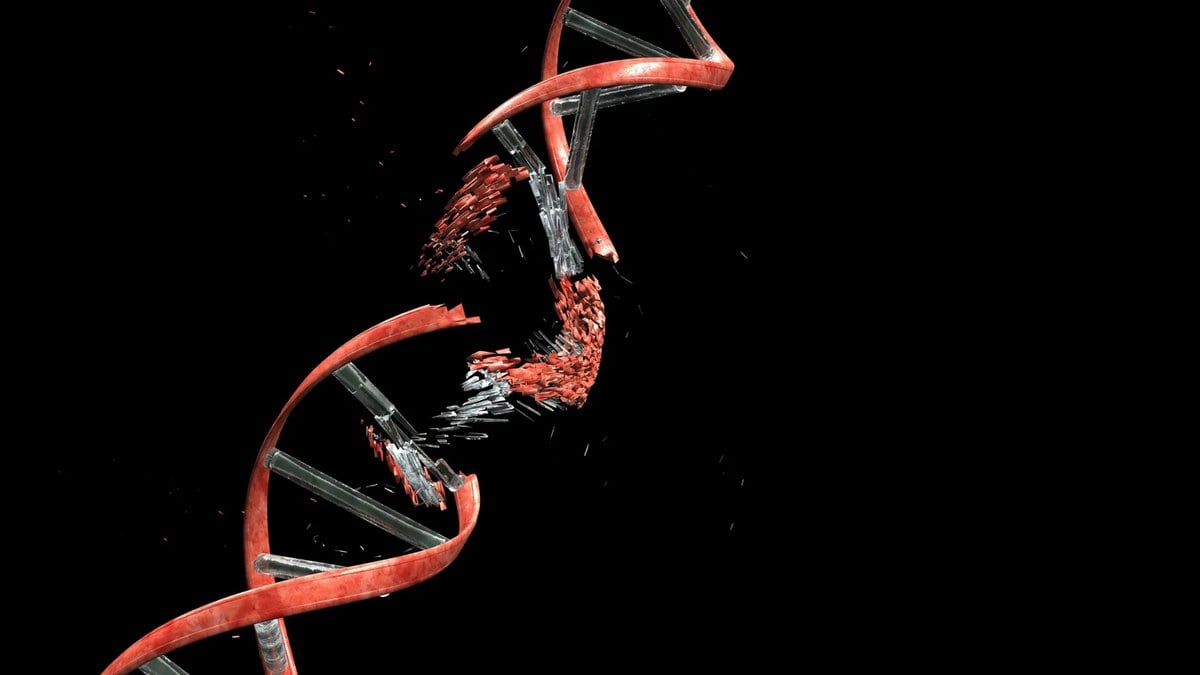
- Hebrew University of Jerusalem researchers found that super-enhancers — powerful DNA control regions driving unusually intense activity in cancer-promoting genes — can cause double-strand breaks in the cell's own DNA, a previously overlooked source of genetic instability in tumors.
- PhD student Osama Hidmi, under the guidance of Prof. Rami Aqeilan, led the study published in Science Advances (2026, Vol. 12, Issue 4; DOI: 10.1126/sciadv.aeb6379).
- Using sensitive genome-mapping, the team found that DNA breaks cluster specifically inside genes controlled by super-enhancers rather than appearing randomly across the genome.
- Cancer cells repeatedly repair the breaks to survive, but each repair cycle introduces small errors that allow mutations to accumulate in these high-activity regions over time.
Why It Matters
Drug developers gain a new therapeutic angle: because cancer cells depend on super-enhancer-driven growth that simultaneously stresses their own DNA, therapies targeting these high-stress regions — by disrupting super-enhancer activity or blocking repair of the resulting breaks — could exploit a vulnerability unique to tumors and potentially limit their ability to evolve resistance.
Sources Cited
- Science DailyCancer may be breaking its own DNA to keep growing
Related Coverage
Ask SkimNews
The day’s news in one short email, every morning.
Free. One email a day. Unsubscribe in one click.