Teen Becomes First Person Saved by CRISPR Base Editing
The 30-Second Skim7 points
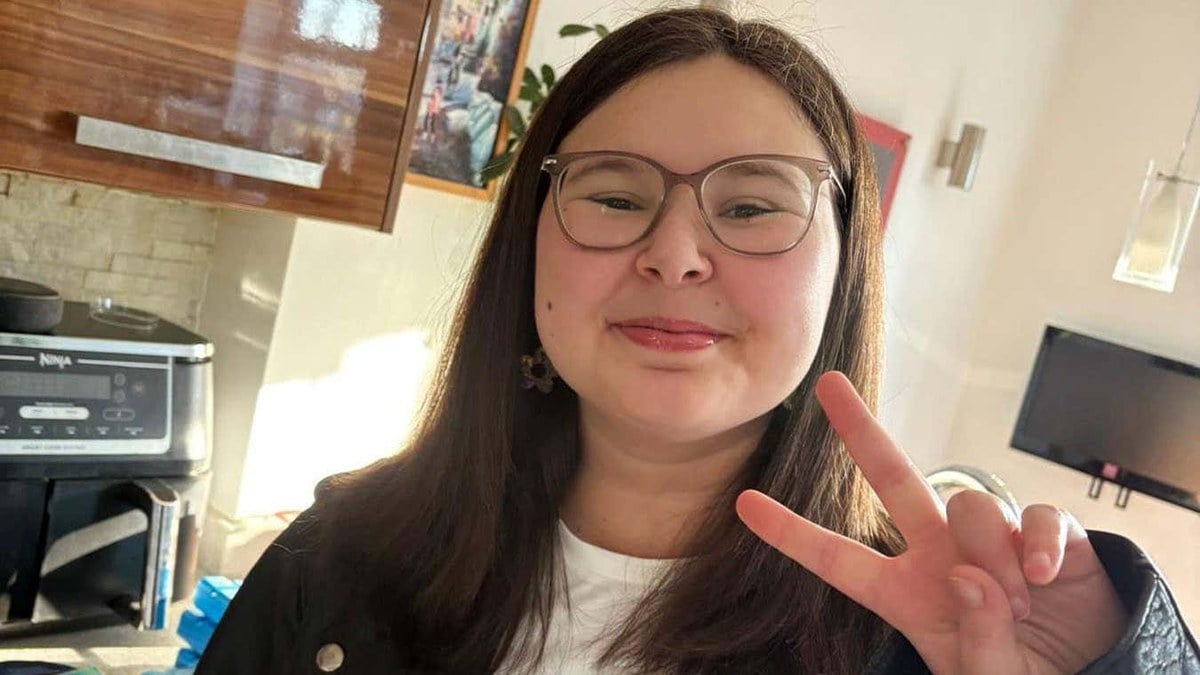
- What happenedA teenage T-cell leukaemia patient whose chemotherapy and a bone marrow transplant had both failed became the first person whose life was saved by CRISPR base editing, after joining Professor Waseem Qasim's modified CAR-T trial at Great Ormond Street Hospital in London.
- Key facts & numbersAn unnamed teenage patient was diagnosed with T-cell leukaemia in 2021 at age 13, shortly after COVID lockdown ended, and saw her disease resist both intensive chemotherapy and a bone marrow transplant at Sheffield Children's Hospital before doctors gave her 'weeks, not months.' Professor Waseem Qasim organized a trial at Great Ormond Street Hospital that used CRISPR base editing to disguise CAR-T cells so they would no longer attack other T-cells — the obstacle that had made standard CAR-T therapy impossible for T-cell cancers. Four weeks after infusion, bone marrow tests found no detectable cancer cells, allowing doctors to proceed with a second bone marrow transplant to restore healthy blood stem cells.
- What happens nextA 13-year-old told her parents she'd rather go to Disneyland than spend her last weeks in a hospital trial. She did the trial anyway. Four weeks later: zero cancer cells.
- An unnamed teenage patient was diagnosed with T-cell leukaemia in 2021 at age 13, shortly after COVID lockdown ended, and saw her disease resist both intensive chemotherapy and a bone marrow transplant at Sheffield Children's Hospital before doctors gave her 'weeks, not months.'
- Professor Waseem Qasim organized a trial at Great Ormond Street Hospital that used CRISPR base editing to disguise CAR-T cells so they would no longer attack other T-cells — the obstacle that had made standard CAR-T therapy impossible for T-cell cancers.
- Four weeks after infusion, bone marrow tests found no detectable cancer cells, allowing doctors to proceed with a second bone marrow transplant to restore healthy blood stem cells.
- The patient remains in remission at 17 and is now doing A-levels and learning to drive, though she still lives with an underactive thyroid caused by the months of intensive chemotherapy.
Why It Matters
By showing base-edited CAR-T cells can eliminate T-cell leukaemia when standard CAR-T cannot, this case opens a door for a cancer subtype that previously had no cell-therapy option. The patient herself argues the next milestone is letting future patients skip the brutal chemotherapy regimen she endured and go straight to gene-edited CAR-T treatment.
Sources Cited
Related Coverage
Ask SkimNews