Dawkins' Selfish Gene Turns 50, Still Influential
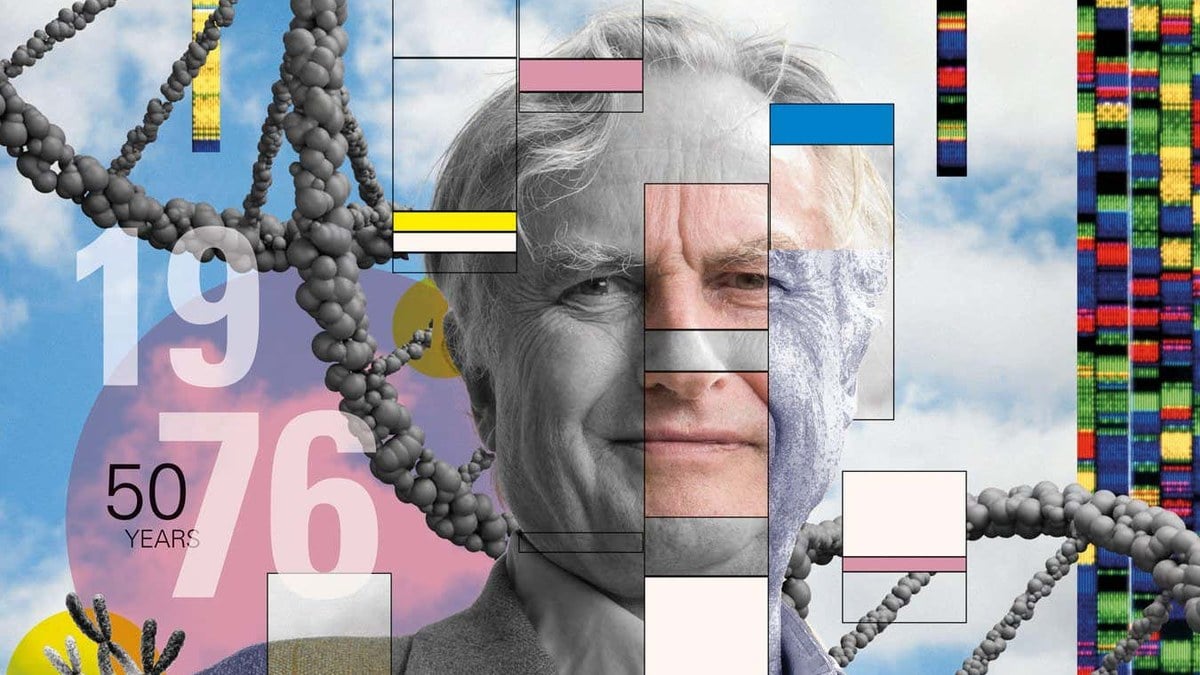
The 30-Second Skim7 points
- What happenedThe Selfish Gene, Richard Dawkins’ 1976 gene‑centred evolution classic, marks its 50th anniversary with a new epilogue, reaffirming its lasting influence while sparking renewed discussion over its metaphor and modern genetic insights.
- Key facts & numbersThe New York Times described The Selfish Gene as “the kind of science writing that makes the reader feel like a genius” when it was first published in 1976. Richard Dawkins added an epilogue to the 50th‑anniversary edition, noting that a book being in press 50 years later is rare and that he remains to update it. William Hamilton’s kin‑selection equations demonstrated that altruistic behavior can evolve by helping relatives share the same genes, a concept Dawkins popularised in his book.
- What happens nextEven after 50 years, Dawkins' gene‑eye view still sparks debate—epigenetics and plasticity are the new twists the book never covered.
- The New York Times described The Selfish Gene as “the kind of science writing that makes the reader feel like a genius” when it was first published in 1976.
- Richard Dawkins added an epilogue to the 50th‑anniversary edition, noting that a book being in press 50 years later is rare and that he remains to update it.
- William Hamilton’s kin‑selection equations demonstrated that altruistic behavior can evolve by helping relatives share the same genes, a concept Dawkins popularised in his book.
- Matthew Cobb warned that the title “The Selfish Gene” is dramatic but misleading, leading to confusion such as interpreting genes as selfish or linking the book to right‑wing economics.
Why It Matters
Biologists and educators gain a reaffirmed framework for teaching evolution, while the ongoing debate over the book’s metaphor and emerging genetic mechanisms may reshape how the gene‑eye view is taught and applied in research, influencing curricula and public perception of evolution.
Sources Cited
Related Coverage
Ask SkimNews
The day’s news in one short email, every morning.
Free. One email a day. Unsubscribe in one click.