Two-Drug Combo Reduces Stroke Brain Damage
The 30-Second Skim7 points
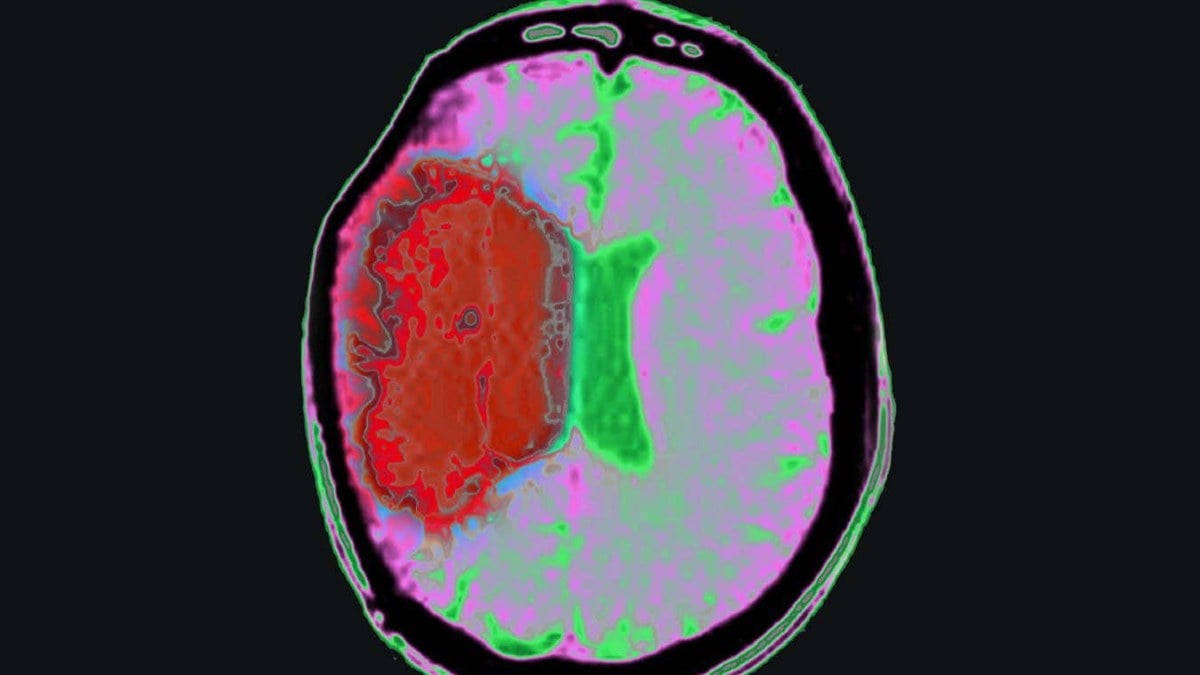
- What happenedA drug combination of promethazine and chlorpromazine cooled core body temperature in mice and monkeys after induced strokes, reducing brain damage; a first human trial in 32 stroke patients only lowered temperature by 0.3°C, prompting a follow-up study with faster infusions.
- Key facts & numbersShuaili Xu at Capital Medical University in Beijing and colleagues combined promethazine (a hay fever antihistamine) and chlorpromazine (an antipsychotic), reducing core body temperature in mice and rhesus monkeys after induced strokes and lessening brain damage. Treated monkeys displayed better limb use after the drug-induced cooling, which also suppressed glucose metabolism in cells during the stroke event. Kirsten Coupland at the University of Newcastle, who was not involved in the study, said physical cooling methods — blankets, ice packs and helmets — have failed because they trigger intense shivering and discomfort.
- What happens nextThe first human trial cut temp by just 0.3°C — basically useless. The 1-hour infusion follow-up is where this actually gets interesting.
- Shuaili Xu at Capital Medical University in Beijing and colleagues combined promethazine (a hay fever antihistamine) and chlorpromazine (an antipsychotic), reducing core body temperature in mice and rhesus monkeys after induced strokes and lessening brain damage.
- Treated monkeys displayed better limb use after the drug-induced cooling, which also suppressed glucose metabolism in cells during the stroke event.
- Kirsten Coupland at the University of Newcastle, who was not involved in the study, said physical cooling methods — blankets, ice packs and helmets — have failed because they trigger intense shivering and discomfort.
- A clinical trial of 32 stroke patients found the drug combination only lowered body temperature by 0.3°C and did not reduce stroke damage, likely because infusions were administered over 12 hours, too slow for meaningful cooling.
Why It Matters
If faster one-hour infusions succeed in the follow-up trial, stroke patients could gain a repurposed, low-cost cooling treatment using drugs with decades of human safety data — potentially limiting the brain damage that drives long-term speech and movement problems that physical cooling methods have failed to address.
Sources Cited
- Medical News TodayHow to reduce body heat: 8 tips and when to see a doctor
Related Coverage
Ask SkimNews
The day’s news in one short email, every morning.
Free. One email a day. Unsubscribe in one click.