UCLA Links Gut Bacteria to Brain Aging in Healthy Adults
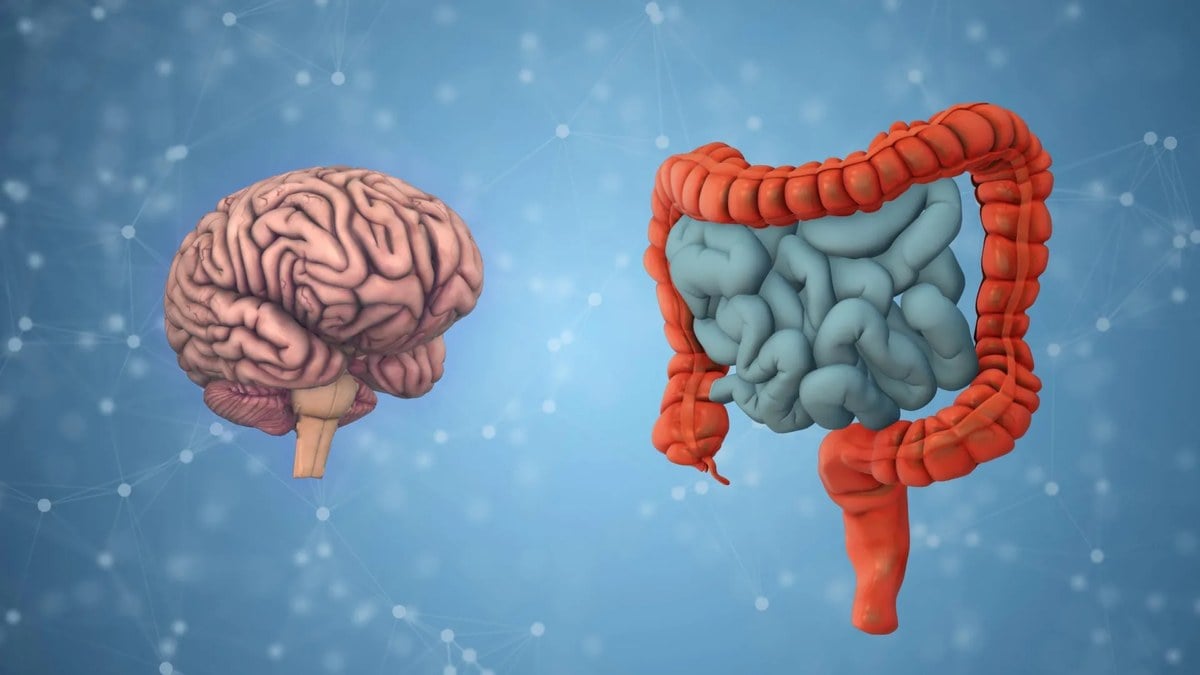
The 30-Second Skim7 points
- What happenedA UCLA study links gut bacteria and their chemical byproducts to brain aging, finding that people with older-looking brains tend to have poorer memory, focus, and mood — even in young and mid-life adults.
- Key facts & numbersUCLA Health researchers analyzed brain scans from nearly 1,500 adults to calculate a Brain Aging Index, revealing that higher brain age correlates with worse working memory and executive function Brain Aging Index scores were consistently linked to self-reported depression symptoms and altered activity in memory- and self-referential thought-related brain regions across all three study groups Gut microbiome analysis in one cohort tied a higher Brain Aging Index to specific bacteria and metabolic byproducts, including certain fat molecules, a cholesterol-related compound, and lower estetrol levels
- What happens nextMost headlines focus on 'gut bacteria predict brain age' — but the real story is that these links appear in young, healthy adults, not just the elderly or sick.
- UCLA Health researchers analyzed brain scans from nearly 1,500 adults to calculate a Brain Aging Index, revealing that higher brain age correlates with worse working memory and executive function
- Brain Aging Index scores were consistently linked to self-reported depression symptoms and altered activity in memory- and self-referential thought-related brain regions across all three study groups
- Gut microbiome analysis in one cohort tied a higher Brain Aging Index to specific bacteria and metabolic byproducts, including certain fat molecules, a cholesterol-related compound, and lower estetrol levels
- Dr. Arpana Church stated that biological signs of brain aging may be detectable decades before cognitive symptoms appear, opening potential for early intervention via gut health
Why It Matters
The findings shift the timeline for detecting brain aging forward by decades, identifying measurable gut-brain connections in otherwise healthy adults. This could redirect prevention strategies toward microbiome health long before cognitive decline becomes apparent, affecting how at-risk individuals are identified and monitored.
Sources Cited
Related Coverage
Ask SkimNews