Volvo CE EVs Debut at Occoquan Bay Wildlife Refuge — SkimNews

Get the Energy newsletter
Daily energy & climate — solar, EVs, oil, the policy fights and tech bets shaping the transition. Free.
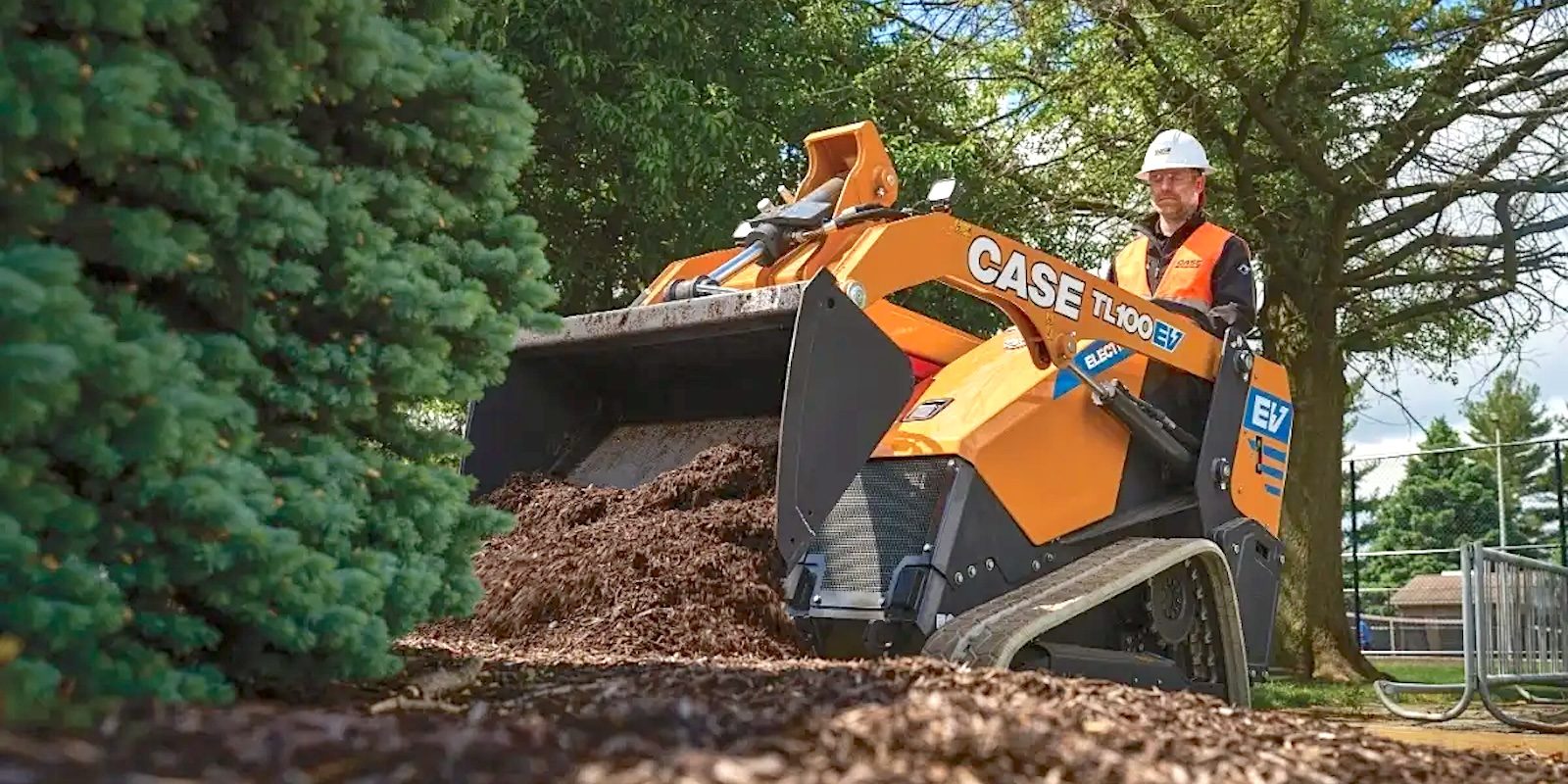
- Volvo CE’s ECR25 Electric compact excavator and L25 Electric compact wheel loader are the first electric equipment assets put to work in the National Wildlife Refuge System, as the US Fish and Wildlife Service partners with the manufacturer.
- US Fish and Wildlife Service turned to Volvo CE’s compact electric machines to build a new ADA-accessible trail at Occoquan Bay National Wildlife Refuge, minimizing wildlife disturbance from diesel exhaust, engine noise and heavy-machinery rumble.
- L25 Electric is laying a half-mile-long ADA-accessible path around one pond, which will let wheelchair-bound visitors travel the trail.
- ECR25 Electric is digging trenches to improve drainage from the pond and is helping place a viewing platform that extends over the water.
- EV ARC is the portable solar-powered charging system from Beam Global that keeps the machines running and is designed to reduce the project’s carbon footprint further.
- Occoquan Bay National Wildlife Refuge contains grasslands, wetlands and woods that attract red foxes, painted turtles, osprey, river otters and other rarely seen species.
- Dr. Ray Gallant called the project a glimpse of how electric machines can create a more climate-friendly future for the construction industry.
Why it matters: Wheelchair-bound visitors will gain access to a half-mile ADA trail around an Occoquan Bay pond, while the US Fish and Wildlife Service works on drainage and a viewing platform with zero-emission equipment selected to reduce exhaust, noise and machinery rumble in wildlife habitat.
Ask SkimNews