X Algorithm Amplified 5,500 Racist Posts at World Cup — SkimNews
Get the Sports newsletter
Daily sports — scores, transfers, the storylines from the leagues you actually follow. Free.
- Hope Not Hate analyzed more than 300,000 posts on X during the 2026 World Cup and identified over 5,500 explicitly racist posts targeting England players, filtered using AI on human-labelled examples.
- X's recommender algorithm pushed toxic content into millions of feeds because outrage-inducing posts drive engagement and ad revenue, senior researcher Patrik Hermansson told BBC Sport: 'X is actually benefiting from this hate.'
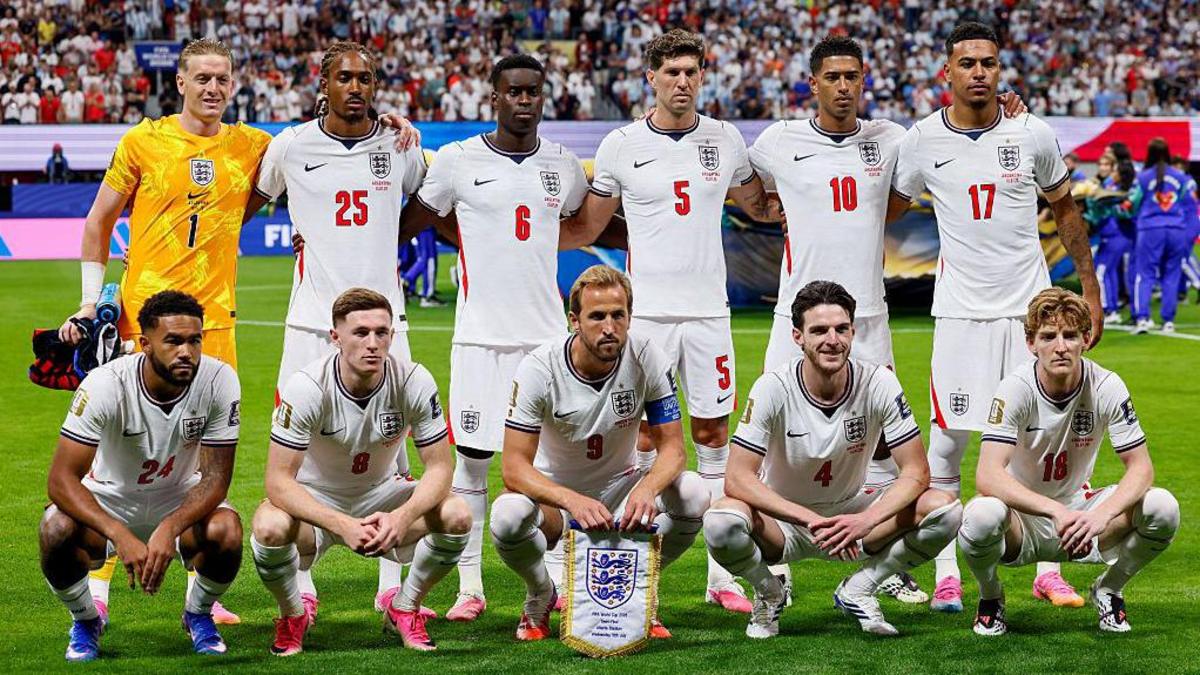
- Jude Bellingham was the player most targeted by volume of racist abuse; Bukayo Saka and Kobbie Mainoo experienced the highest proportion of racist posts relative to total mentions of their names.
- Djed Spence, who has converted to Islam, also faced a distinct stream of anti-Muslim abuse alongside the racist content, Hope Not Hate said.
- Ofcom is being urged to outlaw algorithms fueling abuse and designate major sporting events as 'high risk' under the Online Safety Act, forcing platforms to proactively remove abuse and downrank rapidly escalating viral hate.
- Ofcom said it is 'pushing tech firms hard' to make services safer and cited a pre-World Cup partnership with police and footballing bodies to tackle online abuse.
- The FA said players have the right to play without hateful, discriminatory online content and called on service providers to take 'all of the necessary steps to create a safer life online.'
Why it matters: Hope Not Hate is pushing Ofcom to use its Online Safety Act powers to designate major sporting events as 'high risk,' which would force X and other platforms to proactively remove abuse and downrank viral hate during tournaments. The group argues after-the-fact measures like blocking and suspensions fail because X's algorithm actively amplifies outrage-driven content that drives ad revenue.
Ask SkimNews