£1m grant funds endangered English shark study — SkimNews
Get the Health newsletter
Daily health & science — research, biotech, public health, the studies worth knowing. Free.
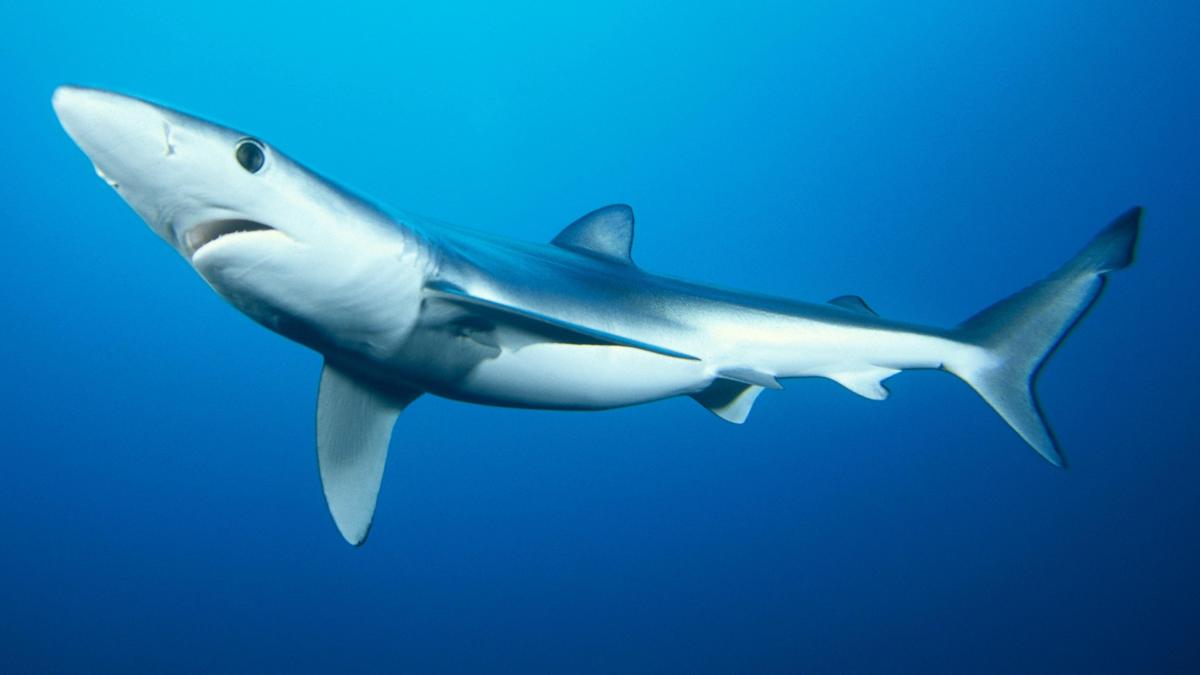
- Natural England's Species Recovery Programme awarded nearly £1m to study three endangered shark species: the blue shark, porbeagle, and tope.
- Electronic tracking tags will map migration routes, habitat areas, and how each species responds to catch-and-release by anglers.
- Ultrasound scanning will be used to identify pregnant sharks and locate potential pupping and nursery grounds.
- Anglers in Looe, Falmouth, and Brightlingsea will contribute catch records and join at least 45 structured interviews, sharing historical ecological knowledge.
- The project's findings will feed directly into England Red List reassessments and updated angler guidance designed to improve survival rates of released sharks.
- Dr Matthew Witt of the University of Exeter and Dr Bryce Stewart of the Marine Biological Association lead the project with the Angling Trust and Pat Smith Database.
Why it matters: The £1m pairs citizen-science catch data from 45+ anglers with satellite tagging and ultrasound scans across three coastal hubs. Because outputs feed directly into England Red List reassessments and angler handling guidance, recreational catch-and-release practices for blue shark, porbeagle, and tope could be formally revised within the project cycle to cut post-release mortality.
Ask SkimNews