A country that made huge progress on measles now reports 120,000 cases — SkimNews
Get the Health newsletter
Daily health & science — research, biotech, public health, the studies worth knowing. Free.
- Bangladesh has recorded over 120,000 suspected and confirmed measles cases and nearly 750 deaths—mostly children—since mid-March, according to government figures reported by the BBC, with the WHO noting the country had been making "substantial progress" toward elimination until then.
- Unicef attributes the surge to a "perfect storm": alleged delays in vaccine procurement by the interim government under Muhammad Yunus, COVID-era disruption to routine immunizations, no mass vaccination campaigns since 2020, overcrowding, and Eid holiday travel.
- The new government under Tarique Rahman claims it inherited a vaccine shortage upon taking office; Yunus's former top health official Syedur Rahman denies any shortage, telling the BBC that Unicef's communications "did not contain any specific warning about a potential measles outbreak."
- Unicef and the government launched an emergency vaccination campaign in April that has inoculated over 18.4 million children, though Bangladesh still records nearly 1,000 suspected measles cases per day on average.
- Public health expert Mushtuq Husain says the government is refusing to label the situation an epidemic and calls current figures "the tip of the iceberg"; the World Health Organisation had previously praised Bangladesh's progress with vaccination rates above 90%.
- The United Kingdom lost its measles elimination status this year and the United States has seen rising cases—both countries' under-fives fall below the 95% vaccination threshold needed for herd immunity.
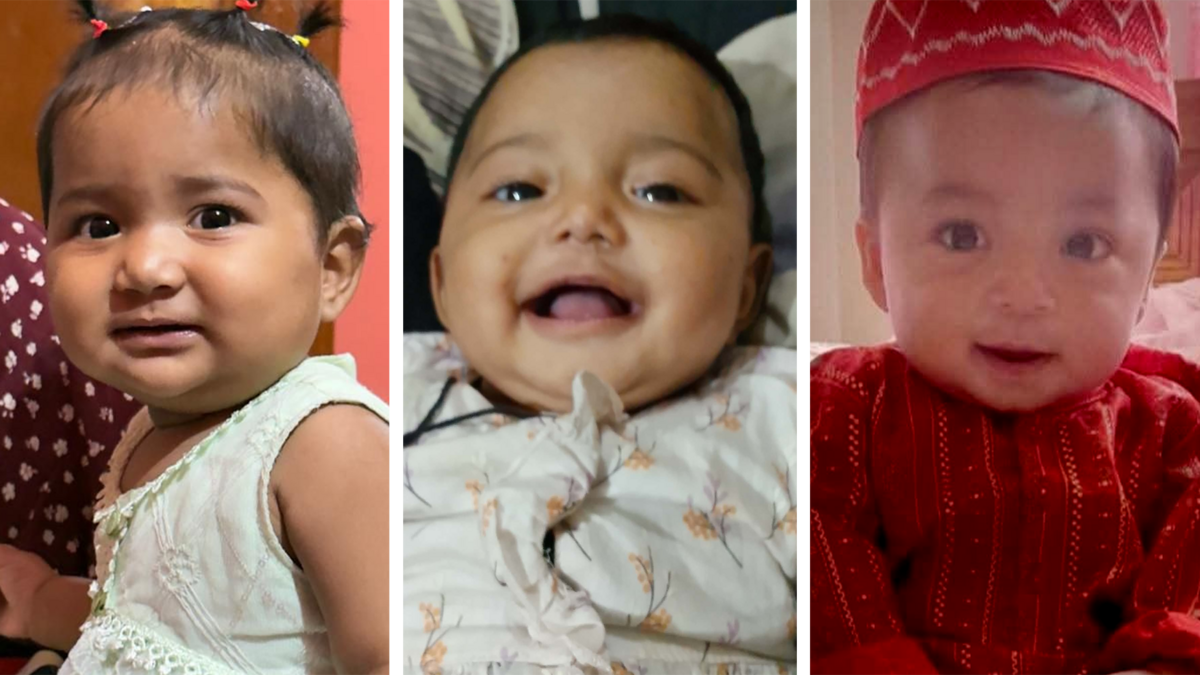
- The BBC documents the deaths of 10-month-old Maliha, turned away from multiple hospitals before dying, and 4-month-old Arafat, whose oxygen tubes were taped to his face at a Mymensingh hospital running at more than double capacity—he died days after the BBC's visit.
Why it matters: Bangladesh had vaccination rates above 90% and was on track to eliminate measles; the outbreak's reversal—from near-elimination to ~1,000 daily suspected cases and an overwhelmed hospital system—demonstrates how even brief interruptions in vaccine procurement can rapidly undo decades of public health progress, and the political blame game between the Yunus and Rahman governments leaves accountability unresolved while children continue dying.
Ask SkimNews