Buildings damaged in Israeli bombings risk collapse as rain inundates Gaza — SkimNews

Get the Geopolitics newsletter
Daily geopolitics — wars, elections, sanctions, the diplomatic moves that move markets. Free.
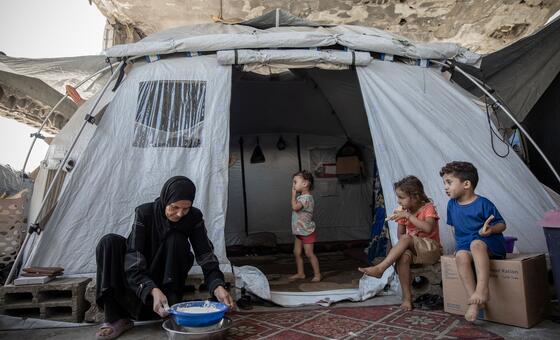
- Gaza recorded water levels rising 30–40 cm at several displacement camps after Saturday’s rain, prompting the territory’s civil defence agency to receive hundreds of calls; many tents in al-Mina, home to about 1,700 families, were inundated.
- Rana Adnan Hmeida said rainwater flooded her family’s tent overnight in al-Mina, soaking their bedding and clothes and leaving her two-month-old daughter and other children shivering.
- Raed Abu Amsha said the storm collapsed his tent onto his family in al-Mina, soaking the clothes and blankets of the nine children in his care, including four from his late brother.
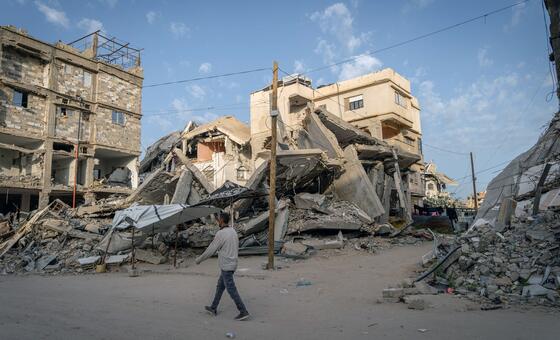
- Nasser al-Hajj said an Israeli strike on his Nuseirat tower block in September 2025 left a hole in his apartment ceiling; during the storm, he moved his children to a neighbour’s home, while an engineer warned of further falling rubble.
- OCHA reported that about 950,000 displaced people in Gaza live in flood-exposed areas, including more than 400,000 in high-risk zones; it also counted 44,000 people in structurally unsafe buildings and said supplies cover 18% of the 294,250 families needing shelter assistance.
- Gaza Municipality said 15 km of drainage lines and 212 km of sewage networks were damaged, eight pumping stations and three main stormwater basins were out of service, and the remaining system can handle no more than 20% of rainwater.
- Hosni Muhanna warned that more than 2,000 buildings in Gaza City could collapse, with city rubble exceeding 25 million tonnes, while shortages of fuel, equipment and spare parts limit drainage repairs.
Why it matters: For Gaza’s displaced families, the crisis is doubly material: OCHA says 950,000 people live in flood-exposed areas and 294,250 families need shelter help, but supplies cover 18% of that need. More than 400,000 people are in high-risk flood zones, while bomb-damaged housing adds leaking ceilings and falling rubble to the shelter shortfall.
Ask SkimNews