Lucid Cosmos Design Revealed: 300-Mile Range, Sub-$50K — SkimNews
Get the Energy newsletter
Daily energy & climate — solar, EVs, oil, the policy fights and tech bets shaping the transition. Free.
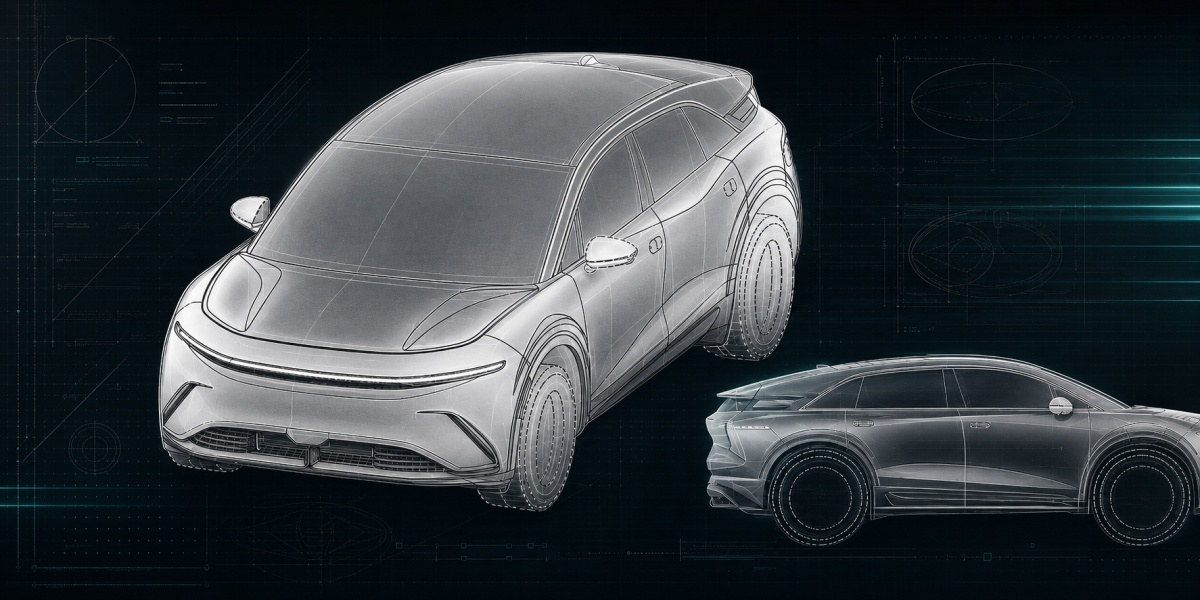
- Lucid filed the Cosmos design with the EUIPO under Registered Community Design No. 015142895, filed May 22 and published June 15 under corporate name Atieva Inc., with 100 individual views covering every angle inside and out.
- The Cosmos shares the Gravity's full-width front light bar and cab-forward proportions but adds a softer, more flowing side profile, sharply raked roofline, oversized nose emblem, and large 'LUCID' lettering across the tailgate.
- Lucid is positioning a performance variant at the top of the Cosmos range with a claimed 0-60 mph time of 3.5 seconds, with patent drawings showing a more aggressive front fascia and triangular rear corner vents.
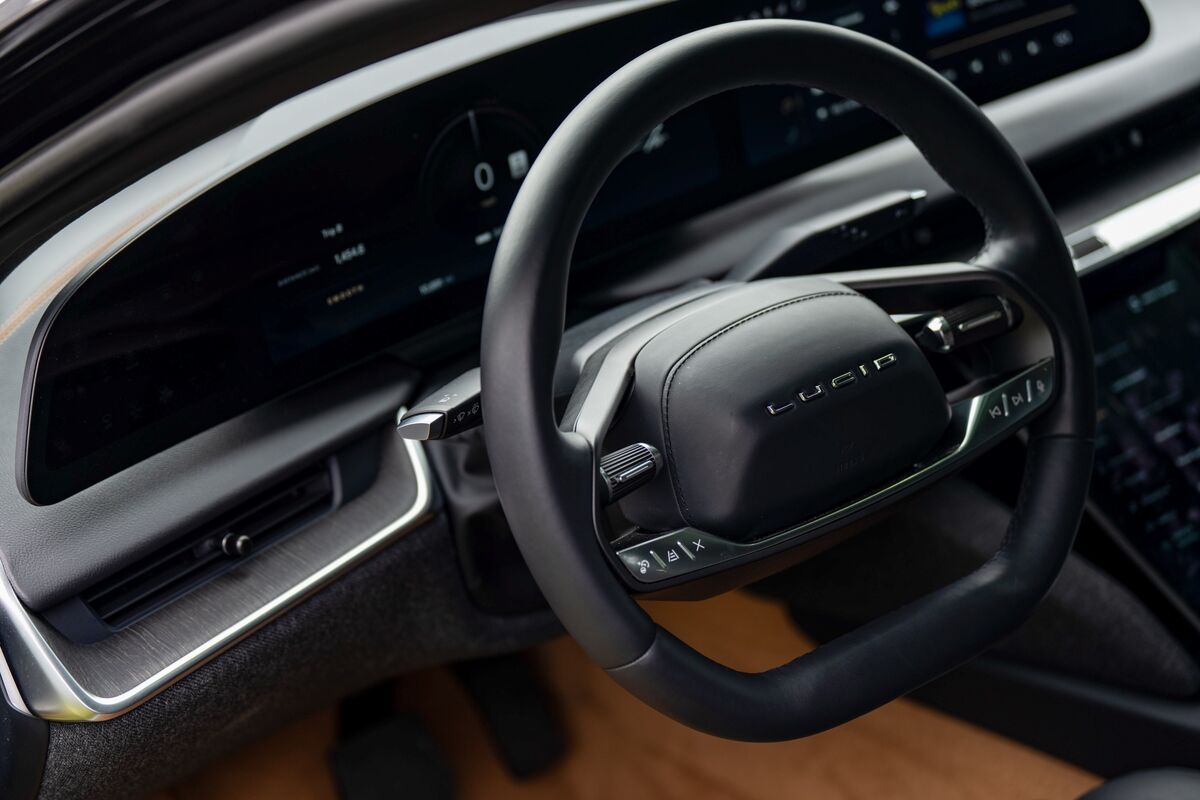
- The Cosmos interior abandons Lucid's curved multi-screen layout for a single large display spanning the dashboard, a design choice Lucid ties to robotaxi duty under its Uber partnership.
- Lucid targets 300 miles of range from a 69 kWh battery pack at up to 4.5 miles per kWh, powered by its new 'Atlas' drive unit that is 23% lighter and uses 30% fewer parts than current motors.
- The Cosmos claims a 0.22 drag coefficient and an 800-volt architecture rated to add 200 miles of range in 14 minutes, with bidirectional vehicle-to-home and vehicle-to-grid capability.
- Lucid's initial Cosmos production begins in Saudi Arabia late this year, with Arizona output following 6 to 12 months later, as the model is the first of three sub-$50,000 vehicles the money-losing startup needs to scale to profitability.
Why it matters: The Cosmos is Lucid's first mass-market EV and the volume play the company needs to reach profitability, targeting Tesla Model Y and Rivian R2 buyers at a sub-$50,000 starting price with 300 miles of range from a 69 kWh pack. Initial production starts in Saudi Arabia late this year, with Arizona output following 6 to 12 months later — and Lucid's 25,000-unit production goal already slipped into limbo after a bloated Q1 inventory.
Ask SkimNews