U.S.-Iran talks aim to end war, reopen Hormuz — SkimNews

Get the Geopolitics newsletter
Daily geopolitics — wars, elections, sanctions, the diplomatic moves that move markets. Free.
- Iranian officials are in Qatar for talks with the United States aimed at ending the nearly three‑month war and reopening the Strait of Hormuz.
- President Trump posted on Truth Social that the negotiations are “proceeding nicely” and later said the potential deal was “largely negotiated,” suggesting an imminent agreement.
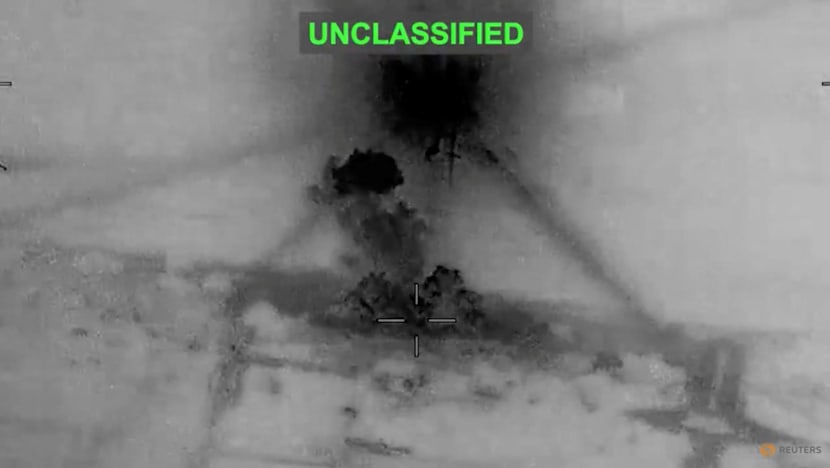
- U.S. conducted strikes in southern Iran, with explosions heard along the Strait of Hormuz and in Bandar Abbas, hours after Trump’s statements.
- Israel’s Prime Minister Benjamin Netanyahu said the Israeli Defense Force launched new attacks in southern Lebanon despite a ceasefire that has held since April 17.
- Iranian Foreign Ministry spokesperson Esmaeil Baqaei said the emerging proposal is a preliminary framework focusing on ending the war, with no discussion of nuclear details at this stage.
- The deal would require Iran to give up its stockpile of enriched uranium, with options for immediate U.S. control, destruction in place, or destruction elsewhere under an atomic energy authority.
- Sanctions waivers would be issued by the United States to let Iran sell oil and unfreeze billions of dollars in assets if the deal is reached.
Why it matters: The emerging agreement would let U.S. consumers and global markets benefit from a reopened Hormuz shipping lane and lower oil prices, while Iran would regain oil‑sale revenues and have frozen assets unfrozen; however, the concurrent U.S. strikes and Israeli operations highlight that any peace is precarious and could collapse if nuclear issues remain unresolved.
Ask SkimNews