Protect College Sports Act Stalls Over Associated Entities Language — SkimNews
Get the Sports newsletter
Daily sports — scores, transfers, the storylines from the leagues you actually follow. Free.
- The Protect College Sports Act was still unfinished late Wednesday night despite White House lawyers being sent to Capitol Hill, with a Senate staff member saying 'with every passing minute, odds are slimmer that we can move the bill before the August recess' — cloture must be filed by Thursday for a realistic floor vote next week.
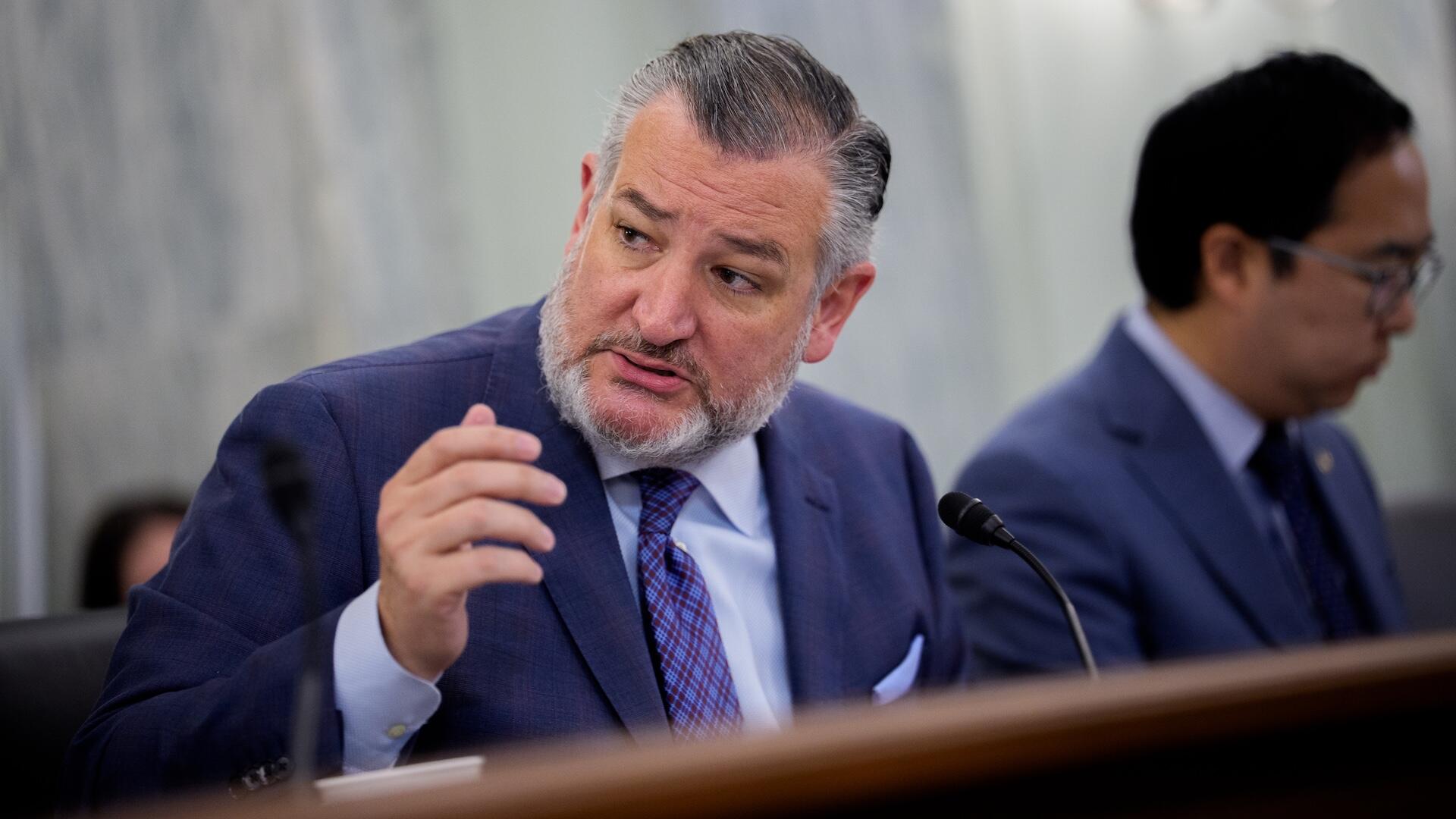
- The Big Ten and SEC missed the 9 a.m. Wednesday deadline set by bill co-authors Sens. Ted Cruz, Maria Cantwell, and Eric Schmitt; Big Ten athletic directors met for nearly four hours in Chicago and the conference canceled a 7 p.m. call with its presidents, with the specific sticking point being 'associated entities' language that congressional staff had not formally presented.
- The revised bill creates a $20 million retention pool exception above the existing revenue-share cap plus up to an additional $5 million for women's institutional NIL — a combined structure approaching but not fully matching the $25 million the conferences originally requested, with the $20 million figure still being negotiated late Wednesday.
- Title III of the revised bill — the 'Ignite HBCUs Sports and Media Act' — appeared Tuesday with no advance notice to conference leadership; commissioner Tony Petitti told CBS Sports 'We didn't have any indication it was coming' and said he wasn't sure what it means.
- The four power conferences are preparing contingency plans if the bill collapses, including negotiating changes to the House v. NCAA settlement to mirror new revenue-cap standards or developing a self-governance model, per Petitti.
- Learfield CEO Cole Gahagan told Yahoo Sports that rolling all associated-entity deals into the cap risks sweeping up legitimate commercial contracts alongside the redirected funds the conferences are trying to stop.
Why it matters: If cloture isn't filed by Thursday, the bill almost certainly dies before Congress's month-long August recess, scrambling the political coalition heading into midterm season and forcing the Big Ten, SEC, ACC, and Big 12 to either renegotiate the House v. NCAA settlement or build a self-governance alternative — all while the NCAA's revenue-share framework remains legally exposed.
Ask SkimNews