Japan Deploys Missiles Capable of Hitting Shanghai — SkimNews
Get the Geopolitics newsletter
Daily geopolitics — wars, elections, sanctions, the diplomatic moves that move markets. Free.
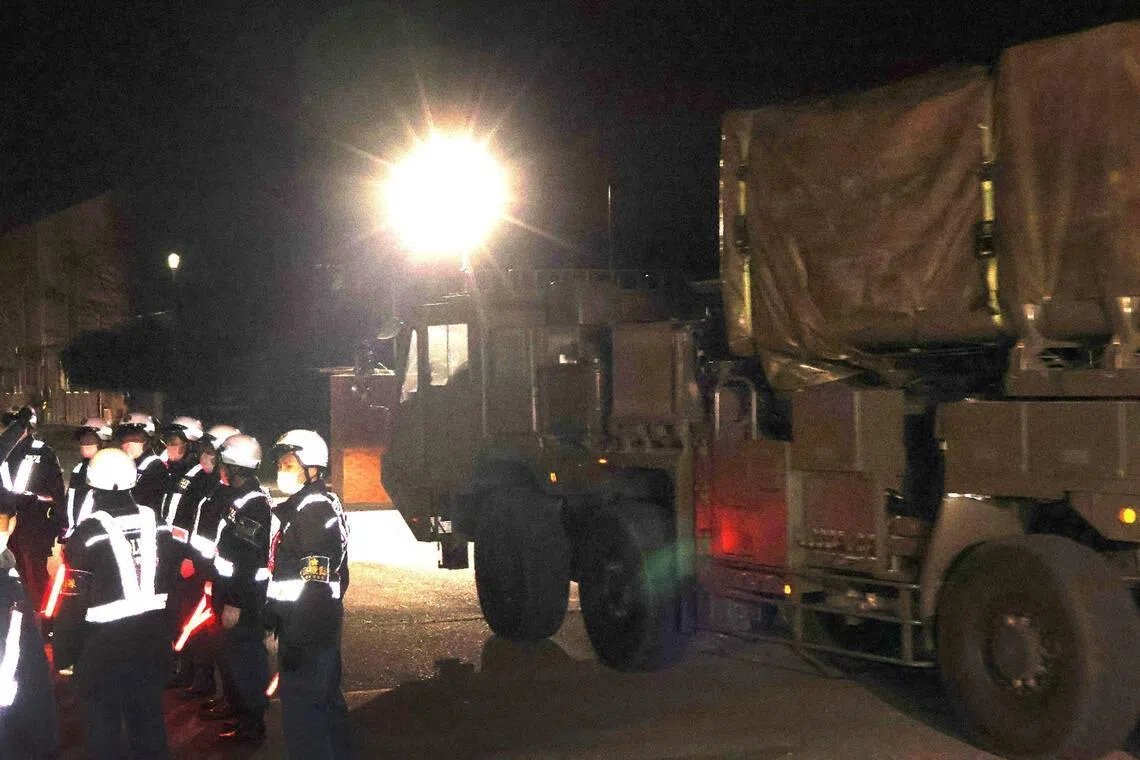
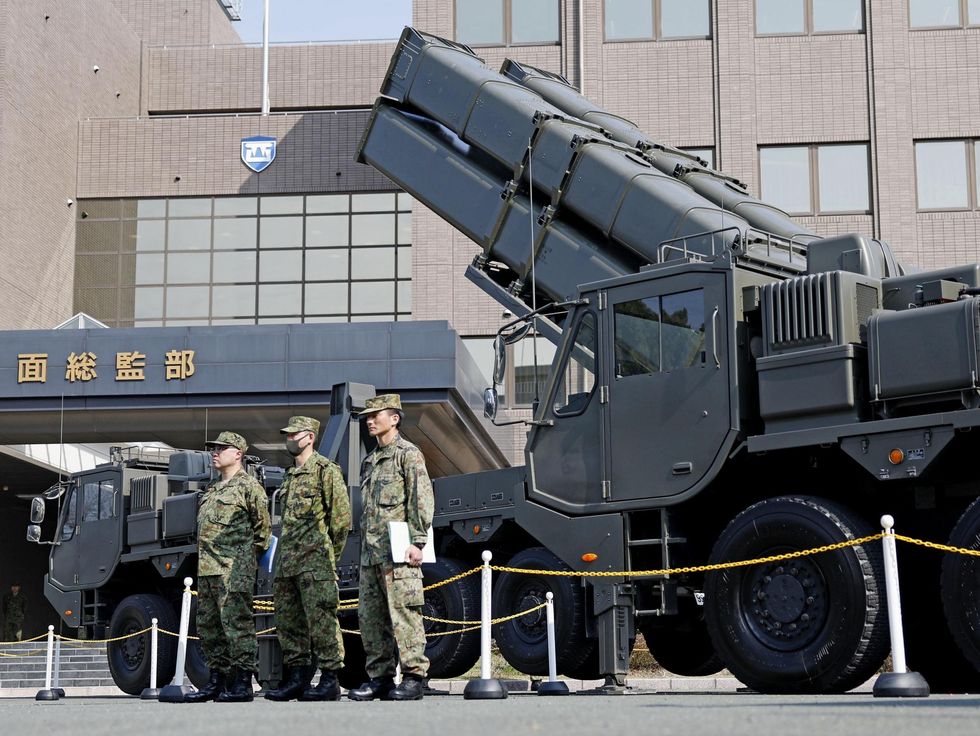
- Japan deployed its new Type 25 long-range missile with a 600-mile range to Camp Kengun on March 31, capable of reaching Shanghai and marking a major shift from its previous 120-mile-range missiles.
- Japan deployed the Hyper Velocity Gliding Projectile (HVGP), its first hypersonic weapon, at Camp Fuji on March 31, with the State Department approving $340 million in U.S. equipment sales to support the program a week earlier.
- China condemned Japan’s long-range missile deployments as exceeding self-defense needs, warning that 'neo-militarism is casting a long shadow over regional peace and stability'.
- Prime Minister Sanae Takaichi affirmed Japan’s willingness to militarily intervene if China blockades Taiwan, breaking with decades of restraint and prompting China’s foreign minister to say Japan had 'crossed a red line'.
- Defense Minister Shinjiro Koizumi cited increased Chinese warship activity and a December incident where Chinese fighters locked Japanese jets with radar near Okinawa as justification for Japan’s expanded strike capabilities.
- The U.S. is materially supporting Japan’s long-range strike expansion through arms sales and base access, deepening its entanglement in Japan-China tensions despite risks of being drawn into regional escalation.
Why it matters: Japan’s new counterstrike posture, backed by U.S. equipment and basing support, increases the likelihood of miscalculation in a crisis—where a single incident could trigger a chain reaction pulling the U.S. into conflict. The $340 million U.S. sale and shared bases make Washington a direct enabler, not just a bystander.
Ask SkimNews