US Depletes Tomahawk and THAAD Missiles in Iran War

SkimNews Take
The U.S. military's reliance on high-cost precision munitions for immediate conflict resolution is revealing a critical vulnerability in its long-term strategic readiness.
Get the Geopolitics newsletter
Daily geopolitics — wars, elections, sanctions, the diplomatic moves that move markets. Free.
- Operation Epic Fury used over 850 Tomahawk missiles in the first month of the Iran war, representing roughly 30% of the U.S. Tomahawk stockpile built since the 1980s.
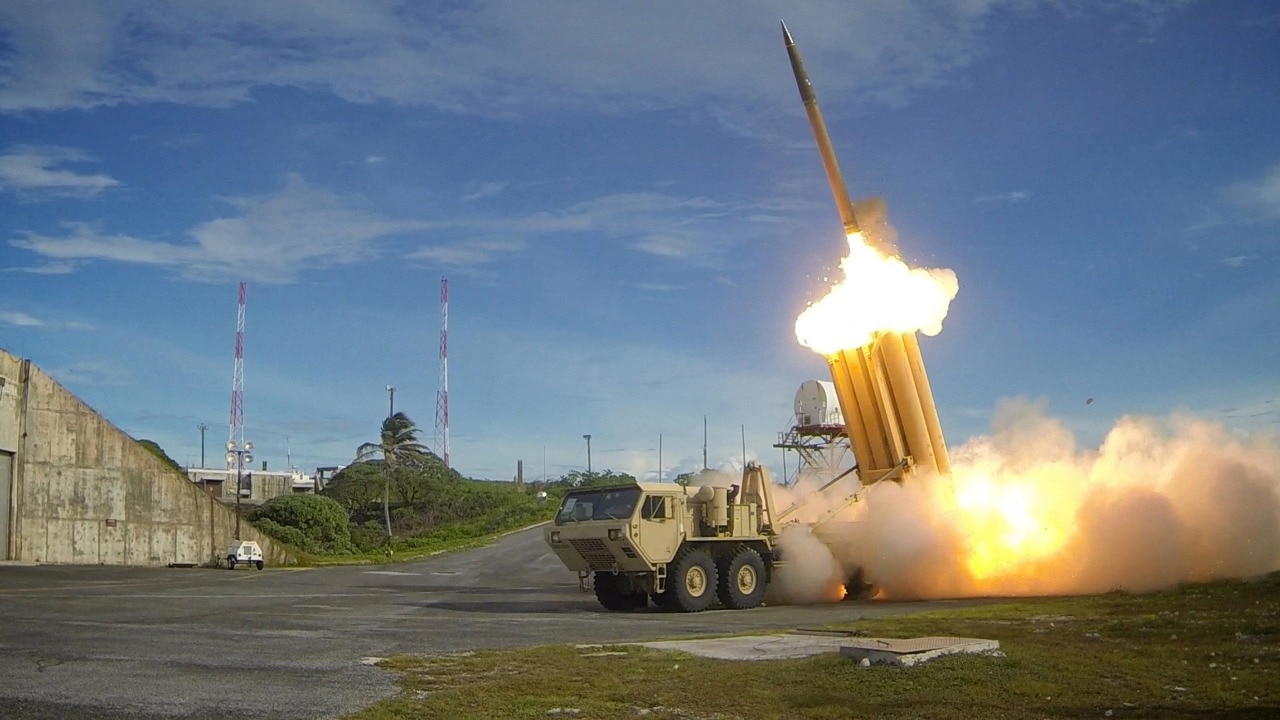
- U.S. THAAD systems have expended between 50% and 80% of their interceptor missiles in the Iran conflict, with eight THAAD units deployed and some munitions sent from a Korean THAAD system.
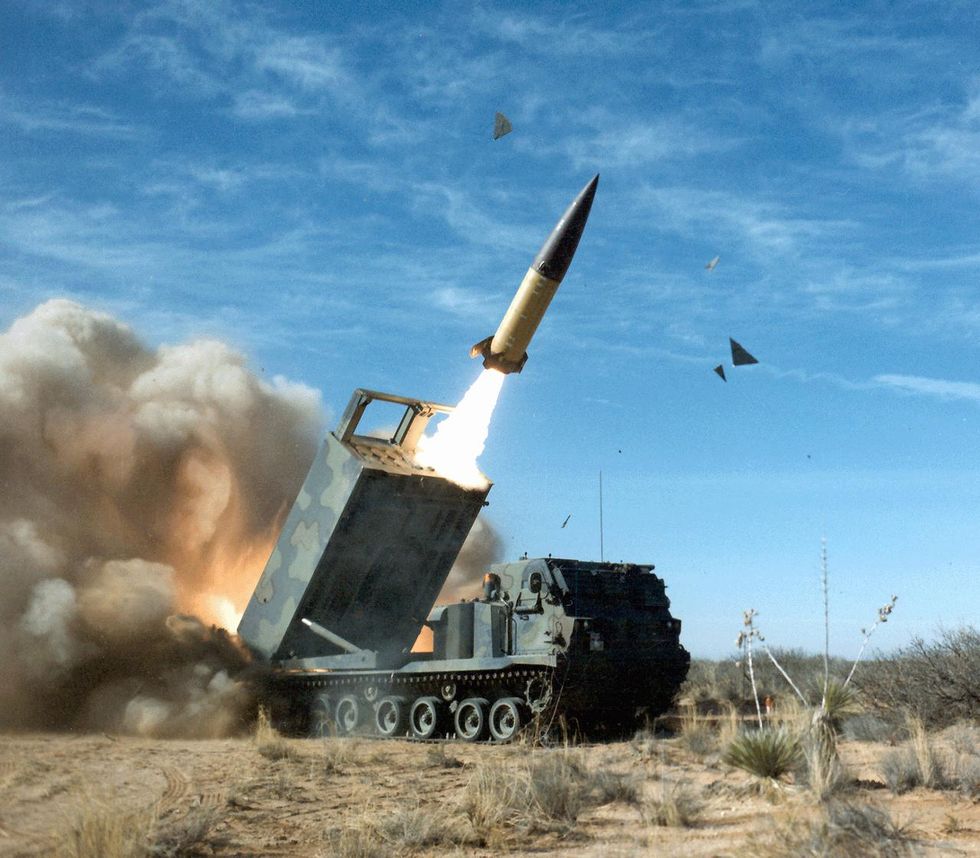
- Surface‑to‑surface missiles with 200‑250‑mile range have been employed at rates analysts deem unsustainable for continued high‑intensity operations.
- Missile production requires 18‑24 months for component manufacturing and assembly, prompting the United States to divert missiles from other regions and seek new funding.
- LUCAS drones, low‑cost unmanned combat attack systems based on Iran’s Shahed design, are being fielded as alternatives but are less effective and raise risks to ships, service members, and civilians.
- U.S. arms exports, accounting for 43% of global arms sales, are stretched across commitments to Ukraine, Taiwan, and Israel, causing delays in weapons deliveries.
Why it matters: The depletion of Tomahawk and THAAD missiles reduces the U.S. ability to sustain high‑intensity strikes and defend assets abroad, while allies such as Ukraine, Taiwan, and Israel may face delayed arms deliveries; rivals China and Russia can study the shortfalls to adjust their own strategies.
Ask SkimNews