US Depletes Long-Range Missiles in Iran War — SkimNews
Get the Geopolitics newsletter
Daily geopolitics — wars, elections, sanctions, the diplomatic moves that move markets. Free.
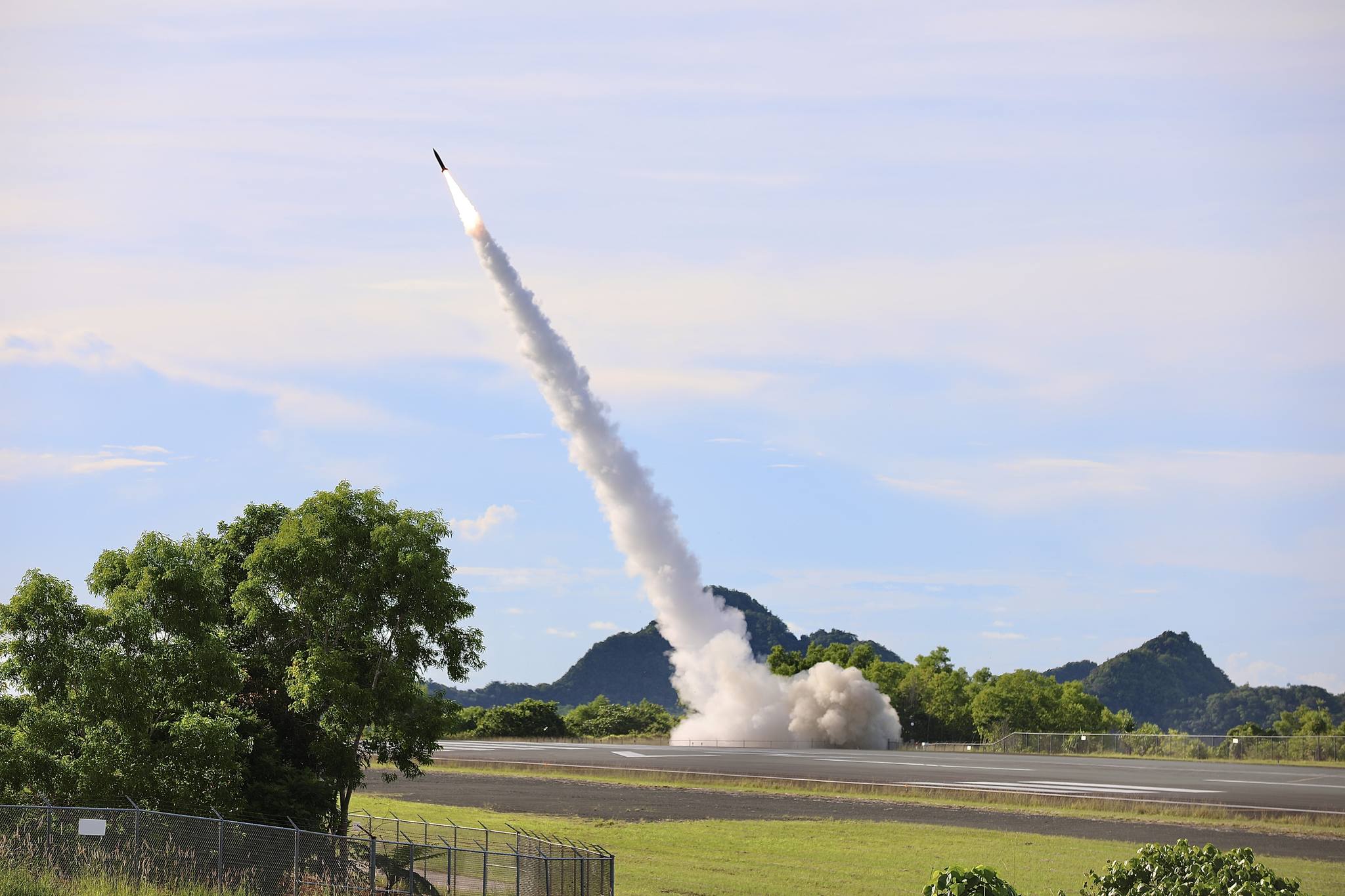
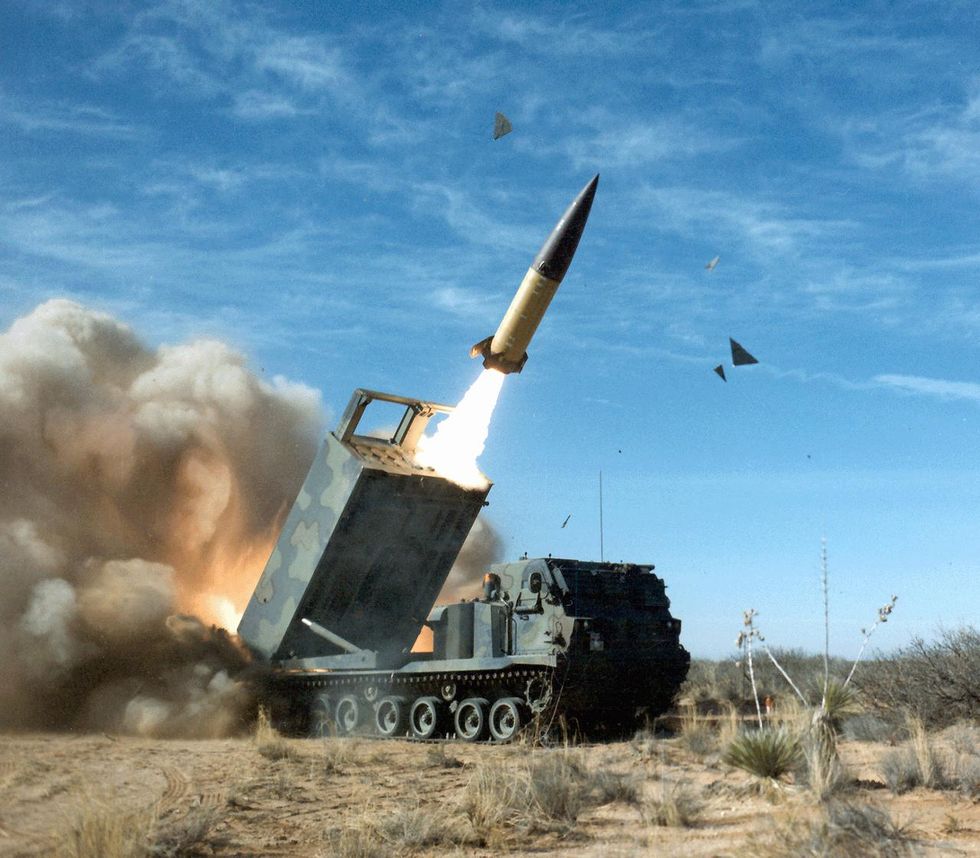
- US Army has used "virtually all" of its ATACMS and Precision Strike Missile (PrSM) stockpiles during the five-month Iran campaign, with three sources telling Reuters that supplies have fallen sharply as the conflict dragged on far longer than initially expected.
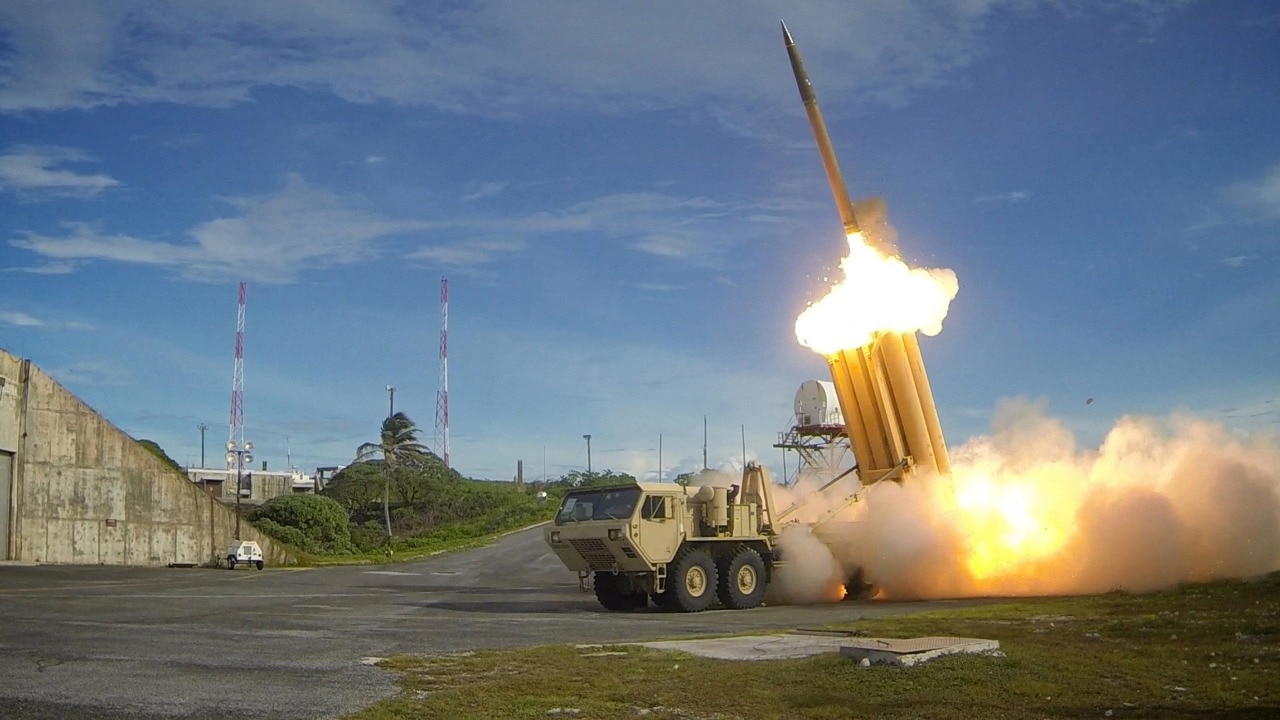
- Pentagon stockpiles of defensive weapons have also declined sharply: CSIS estimates around 65% of Patriot missile interceptors and at least 38% of THAAD ballistic missile interceptors were used between February and July, figures Reuters sources said broadly matched internal US government data.
- US Navy has used nearly half of its global inventory of Tomahawk cruise missiles since the conflict began, though Reuters said it could not independently verify that figure.
- US Central Command nearly exhausted the land-based missiles allocated before the war began but replenished supplies by drawing from stockpiles stationed in other parts of the world, according to a fourth source.
- Trump rejected the shortage concerns, stating that defense companies are "making more munitions than they have ever made before" and that the US still has "far more munitions than anyone in the world," while Pentagon spokesperson Sean Parnell said the military "has everything it needs to execute at the time and place of the President's choosing."
- Lockheed Martin and Raytheon, which manufacture ATACMS, PrSM, Patriot, and Tomahawk systems, both declined to comment on stockpile levels when contacted by Reuters.
- Congress has not received a declaration of war or authorization for the use of military force since the Iran conflict began, leaving broader questions about the legal basis for continued military operations.
Why it matters: The drawdown of roughly 65% of Patriot interceptors and the near-exhaustion of ATACMS and PrSM stockpiles directly undermines US deterrence posture against China and Russia, the two rivals military analysts say these long-range munitions are most needed against. A conflict Trump predicted would be brief has now consumed weapons the Pentagon cannot quickly replace, even as production ramps to record levels.
Ask SkimNews