US Exhausted Precision Missiles in Iran War — SkimNews
Get the Geopolitics newsletter
Daily geopolitics — wars, elections, sanctions, the diplomatic moves that move markets. Free.
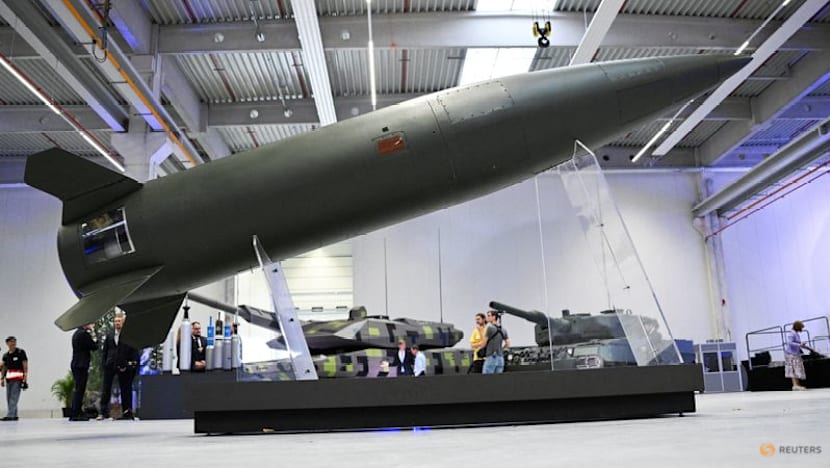
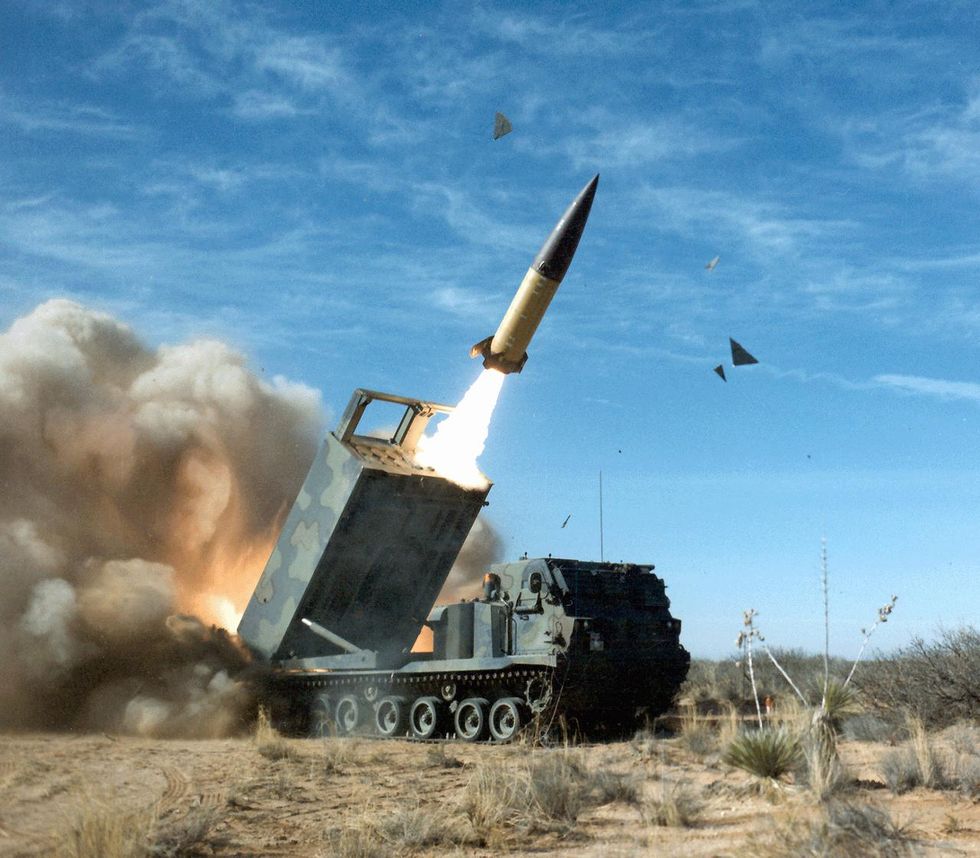
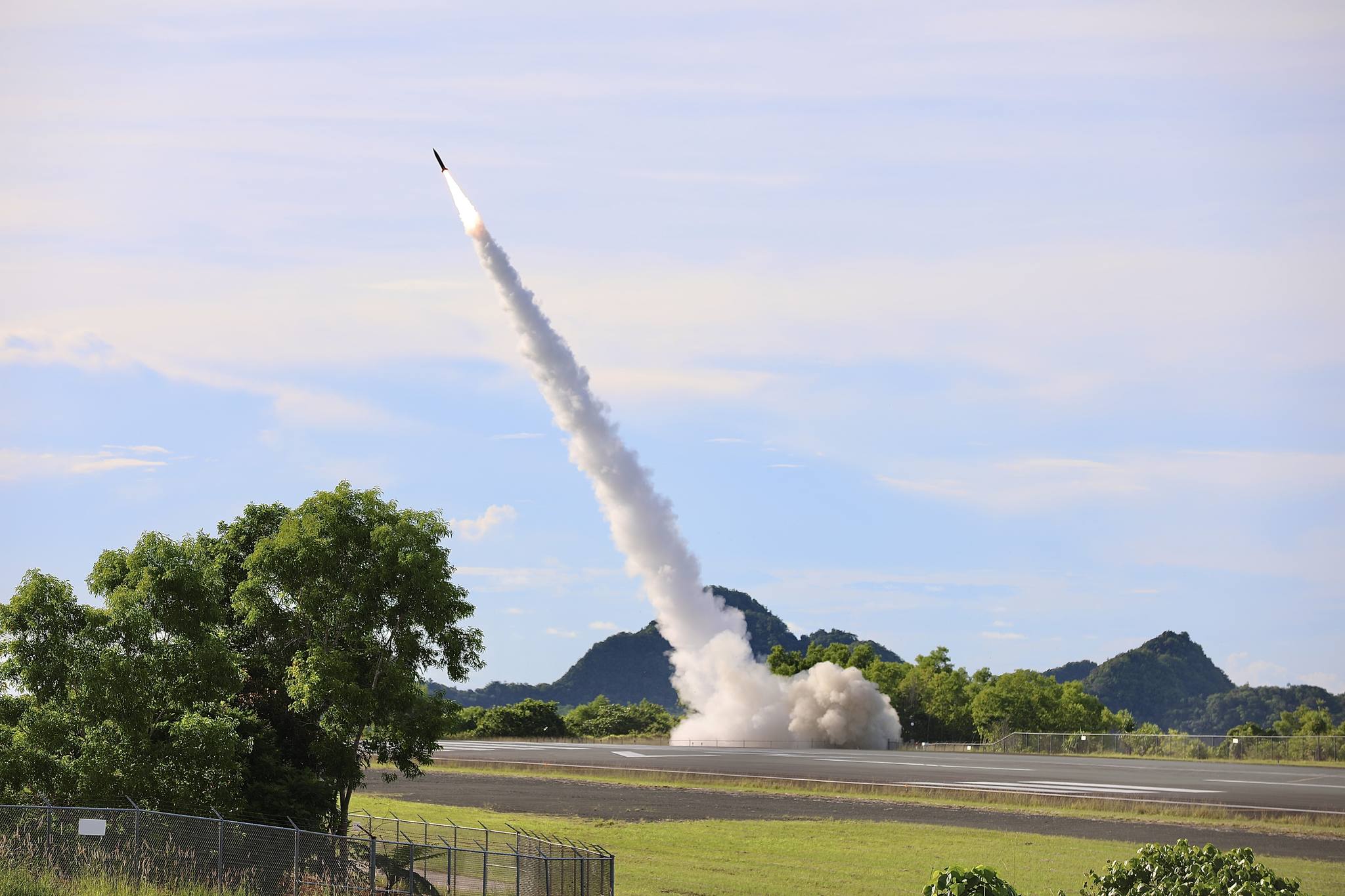
- U.S. Army sources say the military used 'virtually all' of its ATACMS and Precision Strike Missile (PrSM) stockpiles during the five-month Iran war, though CENTCOM has been able to reload from supplies stationed elsewhere in the world.
- ATACMS and PrSM missiles, which cost over $1 million each and allow strikes from a safe distance, are considered critical for any potential conflict with China, raising concerns about U.S. readiness against adversaries with strong air defenses.
- CSIS estimated that between February and July, about 65% of Patriot interceptors and at least 38% of THAAD ballistic missile interceptors were expended — figures two sources said match internal U.S. data.
- Trump, who launched the war jointly with Israel in February predicting a short conflict, responded that the U.S. has 'far more munitions than anyone in the world' and that defense companies are producing at record levels, though analysts cautioned production may fall short for a prolonged war.
- Raytheon has reached a tentative multi-year agreement with the Pentagon to boost Tomahawk cruise missile production, after the U.S. burned through nearly half of its global Tomahawk supply since the war began, according to one source.
- Military leaders warned Trump for weeks that stockpiles were dwindling, contributing to his decision not to launch another massive offensive inside Iran — though a U.S. official disputed that account, saying Gulf state pressure drove the choice.
- Lockheed Martin, maker of ATACMS, PrSMs, and THAAD systems, did not immediately respond to questions about supply levels; the war has proceeded without a congressional declaration of war or authorization to use military force.
Why it matters: A war Trump predicted would be short has now drained 'virtually all' of the Army's long-range precision missiles, 65% of Patriot interceptors, and nearly half of Tomahawk cruise missiles — leaving the U.S. less able to respond to simultaneous crises elsewhere, particularly a China contingency. With CSIS confirming production may lag a prolonged conflict, the depletion forces a choice between continued strikes on Iran and preserving deterrence against Russia and China.
Ask SkimNews