US slaps import ban on Canadian alcohol and other goods — SkimNews

Get the Geopolitics newsletter
Daily geopolitics — wars, elections, sanctions, the diplomatic moves that move markets. Free.
- Donald Trump signed executive orders on Tuesday banning imports of Canadian alcoholic spirits, dairy goods (including whey), and motor vehicles effective 29 September, accusing Canada of "discriminating" against US businesses by restricting distribution of American products while not restricting goods from other countries.
- Canada's dollar-for-dollar retaliatory tariffs on US steel, clothing, and furniture came into force after midnight on Tuesday, directly prompting the new US import restrictions.
- Mark Carney said in a video address that Canada's pivot away from the US as its largest trading partner "will come at a cost," though both sides have said they would like a deal and no new talks are scheduled after negotiations collapsed in late August.
- The White House last month imposed 50% tariffs on roughly $20bn (£14.8bn) of Canadian goods — hitting furniture, wine, sporting and fishing equipment — after several rounds of talks broke down.
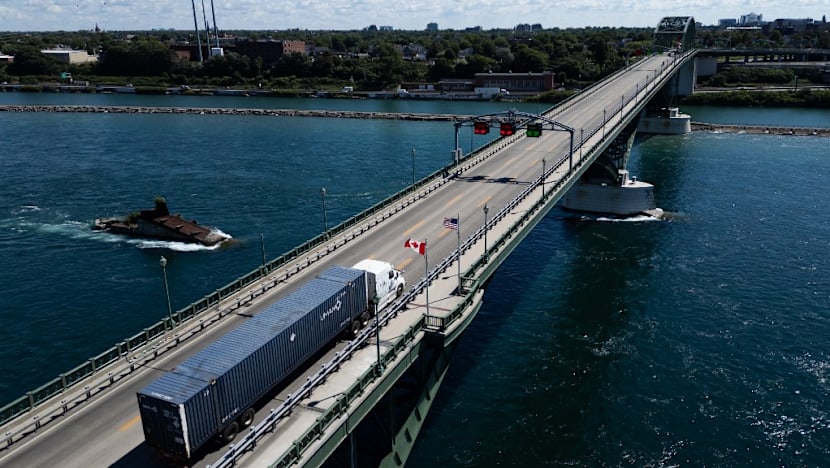
- More than two-thirds of Canada's total exports flow to the US, making it Canada's largest trading partner, while Canada ranks as the US's second-largest trading partner behind Mexico with far more diversified exports.
- Trump on Monday warned Bombardier it can no longer sell aircraft in the US unless it relocates manufacturing there, signalling sector-specific escalation beyond the executive-order import bans.
- The US-Canada dispute has spilled beyond tariffs into cultural territory: in August, Trump ordered Lake Ontario renamed Lake America, drawing backlash from Canadians and some Americans.
Why it matters: Business owners on both sides of the border have publicly warned of rising prices and declining customers as tariffs stack on top of tariffs. With more than two-thirds of Canada's exports dependent on the US market, Canada's economy absorbs the asymmetric hit — and the fight has now spread from trade policy into symbolic gestures like renaming Lake Ontario.
Ask SkimNews