Why the social media ban is about so much more than social media — SkimNews
Get the Tech newsletter
Daily tech — startups, AI labs, chips, the launches that shape the next decade. Free.
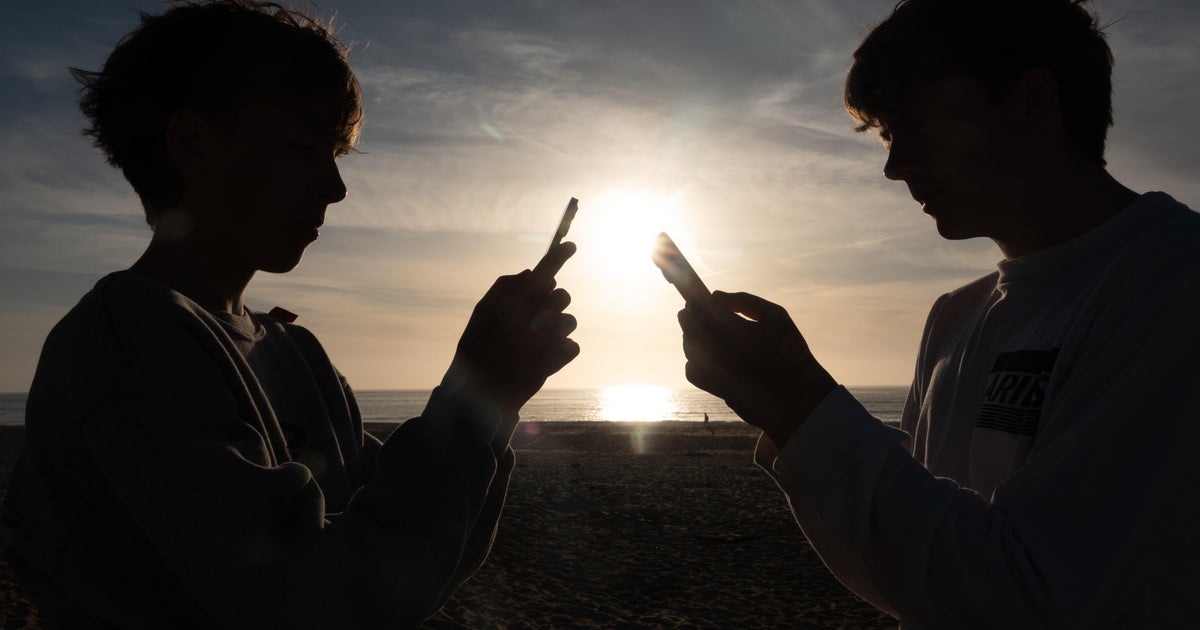
- UK government plans to introduce a social media ban for under-16s from next spring, potentially the biggest-ever change to UK internet access, with millions expected to share official ID including date of birth to verify age on a wide range of platforms.
- YouTube is included in the proposed ban, prompting concern from educators like Dr Tom Crawford (aka Tom Rocks Maths, 250,000 YouTube subscribers) who argues it strips teenagers of a primary learning tool, from tying a bow tie to revising GCSE bearings.
- Australia's similar ban, introduced in December 2025, has failed to block most young users — 7 in 10 under-16s who had social media accounts before the ban still have some access, according to the country's e-safety commission.
- An online e-petition calling on the government not to ban social media for under-16s, arguing it is "a lifeline" for many young people, gained more than 100,000 signatories in just a few days.
- Elon Musk posted that "the real goal is to enable the UK government to track everyone" — a claim the government denies, though civil liberties groups including Index on Censorship and Big Brother Watch echoed similar concerns this week with the launch of a campaign called Stop Killing the Internet.
- Asa Raskin, who invented the concept of infinite scrolling 20 years ago, now regrets it, accusing tech companies of "weaponising" his idea to keep users hooked — "not to help people but to keep them hooked," he told the BBC.
- Professor Amy Orben, a Cambridge psychologist who has advised the government, said evidence links social media use to only a small decrease in mental health for large populations and criticised tech firms for offering "exceptionally little data on their internal research."
Why it matters: If implemented as described, the ban could fundamentally reshape how millions of UK teenagers access both entertainment and educational content — YouTube's inclusion alone threatens a resource used daily for learning. Critics from Musk to Big Brother Watch argue the age-verification infrastructure will hand Big Tech masses of personal data while, per Australia's experience, failing to stop determined teenagers from finding workarounds.
Ask SkimNews