Lack of wildfire reform is having ‘dire and escalating impacts’: SCE — SkimNews
Get the Energy newsletter
Daily energy & climate — solar, EVs, oil, the policy fights and tech bets shaping the transition. Free.
- Pedro Pizarro said SCE needs a long-term wildfire reform package with a clear, durable liquidity source for funding claims and a shareholder liability cap not connected to the Wildfire Fund. He said other elements may be needed to send a bill to the governor by the November 15, 2026 constitutional deadline.
- Pedro Pizarro echoed PG&E CEO Patti Poppe’s concerns about credit-rating stability and customer impacts, and said failure in 2026 would carry reform efforts into a new governor and legislature in 2027, with costly consequences for customers and the economy.
- Aaron Moss estimated that elevated credit spreads could cost SCE customers an incremental $300 million over the life of the bonds it expects to issue in 2027.
- California Legislature did not advance Gavin Newsom’s proposal in September to amend a wildfire reform bill limiting utility liability; the news sent Edison International’s stock down 23%, although no final vote occurred and work was set to continue.
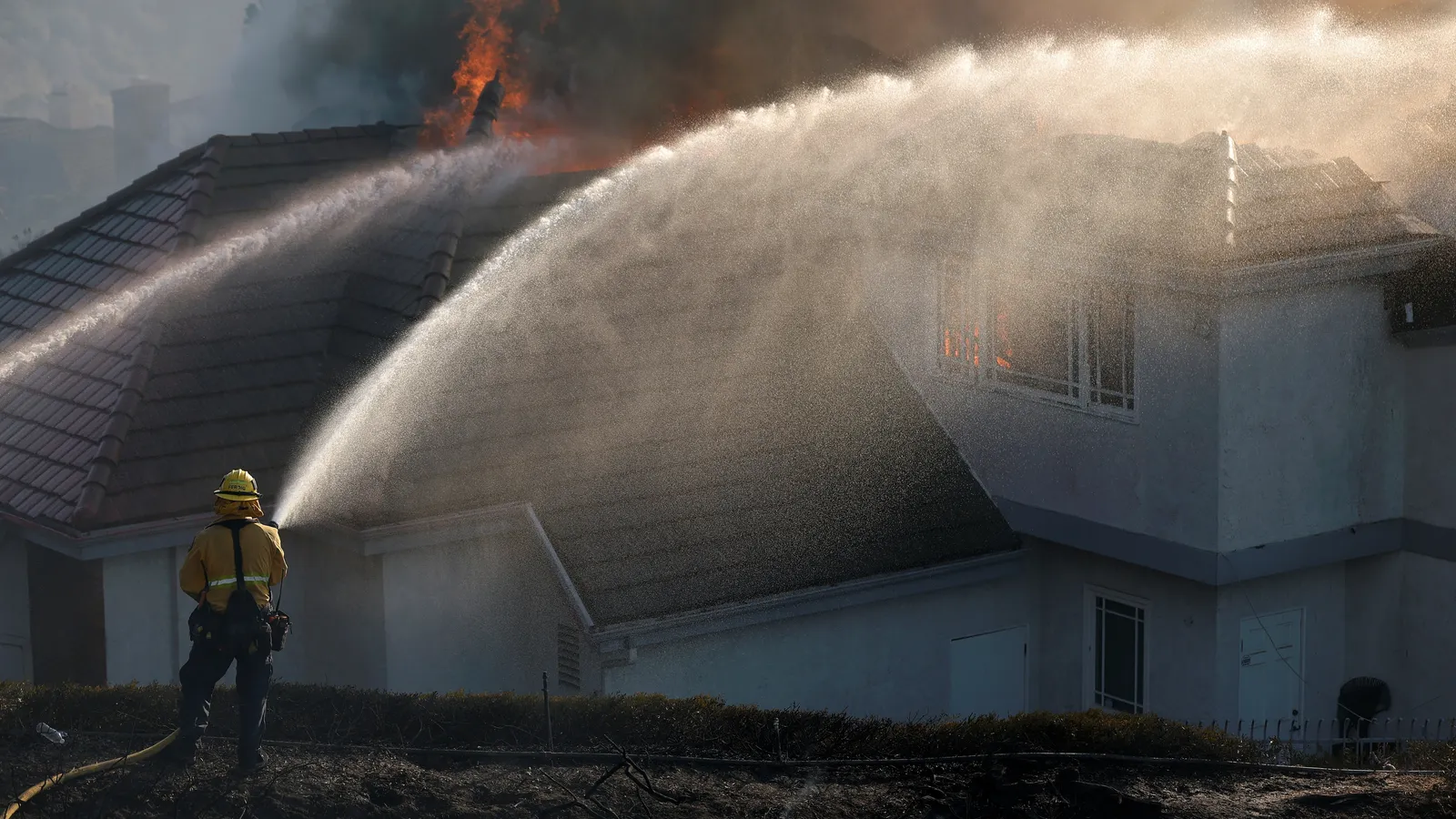
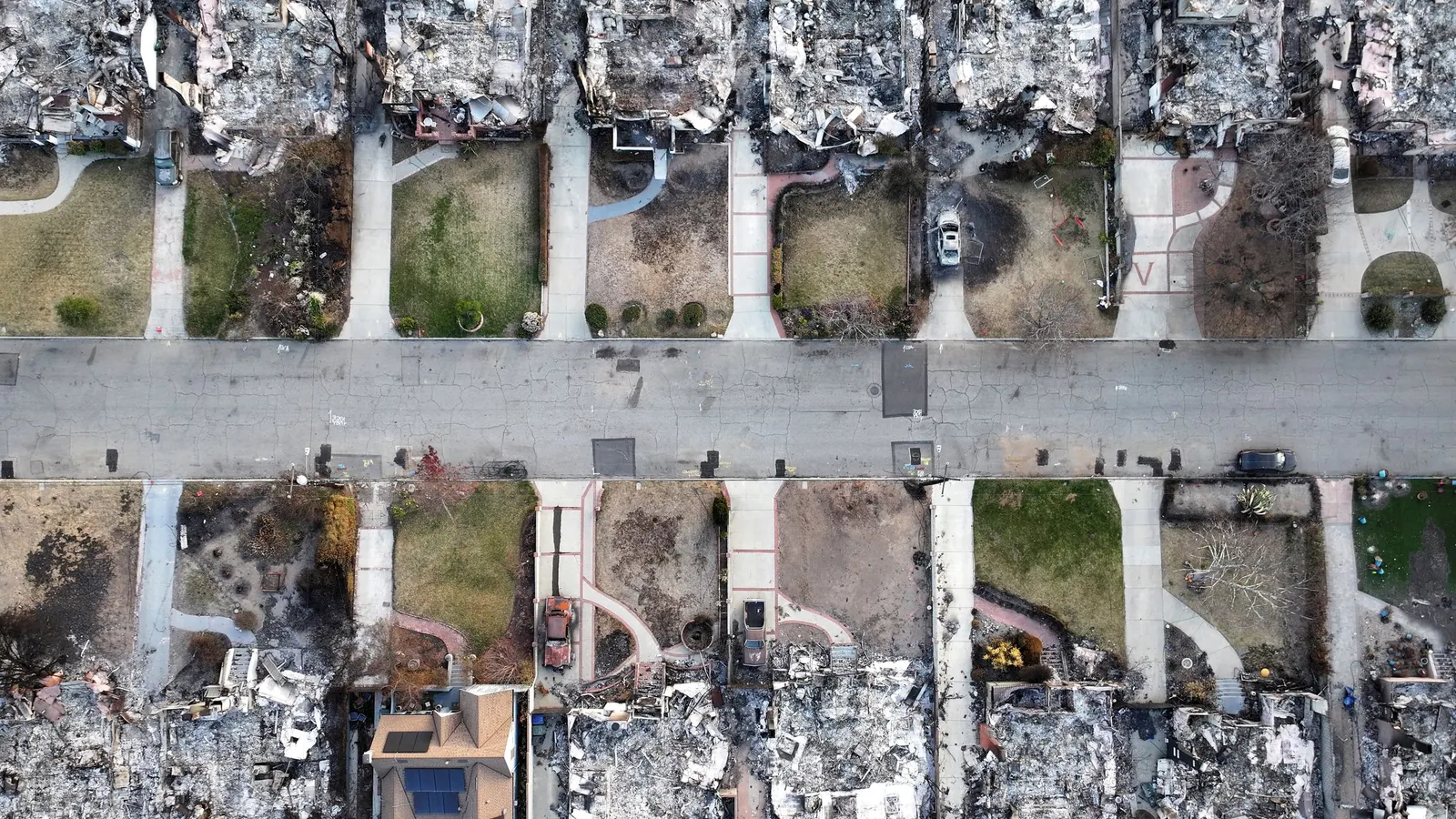
- SCE is named in around 2,000 Eaton Fire lawsuits from 38,000 plaintiffs and had recorded $1.8 billion in settlement losses as of September 30, 2026, plus expected recoveries of $917 million from customer-funded self-insurance, $859 million from the Wildfire Fund and $70 million through FERC electric rates.
- Edison International reported 2026 year-to-date core earnings of $1.88 billion versus $1.8 billion in 2025, even as third-quarter core earnings fell from $901 million to $738 million; excluding a 55-cent 2025 rate-case true-up, the company described core operations as stable.
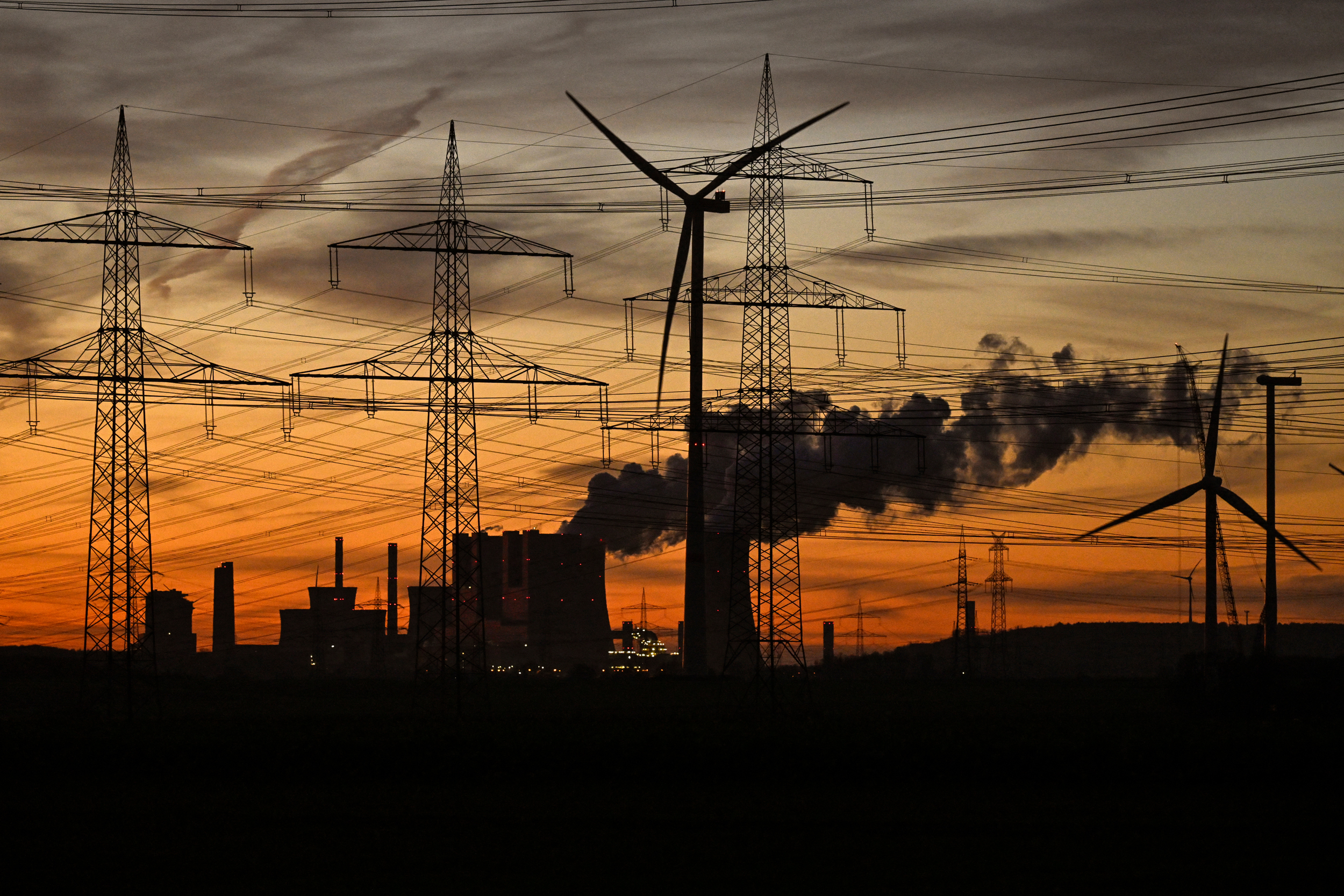
- SCE forecasts $38–41 billion of investment from 2026 through 2030, with 22% each for load growth/electrification and infrastructure replacement, 14% for maintenance/inspections and 12% for wildfire management. Without durable reform, Aaron Moss said safety, reliability and compliance would take priority, leaving less for load growth and clean-energy policy.
Why it matters: Without durable reform, SCE’s $38–41 billion 2026–2030 investment plan would tilt toward safety, reliability and compliance, leaving less for load growth, electrification and clean-energy policy. California customers therefore face more than a legal liability debate: the unresolved reform fight is already a capital-allocation issue.
Ask SkimNews