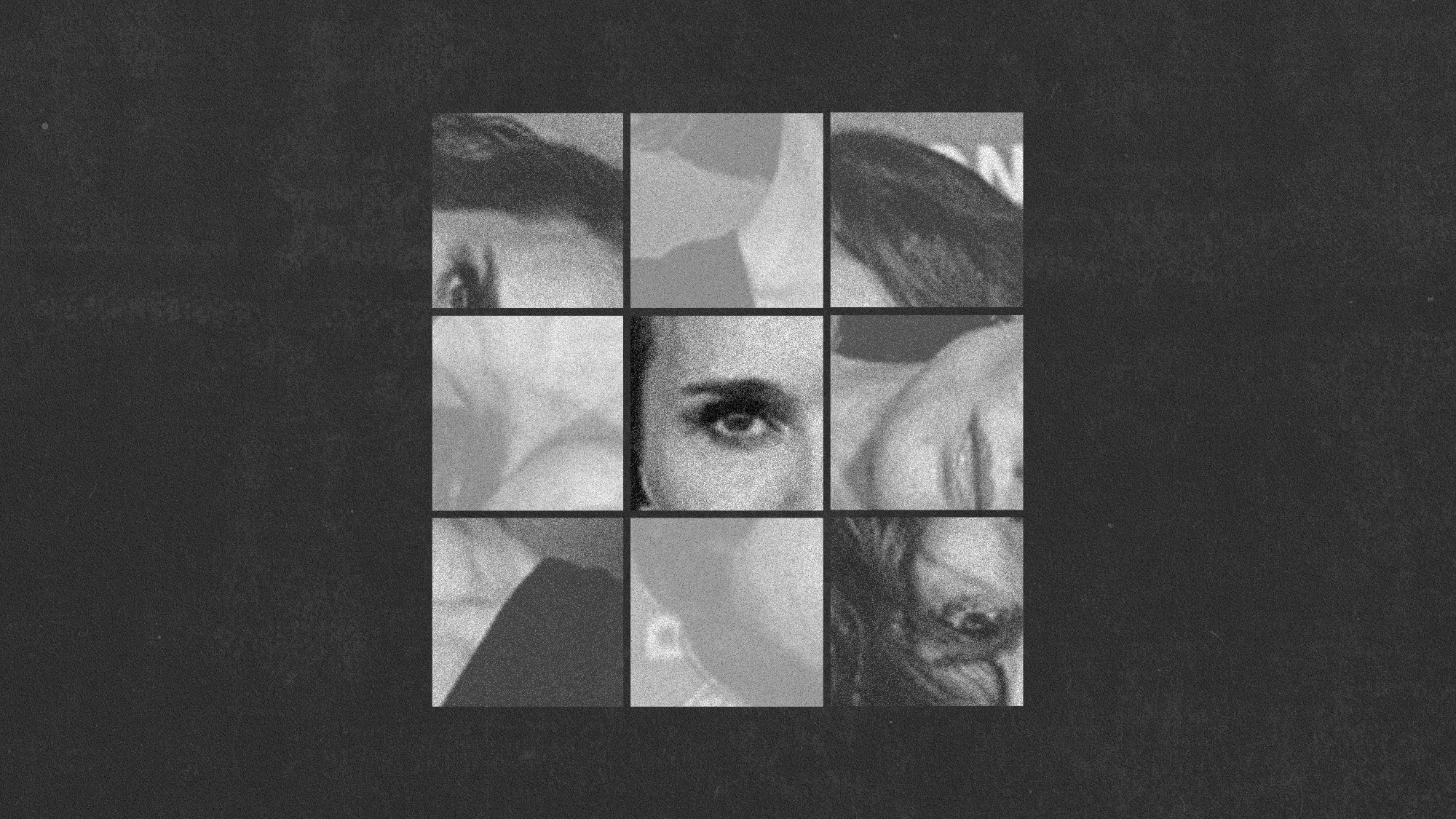
Fiona Mozley's Awake Awake Explores False Memories — SkimNews
Get the Culture newsletter
Daily culture — film, music, books, the trends and ideas worth your attention. Free.
- Fiona Mozley published "Awake Awake," her third novel after the Booker-shortlisted "Elmet" (2017) and "Hot Stew" (2021), and the review notes it leans into philosophical and metaphysical uncertainty about memory.
- The novel is set in York and frames personal and historical memory as entangled rather than opposed, with the city recalled as a place 'full of time and times.'
- Mary Mooney, the narrator and a novelist whose first book is also shortlisted for a major prize, eventually reveals that some of her memories of literary success involve people she never met — 'wraiths' — producing what the reviewer calls 'Hitchcockian uncertainty.'
- Mary recalls the fall of the Twin Towers 'looking through the door from the outside' at a school staff-room television, and later concedes she is 'no longer clear whether this memory relates to reality or has been constructed,' collapsing personal and mythologized history.
- Mary's father leaves the church for gnosticism after a dispute with the dean of the minster, arriving at a view that 'the material world has slipped away' beneath 'the thin film of perception we call reality.'
- Secondary characters recur without announcement, potentially as 'unsignalled prolepsis' or the product of Mary's psychotic break, pushing the narrative into what the reviewer calls 'Lynchian invention.'
- The reviewer frames the book as both a 'clarion call' about contemporary UK moral and political failure and an exploration of how 'conspiracy theory and made-up news' destabilize any 'teleology' of the corrosive events in her life.
Why it matters: Mozley, a Booker-shortlisted author, uses a narrator whose delusions mirror the 'conspiracy theory and made-up news' era, making a literary-novel argument that personal and historical memory share the same unreliable construction. For readers, the book is notable for declining to resolve its own uncertainties — even at the end, 'assurances are not offered' — and for drawing those philosophical questions from a specifically British political-moral landscape.
Ask SkimNews