Cornell Confirms First Cat Marfan Syndrome Cases — SkimNews
Get the Health newsletter
Daily health & science — research, biotech, public health, the studies worth knowing. Free.
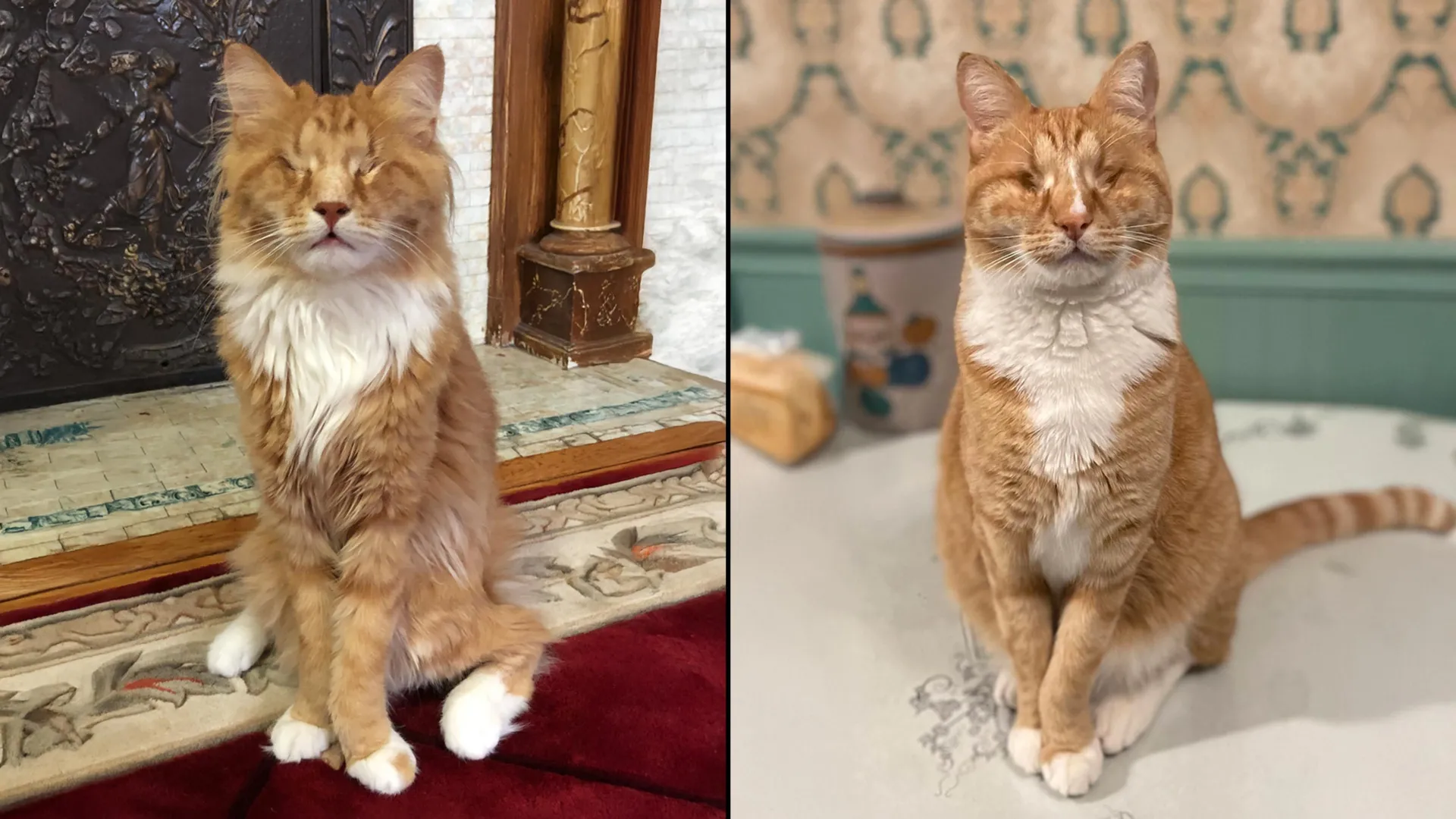
- Cornell University researchers published the first molecular characterization of Marfan syndrome in domestic cats in Scientific Reports, reporting two affected brothers named Gary and Shaggy with unusually long limbs, eye abnormalities, and enlarged aortas.
- The cats each carried two altered copies of the FBN1 gene, an autosomal recessive pattern, which researchers called exceptionally uncommon since humans typically develop Marfan syndrome with only one mutated copy.
- The brothers' specific mutation was hypomorphic — it disrupted normal gene processing but did not fully disable fibrillin-1 production, allowing enough functional protein for survival into adulthood.
- Marfan syndrome affects approximately 1 in 4,000 people and weakens connective tissues in the eyes, heart, and blood vessels, making the feline finding a cross-species confirmation of FBN1's role.
- Senior author Dr. Jacquelyn Evans, assistant professor in Cornell's College of Veterinary Medicine and at the Baker Institute for Animal Health, said the discovery provides a foundation for improved veterinary diagnostics and potential genetic tests.
- The journal article credits authors led by Shawna R. Cook and Bart J. G. Broeckx, drawing on veterinary specialists at multiple institutions to conduct the DNA analysis and medical examinations.
Why it matters: Veterinarians gain a diagnostic template for a previously unrecognized feline condition, and the homozygous hypomorphic FBN1 finding challenges the textbook expectation that two broken copies of this gene cause severe or fatal disease — these cats lived to adulthood precisely because their variant preserved partial function.
Ask SkimNews