Feds Say an NFT Founder Raised $10 Million Only to Blow It All on Gambling, Trading, and a DJ Hobby — SkimNews
Get the Finance newsletter
Daily finance — markets, central banks, M&A, the prints that move money. Free.
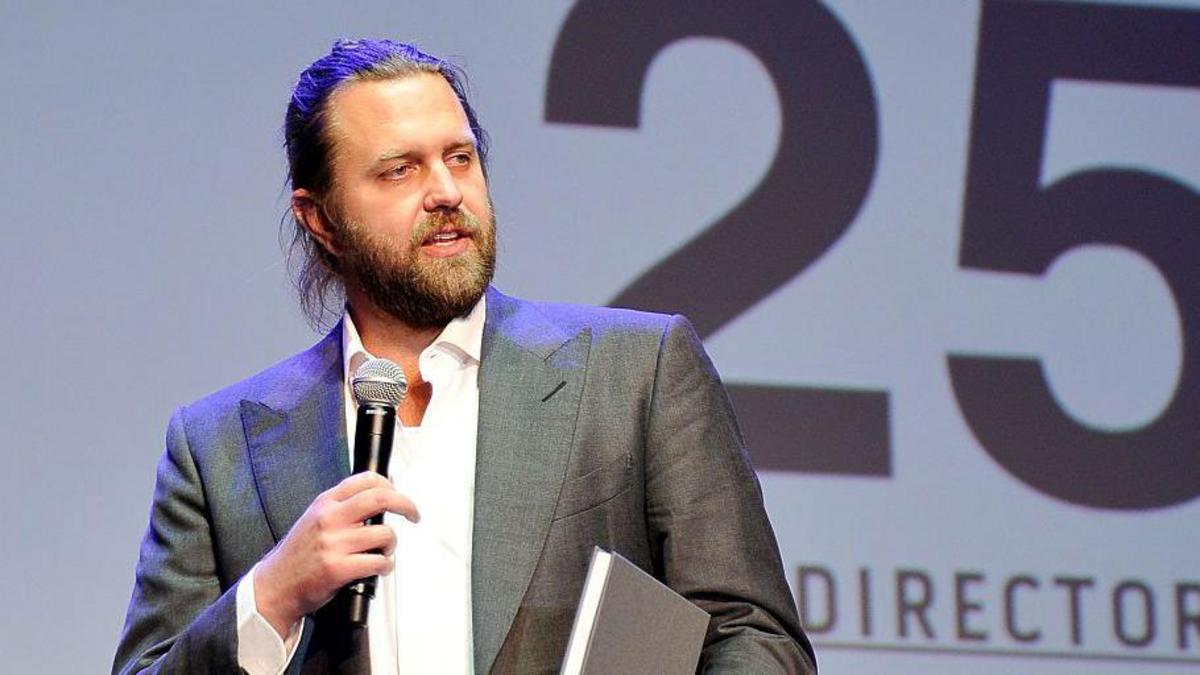
- DOJ charged Taj Tarsha, 34-year-old founder of NFT marketplace Few and Far, with securities fraud and wire fraud in the Southern District of New York
- Prosecutors allege Tarsha raised more than $10 million from at least 67 investors starting in 2022 via SAFT agreements covering rights to 95 million FAR tokens
- Tarsha allegedly diverted investor funds almost immediately to online gambling, speculative crypto purchases, nearly $1 million in bonuses, an inflated salary, a Miami condominium loan, interior design services, and "his DJ hobby"
- According to prosecutors, Tarsha concealed financial misconduct flagged by a 2023 audit, maintained a façade of development after laying off nearly all employees, and launched the FAR token in May 2024 "effectively worthless" where it "soon ceased trading"
- Tarsha faces up to 20 years in prison on each count if convicted
- Tarsha's attorneys deny the charges, arguing prosecutors are "rewriting a failed business venture as a criminal fraud case" and that "business failure is not a crime"
Why it matters: For 67 investors who handed over $10 million for 95 million FAR tokens that launched 'effectively worthless' in May 2024, this federal case offers one of the few recovery avenues available. It also tests a novel defense theory: that an NFT project's market collapse — not founder misconduct — explains the losses, which could set precedent for how prosecutors distinguish legitimate crypto startup failure from fraud.
Ask SkimNews