Google, AI, & Carbon Emissions — A Lesson In Situational Ethics
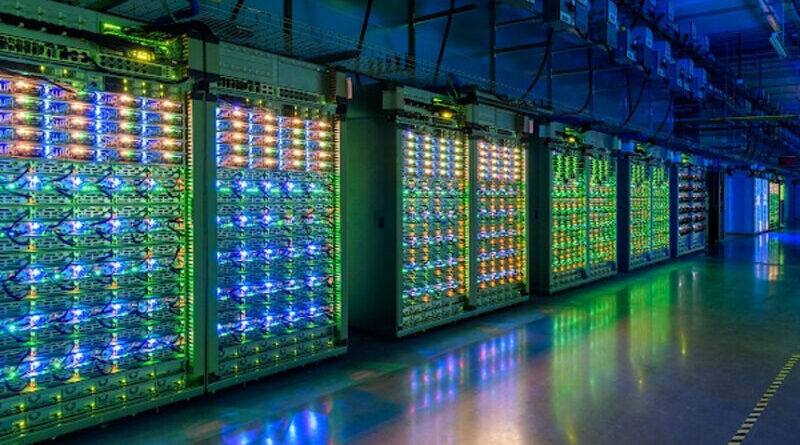
Why it matters: Google's new 933 MW methane-fired plant will pump 4.5 million tons of CO2 into the atmosphere annually.
- Google has invested billions in clean energy, signing gigawatts of new solar and wind PPAs and unique off-take agreements for enhanced geothermal, iron-air batteries, and advanced nuclear fission and fusion energy.
- Clearview's report highlights Google's plan to power a new data center in Armstrong County, Texas, with a 933 MW methane-fired thermal generating station, expected to emit 4.5 million tons of CO2 annually.
- Google is also finding innovative ways to connect data centers with co-located renewables, bringing nearly 2 GW of data center load online in 2027–2028 without entering the large load queue, thus avoiding increased utility bills for residential and commercial customers.
- The new methane plant in Texas, in partnership with Crusoe Energy, will emit CO2 equivalent to the entire city of San Francisco's annual emissions, raising questions about the environmental cost of AI.
- Google has signed agreements to build methane-fired thermal generating stations with carbon capture technology in Illinois and Nebraska, indicating a mixed strategy for its energy needs.
While Google has been a leader in clean energy investments, Clearview's report reveals a concerning shift: the tech giant is now partnering with Crusoe Energy to power a new Texas data center with a 933 MW methane-fired plant, projected to emit 4.5 million tons of CO2 annually, equivalent to San Francisco's yearly emissions. This move, driven by the demands of AI, contrasts sharply with Google's previous carbon-neutral pledges and extensive renewable energy initiatives, including restarting Iowa's only nuclear plant and investing in advanced geothermal and fusion.