Maternity Review Removed 'Normal Birth' Criticism, Inquiry Member Says — SkimNews
Get the Health newsletter
Daily health & science — research, biotech, public health, the studies worth knowing. Free.
- Dr Bill Kirkup told the BBC that criticism of the 'normal birth drive' was removed from the maternity safety review eight days before publication, and said he resigned because the change amounted to pushing a patient safety danger 'under the covers.'
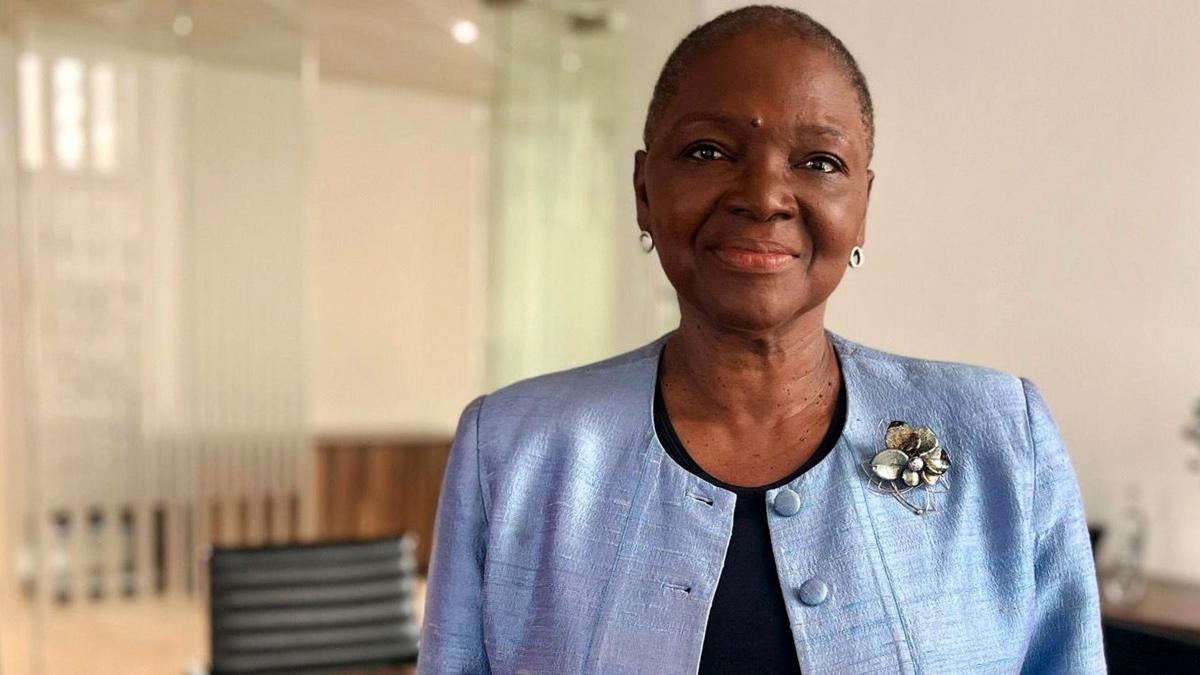
- Baroness Amos, who led the review, told the BBC that natural birth ideology had not emerged as a key theme, noting that England has one of the highest caesarean section rates in the world and that concerns about being directed toward normal birth 'did not come through strongly.'
- The Royal College of Midwives ran a campaign from 2007 to 2017 encouraging vaginal birth without medical interventions such as pharmaceutical pain relief or forceps, a practice that prior reviews linked to avoidable deaths and harm.
- Kirkup previously chaired the Morecambe Bay and East Kent maternity reviews, both of which found that pursuit of normal birth caused harm — the Morecambe Bay inquiry found midwives pursued normal birth 'at any cost.'
- NHS England had previously encouraged trusts to limit caesarean sections to around 20% of births, but dropped that measure in 2022.
- James Titcombe, who lost his son Joshua at Morecambe Bay NHS Trust due to poor maternity care, said he was 'utterly shocked' and felt 'profoundly betrayed' by the Amos review, demanding 'complete transparency'.
- Leah Hazard, an author and midwife, pushed back on the criticism, writing on social media that 'there is no evidence that normal birth ideology exists in any definable way or that it dominates maternity care in England.'
Why it matters: The allegation strikes at the independence of a review the government commissioned after years of maternity scandals, and its key recommendation — appointing a maternity commissioner — has already been accepted by ministers, meaning any credibility damage to the report's findings could delay or dilute reforms that bereaved families have spent years pushing for.
Ask SkimNews