UK Orders NHS Maternity Overhaul After Amos 'Shame' Report — SkimNews
Get the Health newsletter
Daily health & science — research, biotech, public health, the studies worth knowing. Free.
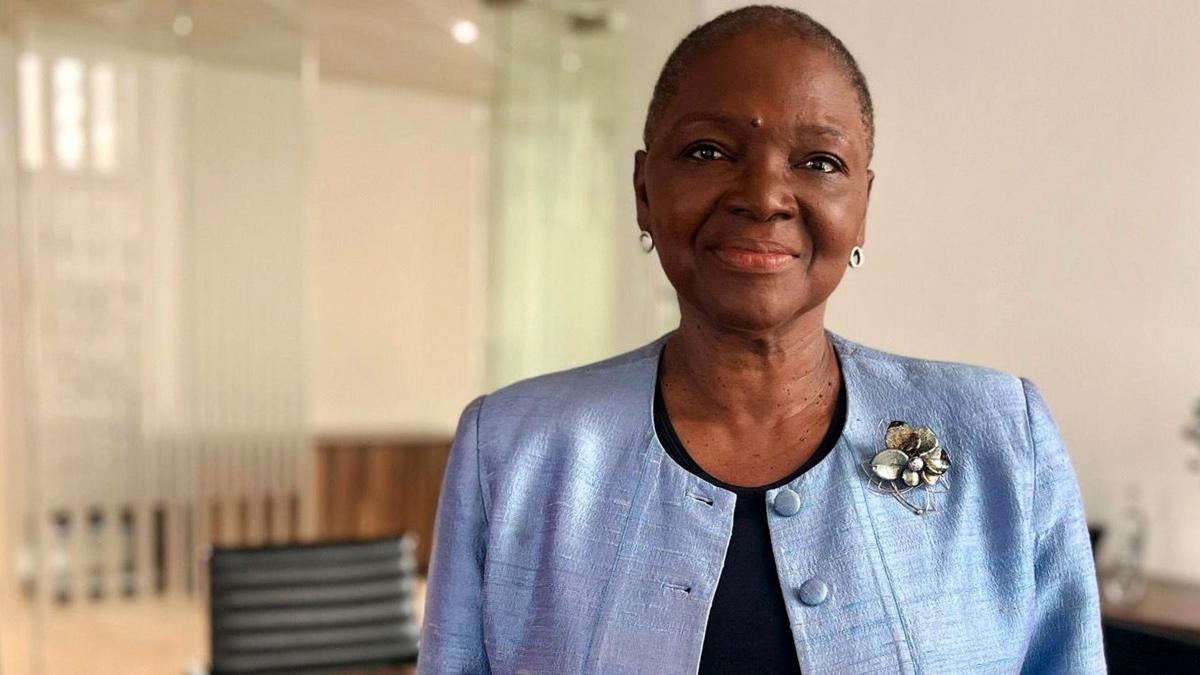
- Baroness Valerie Amos's rapid review, based on input from more than 450 families and visits to 12 NHS hospitals, found women were not "listened to, heard or believed," with racism and discrimination "embedded throughout the system" and the service "fragmented, overly complex and too slow to learn."
- Health Secretary James Murray announced new national standards for emergency maternity care to be published this week, alongside 1,000 temporary midwifery posts to be created this year and an extra £41m for upgrading "rundown" maternity and neonatal facilities.
- Bereaved parent Emily Barley, whose daughter Beatrice died at Barnsley hospital in 2022, called the report's proposed national maternity commissioner role "fundamentally dangerous," saying it would "concentrate all of the power" for turning around services in one person.
- Investigator Donna Ockenden, recently appointed to chair reviews in Leeds and Sussex, publicly declined the commissioner role, saying "one person can[not] take on the system" and that reading the report had taught her nothing new.
- Dr Bill Kirkup, who led previous inquiries into Morecambe Bay and East Kent maternity services, resigned as one of Amos's clinical advisers over her finding that a push for vaginal birth including denied caesareans was not prevalent nationally.
- The Birth Trauma Association called the report a "huge missed opportunity" for weighting staff voices over patient experiences, while the Maternity Safety Alliance said it "failed to address core issues" and renewed calls for a statutory public inquiry that Baroness Amos said she did not currently see a need for.
- Bereaved parent Rhiannon Davies, who campaigned for the Shrewsbury and Telford review after her daughter Kate's avoidable death in 2009, said the report was "particularly strong" in reframing listening to women as a patient safety issue and in prioritising maternity triage.
Why it matters: The government can point to 1,000 new midwife posts, £41m for facilities and imminent national emergency maternity standards, but bereaved families and the country's two most senior maternity investigators publicly rejected the report's centerpiece — a single maternity commissioner — as too weak. With Donna Ockenden already booked for separate Leeds and Sussex reviews and Dr Bill Kirkup resigning over methodology, the credibility gap between policymakers and affected families is widening, not narrowing.
Ask SkimNews