NHS Sonographer Vacancies Double to 24% Since 2019 — SkimNews
Get the Health newsletter
Daily health & science — research, biotech, public health, the studies worth knowing. Free.
- The Society of Radiographers census of more than 110 NHS ultrasound departments found a 24% vacancy rate for sonographer posts in England among 1,821 sonographers, double the 12% rate recorded in 2019, with shortages also reported in Wales, Scotland and Northern Ireland.
- Regional disparities are sharp: 38% of sonographer posts are vacant in the south east of England and 30% in the North West, while the North East and Yorkshire have the lowest rate at 11%.
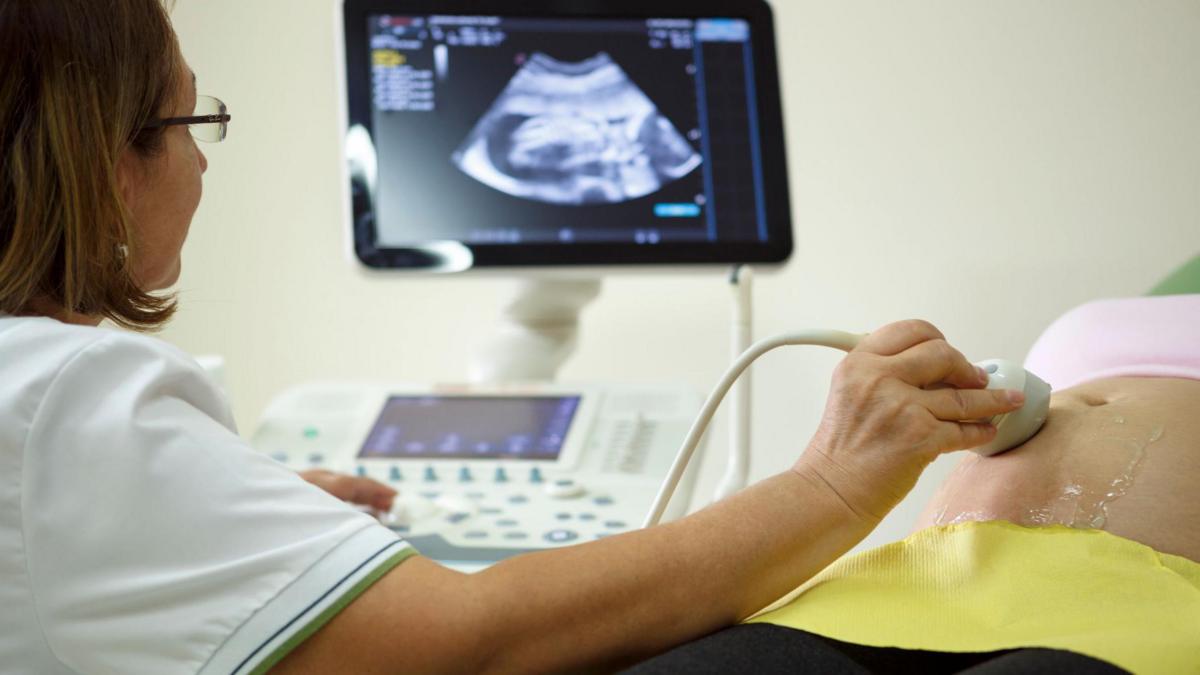
- Katie Thompson, president of the Society of Radiographers and a practising sonographer, said pregnant women presenting with concerns about their baby cannot usually be scanned the same day, causing anxiety, and that hospitals sometimes redeploy sonographers from other services to keep antenatal care running.
- Dr Jenny Barber, consultant obstetrician and vice president for clinical quality at the Royal College of Obstetricians and Gynaecologists, called the high vacancy rate "very concerning," cited increasingly complex pregnancies, and called for "meaningful investment in the maternity workforce."
- Sonographers warn the shortage extends beyond pregnancy care to cancer diagnosis and organ scanning, where delays could be "really dangerous for the patient."
- The Society of Radiographers attributes the shortfall to limited career progression, low pay and better private-sector opportunities, and notes that training new sonographers takes time while the NHS workforce plan remains unpublished.
- The Department of Health and Social Care said it recognises the pressure on diagnostic services and pointed to community diagnostic centres and expanded opening hours as its response.
Why it matters: With one in four sonographer posts unfilled in England and rates as high as 38% in the south east, the shortage is already delaying same-day emergency pregnancy scans and cancer diagnostics — concrete clinical consequences for patients. The bottleneck is structural rather than sudden: sonographers cite pay and career progression as reasons for leaving, training new staff takes years, and the NHS workforce plan has not yet been published despite the government buying more scanners.
Ask SkimNews