US Iran War Echoes Vietnam, Afghanistan Strategic Failures — SkimNews

Get the Geopolitics newsletter
Daily geopolitics — wars, elections, sanctions, the diplomatic moves that move markets. Free.
- Trump threatened on Tuesday that "a whole civilisation will die tonight" before announcing a two-week delay for US-Iran peace negotiations, with Israel "in the wings" during the stand-down.
- Iran controls the Strait of Hormuz, which channels 20 percent of global energy along with phosphates for fertilizer and helium for chip manufacturing — giving it strategic leverage over gasoline prices and global stock markets despite US military superiority.
- Marco Rubio initially admitted then reversed his statement that the US joined the Iran war because Israel was about to strike first, with the author calling preemption "a specious reason for declaring war."
- Steve Witkoff and Jared Kushner served as Trump's prime negotiators despite lacking technical knowledge on nuclear weapons, while the White House misjudged the timeline for Iran to field a nuclear weapon and advanced long-range missiles.
- The author argues the Iran conflict mirrors past US failures: Vietnam was lost despite military wins, Afghanistan saw 20 years of nation-building undone by Taliban resolve, and Iraq's 2003 invasion fueled two decades of regional instability.
- The war was opposed by nearly two-thirds of Americans, with high gasoline prices and inflation risk fueling social discontent ahead of US midterm elections, leaving Trump choosing between accepting Iran's terms or escalating into a "forever war."
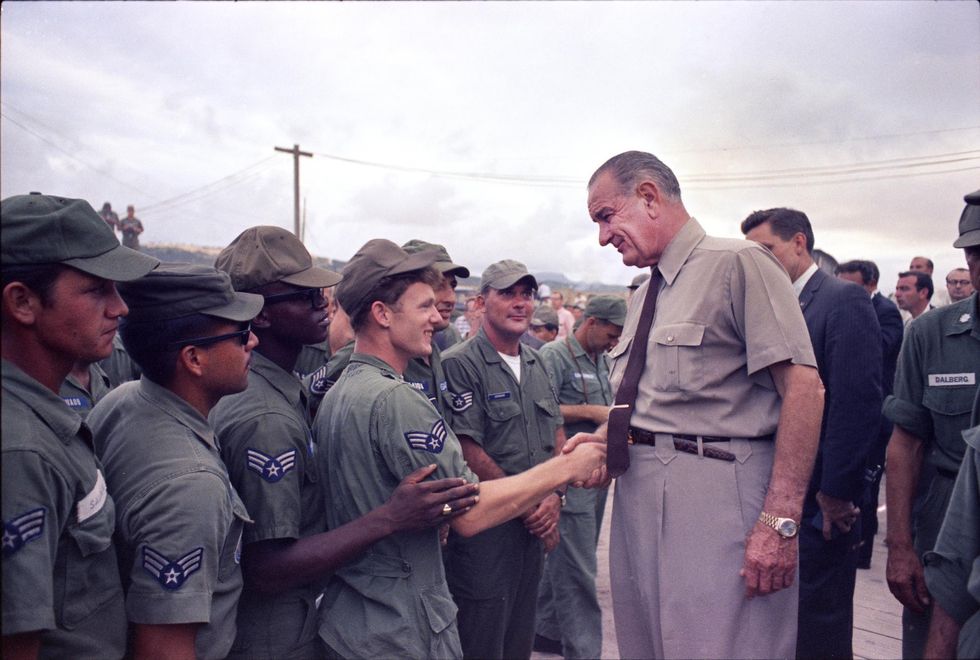
Why it matters: Trump now faces the same binary that trapped LBJ in Vietnam — accept Iran's conditions or escalate — ahead of midterm elections where two-thirds of Americans already oppose the war, with the Strait of Hormuz controlling 20 percent of global energy making prolonged conflict economically untenable for a war-weary US electorate.
Ask SkimNews